
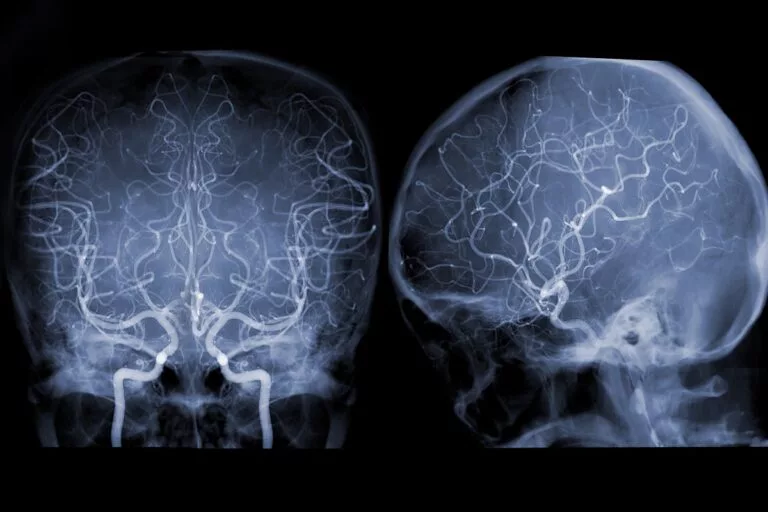
10 early signs of Alzheimer’s indicate the onset of a progressive neurological disorder that affects memory, reasoning, and behaviour. It’s the leading cause of dementia worldwide, accounting for 60–70% of cases. Recognising these early signs of Alzheimer’s can make a crucial difference in diagnosis, management, and quality of life.
Early detection allows individuals and families to plan, start treatments, and make lifestyle adjustments that may slow the disease’s progression. This guide breaks down each early sign in detail — supported by current data and practical insights.
Statistic | Data (2024) | Source |
Global dementia cases | 55 million+ | World Health Organization (WHO) |
Expected global cases by 2050 | ~139 million | Alzheimer’s Disease International |
People aged 65+ living with Alzheimer’s in the U.S. | 6.9 million | Alzheimer’s Association |
Percentage of dementia cases caused by Alzheimer’s | 60–70% | WHO, CDC |
These statistics show why awareness of the early warning signs of Alzheimer’s is more important than ever.
Below are the 10 early signs of Alzheimer’s, along with practical examples and how to differentiate them from normal aging.
Occasional forgetfulness is normal, but frequent memory loss — especially forgetting recently learned information — can signal early Alzheimer’s.
Normal Aging | Possible Alzheimer’s Sign |
Forgetting names but remembering later | Forgetting names or events entirely |
Misplacing objects occasionally | Repeatedly losing items and being unable to retrace steps |
Occasionally missing appointments | Relying heavily on reminders for daily tasks |
People may struggle to follow familiar recipes, pay bills, or manage time. They may also find it hard to concentrate or complete multi-step tasks that were once easy.
Tip: If simple daily tasks start to feel confusing or overwhelming, it’s a potential early sign of Alzheimer’s.
Whether it’s making coffee or driving to a familiar place, routine tasks can suddenly become confusing.
Example: A person may start a familiar household chore but forget halfway through what they were doing.
Losing track of dates, seasons, or the passage of time is a common early warning sign of Alzheimer’s disease. Individuals might forget where they are or how they got there.
Situation | Possible Interpretation |
Forgetting the date occasionally | Normal aging |
Believing it’s a different year or not recognizing current surroundings | Possible Alzheimer’s symptom |
Before prevention, it’s important to understand kidney stone reasons — why they form in the first place.
Common causes include:
Not drinking enough water (dehydration)
High salt, protein, or oxalate-rich diet
Obesity or lack of physical activity
Family history of kidney stone disease
Excessive intake of sugary or carbonated drinks
Simple lifestyle changes like staying hydrated and eating a balanced diet can significantly lower your risk of developing stones.
People may pause mid-sentence, struggle to find the right words, or call objects by incorrect names.
This may seem minor at first but is one of the most consistent early signs of Alzheimer’s disease.
Placing objects in unusual places (like car keys in the refrigerator) and being unable to find them later is another red flag. Over time, the person may accuse others of stealing.
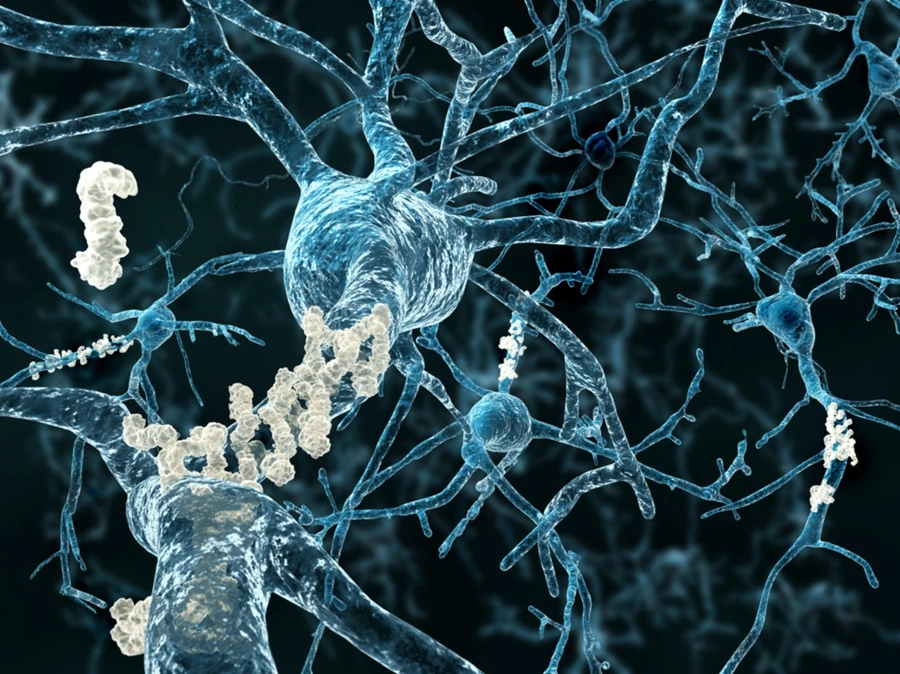
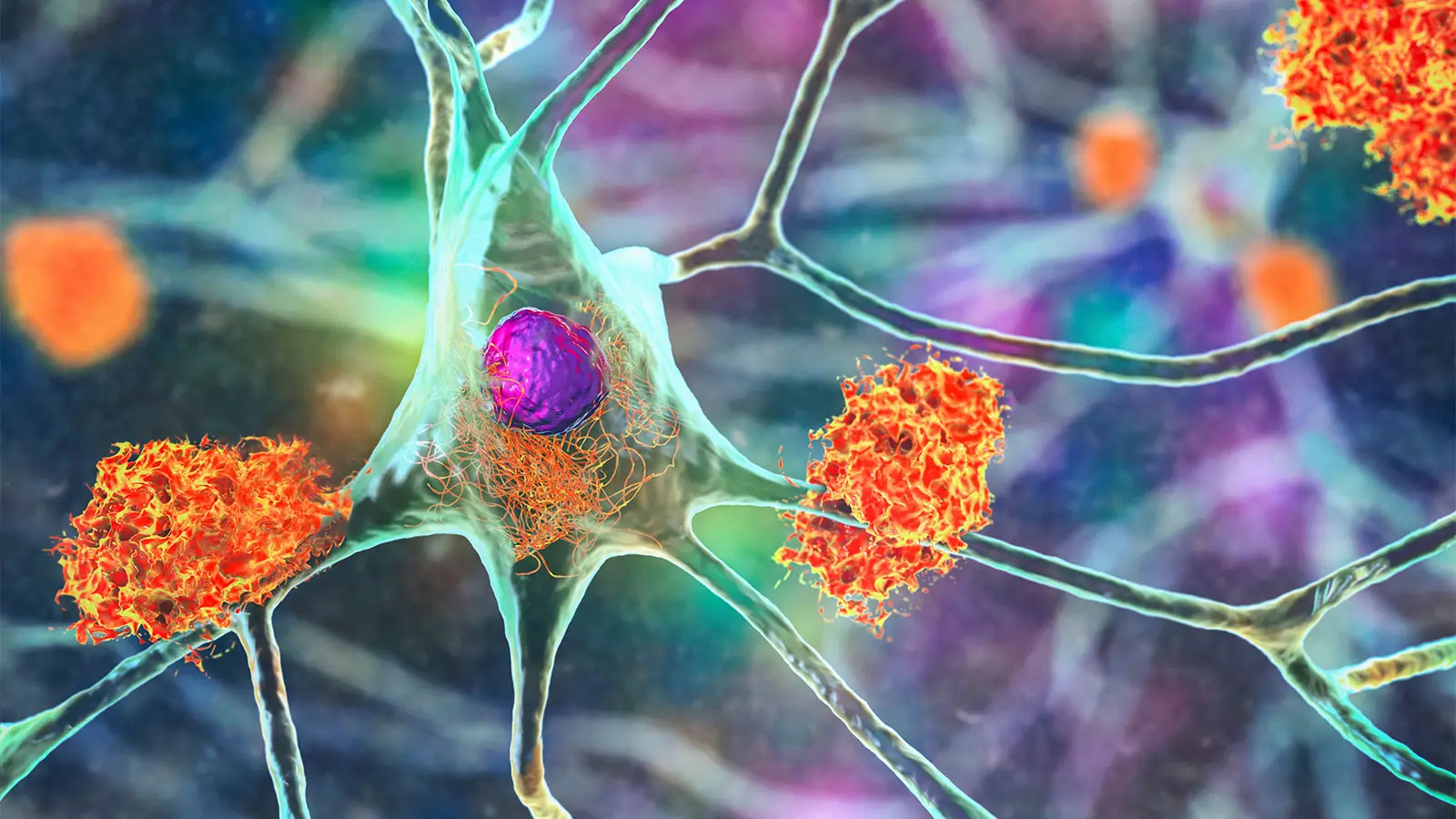
Why this happens: Alzheimer’s affects the hippocampus — the brain region responsible for forming new memories and spatial orientation.
Alzheimer’s can cause lapses in decision-making. People may:
Poor judgment often goes unnoticed until serious mistakes occur.
When cognitive decline begins, individuals might withdraw from social interactions, hobbies, or professional commitments due to embarrassment or confusion.
Normal Aging | Possible Alzheimer’s Sign |
Occasionally skipping social events | Consistently avoiding social interactions |
Taking breaks from hobbies | Losing interest in activities once enjoyed |
You can significantly reduce your chances of developing stones by following these tips:
Drink at least 2.5–3 liters of water daily.
Limit intake of salt and animal protein.
Avoid excessive coffee, tea, and sugary drinks.
Add fruits and vegetables rich in potassium and fiber.
Maintain a healthy body weight and stay physically active.
At Numed Hospital, our dietitians work alongside urologists to design customized kidney-friendly meal plans for patients prone to stone formation.
Mood swings, depression, irritability, or suspicion can appear even before memory loss becomes obvious. These emotional changes are among the subtler early signs of Alzheimer’s.
Example: A calm person becoming easily upset or anxious in new environments.
Stage | Common Symptoms |
Early (Mild Cognitive Impairment) | Memory lapses, language issues, confusion about time/place |
Middle (Moderate Alzheimer’s) | Increased forgetfulness, personality changes, wandering |
Late (Severe Alzheimer’s) | Loss of ability to communicate, dependency on caregivers, severe memory loss |
Recognizing the 10 early signs of Alzheimer’s helps identify the disease in its first stage, when interventions are most effective.
If you or a loved one experiences multiple symptoms from this list, it’s time to consult a healthcare professional.
A doctor may recommend:
Category | Examples | Impact |
Age | Over 65 years | Risk doubles every 5 years after 65 |
Genetics | Family history, APOE ε4 gene | 3x to 10x higher risk |
Lifestyle | Smoking, obesity, inactivity | Increases likelihood significantly |
Medical conditions | Hypertension, diabetes, heart disease | Strongly linked to cognitive decline |
Education | Low formal education | Linked to higher dementia risk |
Note: Research suggests that up to 40% of dementia cases could be delayed or prevented by addressing modifiable risk factors such as diet, physical activity, and cardiovascular health.
While there’s no cure yet for Alzheimer’s, early diagnosis enables:
Caring for someone with Alzheimer’s is emotionally and physically demanding. Family members often notice symptoms first, such as confusion or personality changes.
Joining a support group or consulting a neurologist can provide education, coping strategies, and emotional relief.
Preventive Strategy | Scientific Support |
Physical activity | Reduces dementia risk by ~30% |
Cognitive exercises | Improves memory and attention span |
Balanced diet (Mediterranean) | Associated with lower Alzheimer’s rates |
Social engagement | Helps maintain brain function |
Managing chronic conditions | Lowers long-term risk of cognitive decline |
Alzheimer’s disease doesn’t appear overnight — it develops slowly, often starting with subtle memory and behavioral changes. Recognizing the 10 early signs of Alzheimer’s empowers families to seek medical evaluation and start planning early.
From memory loss to mood shifts, every symptom deserves attention. With timely care, emotional support, and a proactive lifestyle, individuals can maintain independence and dignity longer — even in the face of Alzheimer’s.
