
A well-structured care plan for hypertension is the most effective way to control high blood pressure and prevent long-term health risks. In India, where changing lifestyles, stress, and dietary habits are increasing cases of hypertension, it has become essential for individuals to follow a practical plan for monitoring and managing this condition. Hypertension is often called the “silent killer” because it usually shows no symptoms until it causes serious damage. The right care plan ensures that patients not only keep their blood pressure in check but also protect their heart, kidneys, and overall health.

Before creating a care plan for hypertension, it is important to know what the condition means.
Normal blood pressure: Below 120/80 mmHg
Elevated blood pressure: 120–129/<80 mmHg
Hypertension Stage 1: 130–139/80–89 mmHg
Hypertension Stage 2: ≥140/90 mmHg
Uncontrolled hypertension puts extra strain on the heart and blood vessels, increasing the chances of stroke, heart disease, kidney failure, and other complications.
Unlike other conditions that may be cured with a short treatment, hypertension requires long-term management. A personalized care plan for hypertension helps individuals:
Keep blood pressure within a safe range
Reduce risks of stroke, heart attack, and kidney damage
Maintain a structured, heart-healthy lifestyle
Stay consistent with medication and lifestyle goals
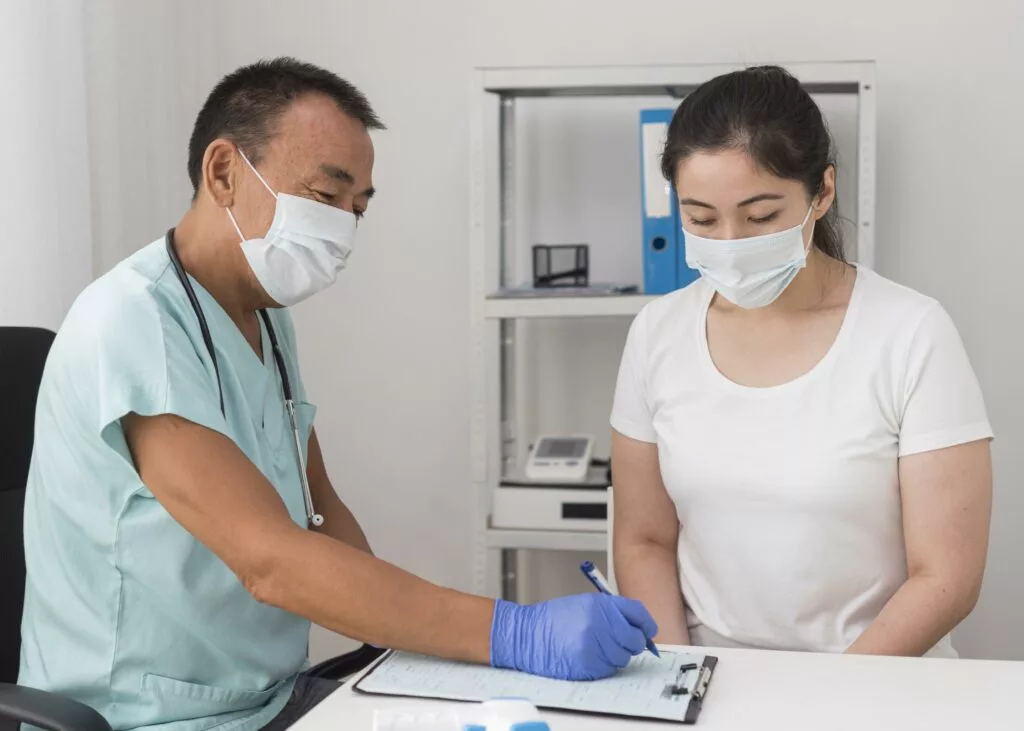
Every effective care plan for hypertension begins with proper diagnosis and regular medical monitoring.
Initial assessment: Blood pressure monitoring, blood tests, ECG, and sometimes echocardiography.
Identifying causes: Conditions like kidney disease or hormonal imbalance can contribute.
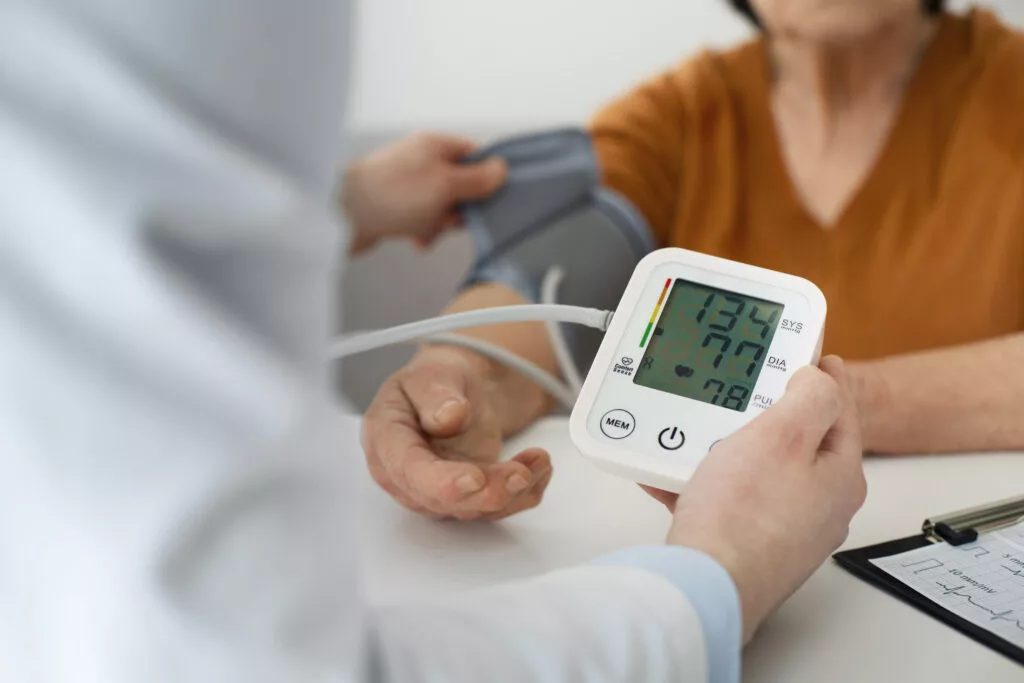
Self-monitoring at home: Using a reliable blood pressure monitor ensures patients stay aware of their condition.
In India, many people wait until symptoms get worse. But a strong care plan emphasizes early and consistent check-ups.
Lifestyle changes form the foundation of any care plan for hypertension. These small but steady steps can make a huge difference.
Cut back on salt: Pickles, papads, fried snacks, and packaged foods raise sodium levels.
Adopt the DASH diet: More fruits, vegetables, whole grains, and low-fat dairy.
Choose fresh over processed: Home-cooked meals are always better than fast food.
Stay hydrated: Water and fresh juices are better than sugary or caffeinated drinks.
Even a small reduction in weight can lower blood pressure significantly.
Walking, yoga, cycling, or 30 minutes of exercise daily can lower hypertension risk.
Meditation, pranayama, or spending time with family helps lower stress, which is an important part of the care plan.
Sometimes lifestyle changes alone are not enough. Doctors may prescribe medicines like:
Diuretics
ACE inhibitors
Beta-blockers
Calcium channel blockers
A care plan for hypertension always includes strict adherence to prescribed medicines. Skipping doses or stopping treatment suddenly can be dangerous.
Tobacco and alcohol both raise blood pressure and damage blood vessels. A good care plan for hypertension encourages patients to completely avoid or strictly limit these substances.
In India, family plays a key role in daily meals and lifestyle choices. A successful care plan for hypertension involves educating both the patient and family members about:
The importance of regular follow-ups
How to check blood pressure at home
Early warning signs like chest pain, breathlessness, or dizziness
India’s diverse culture and food habits influence hypertension management. A practical care plan respects traditions but makes healthier modifications:
Food habits: Pickles, fried snacks, sweets, and heavy curries are common across the country. Replacing them with steamed, grilled, or baked alternatives helps.
Festivals: Diwali, Eid, Onam, Durga Puja, and weddings often involve indulgent meals. The care plan encourages portion control and balance instead of strict restrictions.
Sedentary lifestyle: Long office hours or business routines reduce physical activity. Short walks and yoga breaks during the day can help.
Family meals: Cooking with less oil and salt benefits the whole household, not just the patient.
Hypertension care is lifelong. A strong care plan for hypertension evolves with the patient’s age, lifestyle, and health condition.
Doctor visits every 3–6 months
Annual heart, kidney, and cholesterol checks
Adjusting medicines if lifestyle changes bring improvement

Uncontrolled hypertension can lead to:
Stroke
Heart attack
Kidney disease
Eye problems
By following a care plan for hypertension, patients can significantly reduce these risks and live a healthier life.
Here’s a simple routine many people can follow:
Morning: 20–30 minutes of yoga or walking + light, low-salt breakfast (oats, poha, fruit).
Midday: Balanced lunch with whole grains, dal, sabzi, and curd.
Afternoon: 10 minutes of meditation or deep breathing.
Evening: Light exercise or a walk + green tea instead of fried snacks.
Dinner: Early, light dinner like soup, salad, or khichdi.
Before bed: Reading or meditation instead of mobile scrolling.
While lifestyle changes at home are vital, hospitals play a big role in a comprehensive care plan for hypertension. They provide:
Expert cardiologists and specialists
Advanced diagnostic facilities
Personalized diet and exercise guidance
Support in managing hypertension-related complications
For patients in Greater Noida, Noida, and nearby areas, NUmed Super Speciality Hospital offers complete support for hypertension management. Our experienced cardiologists, dietitians, and lifestyle experts work together to design a personalized care plan for hypertension that covers everything from diagnosis to daily lifestyle counseling.
At NUmed, we believe hypertension management is not only about controlling numbers but also about empowering patients to live healthier, happier lives.
