
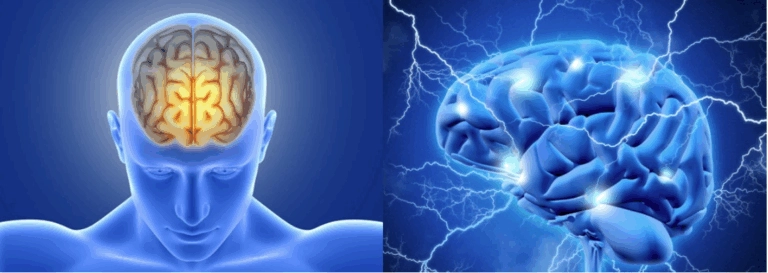
Epilepsy is one of the most common neurological conditions worldwide, affecting people of all ages. With advanced medical facilities and expert neurologists, epilepsy treatment in Delhi has become more accessible, accurate, and result-oriented. This blog explains the causes, symptoms, diagnosis, and modern treatment options so patients and families can understand the condition better and seek timely care.
Epilepsy is a neurological disorder where the brain experiences sudden bursts of abnormal electrical activity. These episodes are called seizures, and they can range from mild to severe.
Data Point | Statistics |
Global epilepsy cases | Around 50 million |
Epilepsy cases in India | Around 10 million |
Patients who become seizure-free with medications | 70% |
Epilepsy with unknown cause | 40–50% |
Children affected | 1 in every 4 epilepsy patients |
There are multiple reasons why epilepsy may develop. Sometimes, the cause can be identified clearly; other times, it may remain unknown.
Some types of epilepsy are hereditary. If the condition runs in the family, the chances may increase, although many people with genetic changes do not develop seizures.
This group includes conditions such as:
These conditions can disrupt normal brain functions and trigger seizures.
Children with autism, ADHD, or other developmental conditions may have a higher chance of experiencing seizures.
In nearly half of all cases, the exact cause remains unclear. But even with an unknown cause, treatment can still be highly effective.
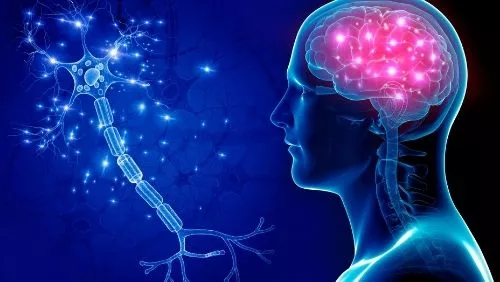
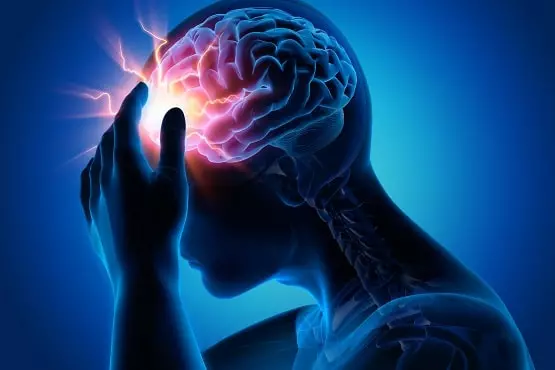
Symptoms vary depending on the part of the brain involved. Common signs include:
If someone experiences repeated seizures, they should immediately consult a neurologist for epilepsy treatment in Delhi.
Seizure Type | Description | Duration |
Generalized Seizures | Affect both sides of the brain | Few seconds to minutes |
Focal Seizures | Begin in one part of the brain | 10 seconds–2 minutes |
Absence Seizures | Brief staring episodes | 5–20 seconds |
Tonic-Clonic Seizures | Intense shaking and loss of consciousness | 1–3 minutes |
Understanding the seizure type helps doctors plan personalized treatment.
Accurate diagnosis is the first step toward effective management. Hospitals offering the best epilepsy treatment in Delhi follow a structured approach:
Diagnostic Tests Used
Test | Purpose |
EEG (Electroencephalogram) | Detects abnormal brain activity |
MRI Brain | Shows structural brain problems |
CT Scan | Helps identify injuries, bleeding, tumors |
Blood Tests | Detect infections or metabolic issues |
These tests help determine the cause, the seizure type, and the best treatment approach.
Nearly 70% of patients respond well to medications when taken regularly. Your neurologist adjusts the dosage based on age, weight, and seizure type.
When medications don’t control seizures, surgery may be recommended. Delhi has advanced neurosurgical units that offer:
These procedures can significantly reduce or completely stop seizures.
A small device is implanted under the skin to reduce seizure frequency.
A medically supervised high-fat, low-carb diet used especially in children who don’t respond to medications.
These habits support long-term seizure control.
Delhi is considered one of the best cities for epilepsy care due to:
Advantages | Details |
Expert Neurologists & Neurosurgeons | Specialists trained in advanced epilepsy management |
Advanced Neurodiagnostic Facilities | EEG, Video EEG Monitoring, 3T MRI |
Integrated Care Approach | Neurology + Neurosurgery + Psychology |
Access to Modern Treatments | VNS, epilepsy surgery, advanced medications |
This is why many patients search for the best hospital for epilepsy treatment in Delhi and trust the city’s healthcare expertise.
Visit the nearest hospital if:
Early treatment can save lives.
With modern advancements, epilepsy is completely manageable. Patients receiving epilepsy treatment in Delhi can lead normal, active, and productive lives when they follow care plans regularly.
Key tips include:
Seek medical help if you experience:
Early evaluation improves long-term outcomes and reduces complications.
Epilepsy is a treatable neurological condition, and early diagnosis plays a major role in long-term control. With expert neurologists, modern technologies, and comprehensive care, epilepsy treatment in Delhi offers hope and confidence to patients and families. Choosing the right medical center ensures better recovery, improved quality of life, and long-term seizure control.
