
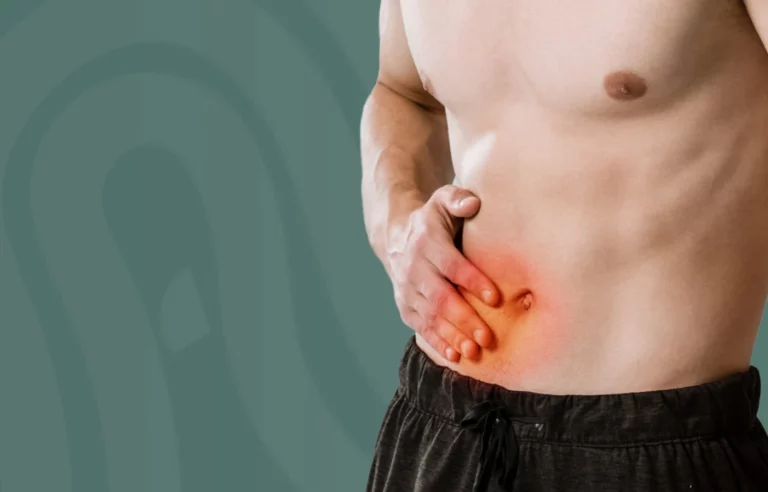
A hernia is a common medical condition in which an internal organ pushes through a weak spot in the muscles or abdominal wall. Hernias can appear as a bulge in the abdomen, groin, or upper thigh and often become more noticeable while coughing, bending, standing, or lifting heavy objects. Early diagnosis and proper treatment are essential to avoid complications like strangulation or obstruction.
If you’re searching for what a hernia is, types of hernia, hernia symptoms, causes, high-risk factors, or advanced laparoscopic hernia treatment, this detailed guide covers everything in simple, easy-to-understand language.
Numed Hospital — a leading hospital in Noida Extension — offers advanced laparoscopic hernia repair performed by expert surgeons using minimally invasive techniques.
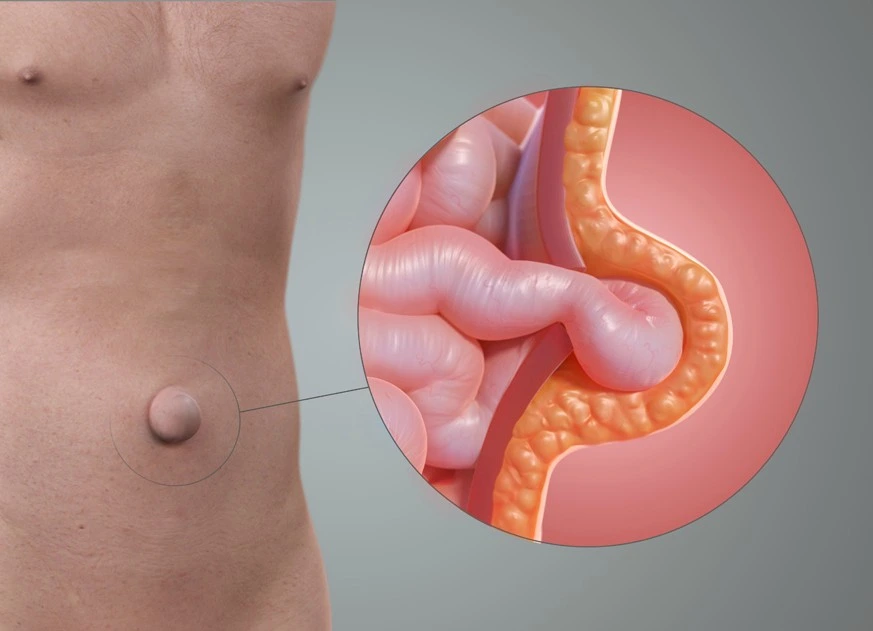
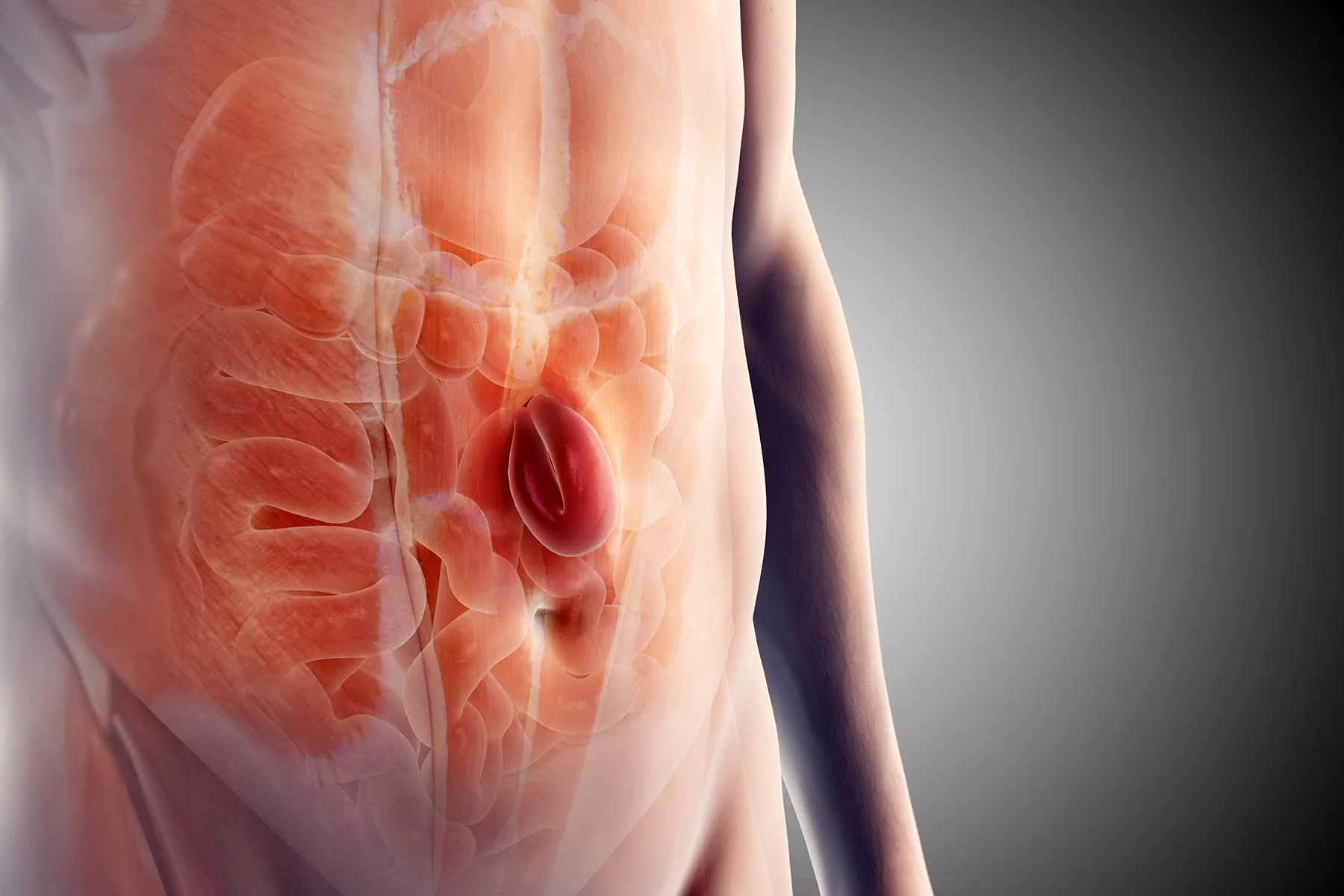
A hernia develops when a portion of tissue or intestine pushes through a weakened area of the surrounding muscle. The bulge may be soft or firm and can increase in size over time. Hernias do not heal on their own and usually require medical attention to avoid complications.
The most commonly affected areas are:
Abdomen
Groin (inguinal region)
Upper thigh
Belly button
Diaphragm
Hernias can cause discomfort, pain, and digestive issues depending on the severity. In some cases, a hernia may be painless initially but become painful as it enlarges or gets trapped.
Hernias can occur due to multiple factors. Understanding the root causes helps in prevention and early detection.
Heavy lifting: Repeated lifting of heavy weights puts pressure on the abdominal wall.
Chronic coughing: Persistent cough from smoking, asthma, or lung issues can weaken muscles.
Straining during bowel movements: Severe constipation increases abdominal pressure.
Pregnancy: Increased abdominal pressure causes muscle stretching.
Obesity: Excess body weight weakens muscles over time.
Previous surgeries: Incision sites may become weak and result in incisional hernia.
Aging: Natural weakening of abdominal muscles.
Genetic muscle weakness: Some people are born with weaker abdominal walls.
Anyone can develop a hernia, but people who smoke, lift heavy weights, or have chronic coughs are at higher risk.
Recognizing hernia symptoms early helps prevent complications such as obstruction or strangulation.
A visible bulge in the abdomen, groin, or navel
Pain or discomfort while lifting, bending, or coughing
Heaviness or pressure in the abdominal area
Burning or aching sensation at the bulge
Difficulty standing for long periods
Swelling or pain that worsens during physical activity
In severe cases: nausea, vomiting, or inability to pass gas (emergency signs)
If any of these hernia symptoms appear, it is important to seek medical attention immediately.
Hernias are classified based on their location. Understanding types helps determine the correct treatment plan.
The most common type, occurring when intestine pushes into the groin area. More common in men.
Occurs near the belly button and is common in infants, pregnant women, and overweight individuals.
Happens at the site of previous surgical cuts where the muscle wall is weak.
The upper part of the stomach pushes through the diaphragm into the chest. Causes heartburn and acidity.
Appears in the upper thigh, more common in women, and may lead to serious complications if untreated.The upper part of the stomach pushes through the diaphragm into the chest. Causes heartburn and acidity.
Occurs between the rib cage and belly button, formed due to weakness in the upper abdominal muscles.
Symptoms vary depending on the part of the brain involved. Common signs include:
If someone experiences repeated seizures, they should immediately consult a neurologist for epilepsy treatment in Delhi.
Hernias do not go away on their own. Treatment depends on the type, severity, and progression.
Non-surgical methods may help temporarily but do not cure hernias.
Common approaches:
Lifestyle modifications
Avoiding heavy lifting
Weight management
Hernia belts (temporary relief, NOT a cure)
These are not permanent solutions.
Surgical repair is the only complete and permanent treatment for hernia.
Open Hernia Repair: Traditional surgery with a larger incision.
Laparoscopic Hernia Repair: Minimally invasive, faster recovery, less pain.
Laparoscopic repair is now the gold standard for most hernia types.
Laparoscopic surgery uses small incisions and a camera-guided technique to repair the hernia. It is considered the safest and most advanced treatment for hernia.
Minimal pain
Faster recovery
Small or no visible scars
Reduced hospital stay
Minimal blood loss
Lower risk of recurrence
Quick return to normal activities
At Numed Hospital — a trusted hospital in Noida Extension, advanced laparoscopic hernia repair is performed by experienced surgeons using modern, high-precision equipment.
Recovery time depends on the type of surgery and the patient’s overall health.
1–3 Days: Pain and swelling reduce
1 Week: Walking comfortably, minimal discomfort
2 Weeks: Can return to light work and activities
4–6 Weeks: Normal routine, exercise gradually resumes
6–12 Weeks: Complete internal healing
Laparoscopic surgery speeds up recovery compared to open surgery.
Although some hernias cannot be prevented, lifestyle changes can significantly reduce the risk.
Maintain a healthy weight
Avoid heavy lifting or use proper lifting techniques
Treat chronic coughs early
Include core strengthening exercises
Eat fiber-rich foods to avoid constipation
Quit smoking
Manage diabetes and obesity
Stay active to maintain muscle strength
Strong abdominal muscles can help prevent hernias from developing or worsening.
Some hernias can become life-threatening if they become “strangulated” or “obstructed.”
Seek immediate medical help if you notice:
Severe abdominal pain
Bulge that becomes hard or cannot be pushed back
Nausea or vomiting
Fever with swelling
Inability to pass stool or gas
Sudden increase in swelling or redness
These signs indicate an emergency and require urgent surgical care.
