
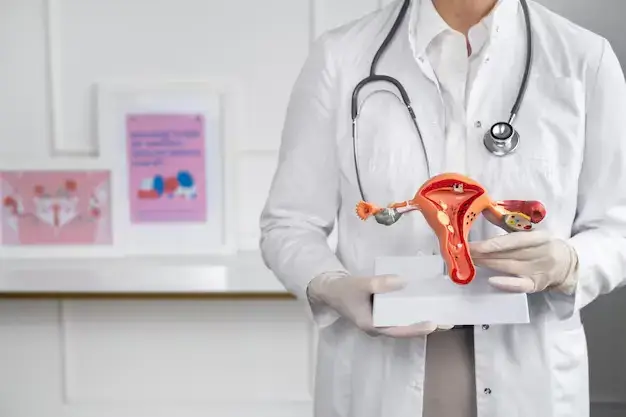
Gynecological disorders are conditions that affect the female reproductive system and can impact menstrual health, fertility, and overall well-being. These disorders are common and can occur at any stage of a woman’s life.
Many women experience various gynecological problems, such as irregular periods, pelvic pain, or abnormal discharge, but often delay medical care. Early awareness & treatment of gynecological disorders help prevent long-term complications.
Understanding common gynecological disorders allows women to recognize symptoms early and seek timely treatment for better reproductive health outcomes.
Gynecological disorders refer to medical conditions that affect the female reproductive system, including the uterus, ovaries, fallopian tubes, cervix, and vagina. These conditions can impact menstrual health, fertility, pregnancy, and overall quality of life.
Gynecological disorders can occur at any age—from adolescence to menopause—and may range from mild hormonal imbalances to serious conditions requiring medical or surgical treatment. Early diagnosis and timely care are important for effectively managing gynecological problems.
Gynecological problems are common and often underreported due to hesitation or lack of awareness. Many women experience symptoms but delay consultation, which can worsen the condition.
Gynecological disorders often present with noticeable symptoms. These symptoms should not be ignored, especially if they are constant.
Constant symptoms usually indicate an underlying gynecological condition that needs evaluation.
Gynecological disorders develop due to a combination of medical, hormonal, and lifestyle factors. Identifying the cause helps guide accurate gynecological treatment.
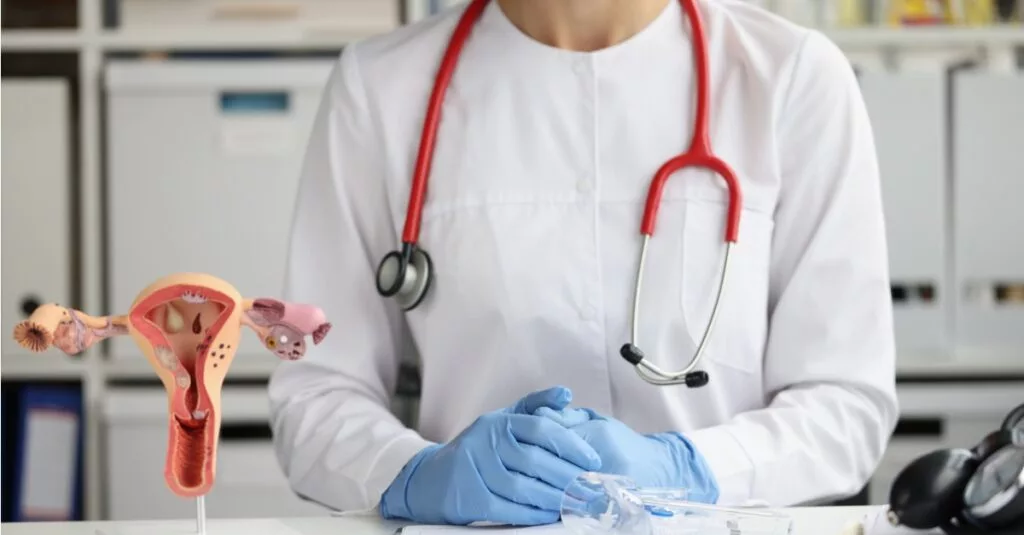
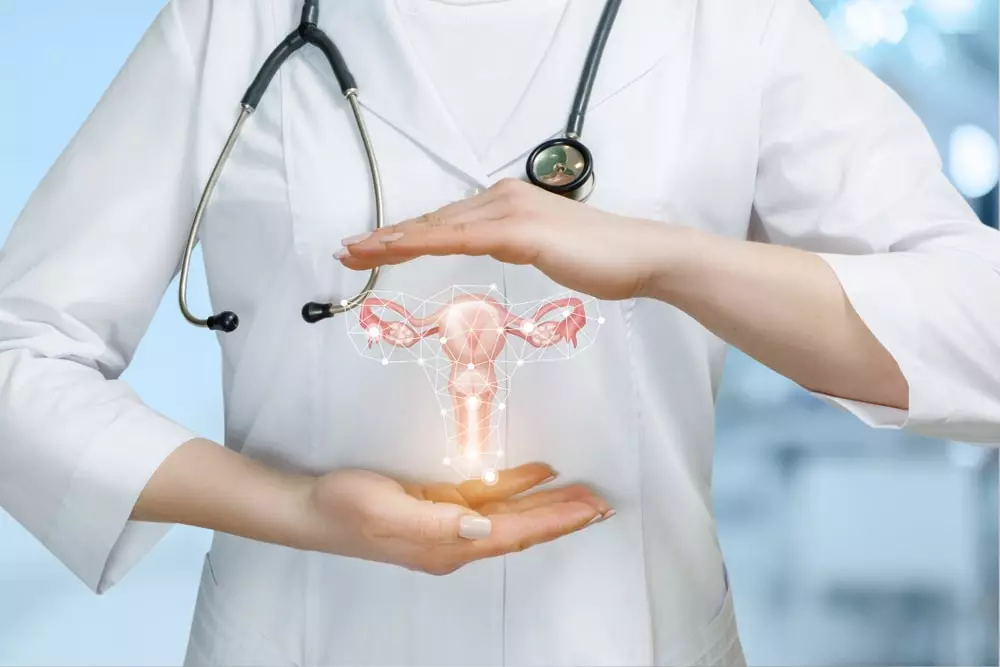
Below are the 10 most common gynecological disorders, explained individually with symptoms and causes.
PCOS is a hormonal gynecological disorder that affects women of reproductive age and is a leading cause of menstrual irregularities and infertility.
Common symptoms:
Common causes:
Endometriosis is a chronic gynecological disorder where tissue similar to the uterine lining grows outside the uterus, leading to pain and fertility issues.
Common symptoms:
Common causes:
Uterine fibroids are non-cancerous growths in the uterus and are among the most common gynecological problems in women.
Common symptoms:
Common causes:
PID is a serious gynecological disorder caused by infection of the reproductive organs, often requiring immediate medical attention.
Common symptoms:
Common causes:
Vaginal infections are frequent gynecological disorders that affect vaginal health and comfort, often causing irritation, abnormal discharge, and disruption of normal vaginal balance if left untreated.
Common symptoms:
Common causes:
Menstrual disorders include irregular, heavy, or painful periods and are common gynecological problems across age groups.
Common symptoms:
Common causes:
Ovarian cysts are fluid-filled sacs on the ovaries and are often detected during routine gynecological evaluation.
Common symptoms:
Common causes:
Cervical dysplasia involves abnormal changes in cervical cells and is considered a precancerous gynecological condition.
Common symptoms:
Common causes:
Several gynecological disorders directly affect fertility and reproductive function, making early diagnosis and proper gynecological treatment important for women planning pregnancy.
Common symptoms:
Common causes:
Hormonal changes during menopause can lead to multiple gynecological problems affecting comfort and quality of life.
Common symptoms:
Common causes:
Treatment for gynecological disorders depends on the specific condition, symptom severity, age, and reproductive goals of the patient. Early and personalized gynecological treatment helps control symptoms and prevent complications.
Medications and hormone therapy to regulate periods, control pain, and correct hormonal imbalances
Lifestyle and dietary changes to manage conditions like PCOS and menstrual disorders
Physiotherapy for pelvic floor strengthening and chronic pelvic pain relief
Minimally invasive gynecological surgery for fibroids, endometriosis, or ovarian cysts
Fertility treatments when gynecological disorders affect conception
Timely treatment improves quality of life and long-term reproductive health.
Gynecological disorders can affect women at different life stages due to hormonal, biological, and lifestyle changes.
Regular gynecological checkups help in early detection and better management.
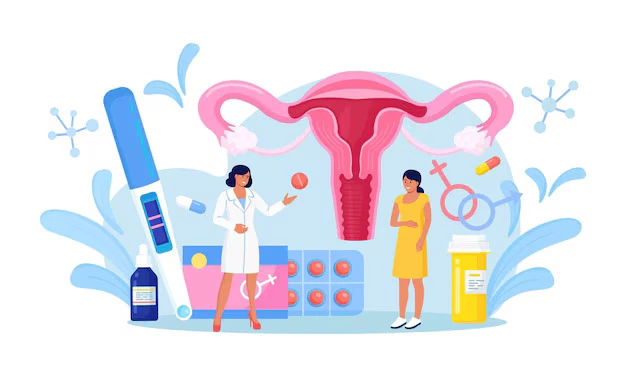
Many gynecological disorders show early warning symptoms that should not be ignored. Consulting a gynecologist at the right time prevents progression and complications.
Constant pelvic or lower abdominal pain
Irregular, heavy, or painful menstrual bleeding
Unusual vaginal discharge, odor, or itching
Difficulty conceiving or repeated pregnancy loss
Menstrual problems affecting daily routine or work
Early consultation ensures accurate diagnosis, timely treatment, and better outcomes.
Gynecological disorders are common but highly manageable when diagnosed early. Understanding symptoms, causes, and treatment options empowers women to take control of their reproductive health.
Regular checkups, awareness, and timely medical care can prevent complications and ensure long-term gynecological well-being.
