Caring for You, Every Step of the Way - Helpline: (+91) 8882036990, 0120-3633454
Bone Tuberculosis

Bone Tuberculosis: Causes, Symptoms, Diagnosis & Treatment

Home / Blog / Bone Tuberculosis: Causes, Symptoms, Diagnosis & Treatment

Bone tuberculosis is a serious form of extrapulmonary tuberculosis that affects the bones and joints rather than the lungs. Although tuberculosis is commonly associated with pulmonary infection, skeletal involvement can lead to long-term complications if not diagnosed and treated early. In India and other developing countries, the burden of bone tuberculosis remains clinically significant, particularly in individuals with weakened immunity.

This comprehensive guide explains the causes, risk factors, clinical presentation, diagnostic pathway, and modern bone tuberculosis treatment options in a structured, evidence-based manner.

What Is Bone Tuberculosis?

Bone tuberculosis is a chronic bacterial infection caused by Mycobacterium tuberculosis that spreads from the lungs or other primary sites to the skeletal system through the bloodstream. It most commonly affects the spine, hips, knees, and long bones.

The condition is also known as:

  • Skeletal tuberculosis

  • Osteoarticular tuberculosis

  • Tubercular osteomyelitis

When the spine is involved, it is referred to as Spinal tuberculosis, historically called Pott’s disease. When joints are affected, it is termed Joint tuberculosis.

Causes of Bone Tuberculosis

Bone tuberculosis occurs when tuberculosis bacteria disseminate hematogenously from a primary focus, usually pulmonary TB. In some cases, the primary infection may be latent or asymptomatic.

Main Causes

  • Spread from active pulmonary TB

  • Reactivation of latent TB infection

  • Weakened immune system

  • Poor nutrition

  • Chronic illnesses such as diabetes

  • HIV infection

Individuals living in TB-endemic regions are at higher risk.

Types of Bone Tuberculosis

1. Spinal Tuberculosis

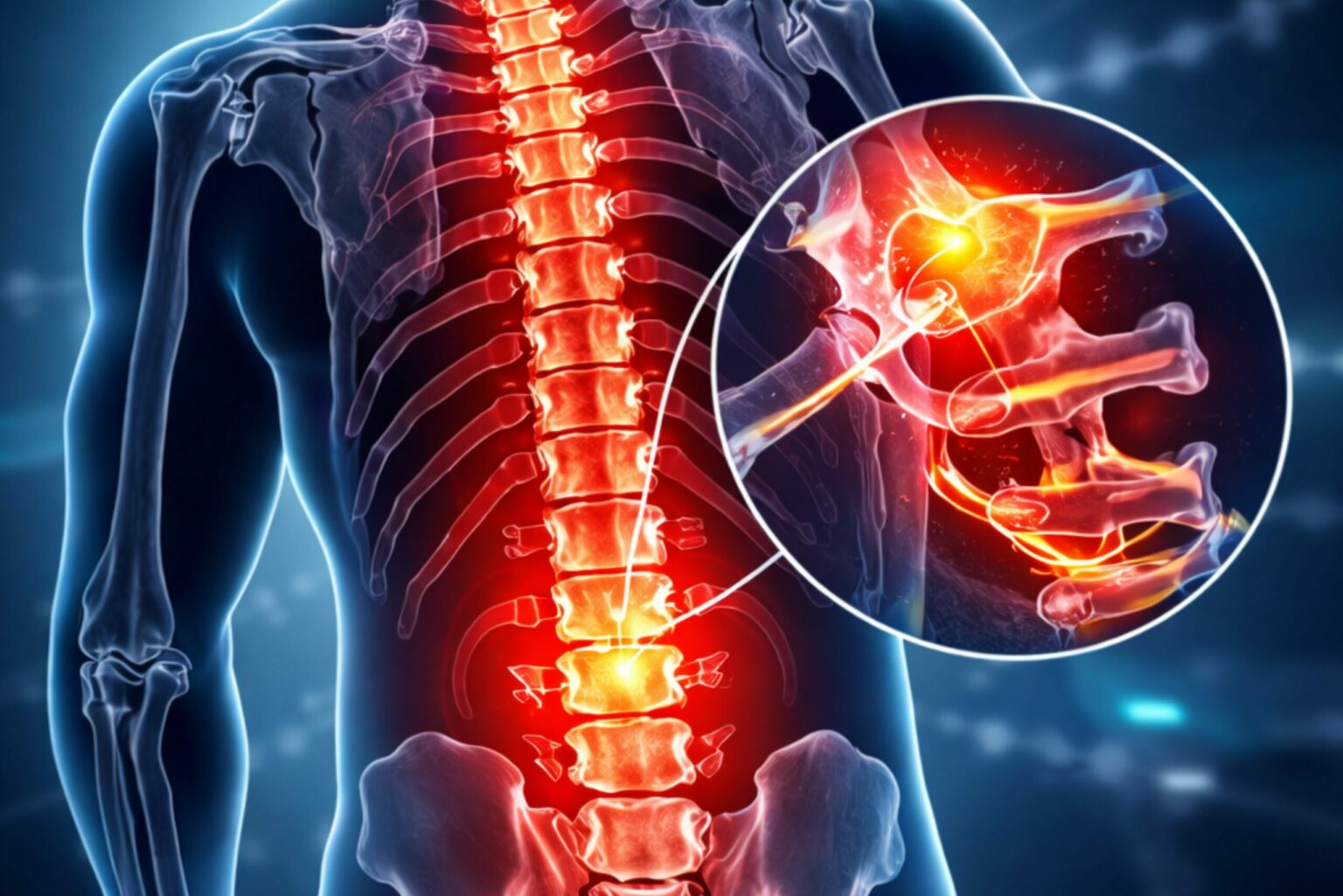
Spinal tuberculosis accounts for nearly 50% of skeletal TB cases. It commonly affects the thoracic and lumbar vertebrae.

Clinical features include:      

  • Persistent back pain

  • Spinal stiffness

  • Vertebral collapse

  • Kyphotic deformity

  • Neurological deficits in advanced cases

If untreated, spinal tuberculosis may cause spinal cord compression.

2. Joint Tuberculosis

Joint tuberculosis typically affects weight-bearing joints such as:

  • Hip joint

  • Knee joint

  • Ankle

  • Shoulder

This form presents as chronic monoarthritis with gradual joint destruction.

Bone Tuberculosis Symptoms and Treatment Overview

Understanding bone tuberculosis symptoms and treatment options early can significantly improve prognosis.

Common Symptoms

Bone tuberculosis symptoms develop gradually and may include:

  • Persistent bone pain

  • Swelling around joints

  • Reduced range of motion

  • Low-grade fever

  • Night sweats

  • Weight loss

  • Fatigue

In spinal tuberculosis:

  • Back pain worsening over time

  • Numbness or weakness in limbs

  • Difficulty walking

Because symptoms are slow and nonspecific, diagnosis is often delayed.

Avoid activities that worsen the stiffness. Giving your muscles time to recover is essential.

Is Bone Tuberculosis Communicable?

A common concern among patients is: is bone tuberculosis communicable?

Bone tuberculosis itself is not directly contagious through casual contact. However, if the individual also has active pulmonary TB, the lung infection can be transmissible via respiratory droplets.

Therefore:

  • Skeletal TB alone is generally not communicable.

  • Active lung TB with bone involvement may pose transmission risk.

Early diagnosis and complete treatment significantly reduce infectivity.

Diagnosis of Bone Tuberculosis

Timely diagnosis is critical to prevent irreversible bone damage.

Clinical Examination

Orthopedic evaluation focuses on:

  • Local tenderness

  • Swelling

  • Restricted joint movement

Neurological assessment in spinal cases
Timely diagnosis is critical to prevent irreversible bone damage.

Imaging Studies

  1. X-ray – shows bone erosion and joint narrowing


  2. MRI – gold standard for spinal tuberculosis


  3. CT scan – evaluates bone destruction


  4. Ultrasound – detects abscess formation


Laboratory Tests

  • ESR and CRP levels


  • Tuberculin skin test (Mantoux)


  • Interferon-gamma release assays


  • GeneXpert test


  • Biopsy for definitive diagnosis


Biopsy remains the confirmatory test for bone tuberculosis.

Bone Tuberculosis Treatment

Bone tuberculosis treatment primarily involves long-term anti-tubercular therapy (ATT). Early initiation improves outcomes and reduces complications.

1. Medical Management

Standard bone tuberculosis treatment includes:

  • Isoniazid

  • Rifampicin

  • Pyrazinamide

  • Ethambutol

Treatment duration:

  • Typically 9 to 12 months

  • In spinal tuberculosis, may extend up to 18 months

Compliance is essential to prevent drug resistance.

2. Surgical Management

Surgery is indicated when:

  • Neurological deficits are present

  • Severe spinal deformity

  • Large abscess formation

  • Joint destruction

Procedures may include:

  • Abscess drainage

  • Debridement

  • Spinal stabilization

  • Joint reconstruction

Not all cases require surgery; most respond to medical therapy alone.

Recovery Timeline

Recovery from bone tuberculosis depends on:

  • Severity of infection

  • Location (spine vs joint)

  • Timely initiation of treatment

Patient immunity

Typical Recovery Phases:

  1. Pain reduction: 4–6 weeks

  2. Infection control: 3–6 months

  3. Complete healing: 9–12 months

Physiotherapy plays a vital role in restoring joint mobility.

Complications of Untreated Bone Tuberculosis

Delayed or inadequate treatment may result in:

  • Permanent joint stiffness

  • Limb shortening

  • Chronic sinus formation

  • Vertebral collapse

  • Paralysis in spinal tuberculosis

  • Severe deformity

Early bone tuberculosis treatment prevents these outcomes.

Prevention of Bone Tuberculosis

Preventive strategies include:

  • Early treatment of pulmonary TB

  • BCG vaccination

  • Improved nutrition

  • Screening in high-risk populations

  • Regular medical follow-up

Key Differences – Bone TB vs Arthritis

Feature

Bone Tuberculosis

Arthritis

Cause

Bacterial infection

Autoimmune or degenerative

Fever

Common

Rare

Weight loss

Present

Absent

Duration

Gradual

Variable

Treatment

Anti-TB drugs

Anti-inflammatory drugs

Proper diagnosis prevents mismanagement.

Preventive strategies include:

  • Early treatment of pulmonary TB
  • BCG vaccination
  • Improved nutrition
  • Screening in high-risk populations
  • Regular medical follow-up

Frequently Asked Questions (FAQs)

What is bone tuberculosis?

Bone tuberculosis is a bacterial infection of the bones or joints caused by Mycobacterium tuberculosis spreading from another body site.

What are the early bone tuberculosis symptoms?

Early symptoms include persistent bone pain, swelling, mild fever, night sweats, and reduced joint movement.

Is bone tuberculosis communicable?

Bone tuberculosis alone is usually not communicable. However, if associated with active pulmonary TB, transmission is possible.

How long does bone tuberculosis treatment take?

Treatment generally lasts 9–12 months and may extend longer in spinal tuberculosis cases.

Can bone tuberculosis be cured completely?

Yes, with proper medical therapy and adherence to anti-tubercular drugs, bone tuberculosis can be cured completely.

Is surgery necessary for bone tuberculosis?

Most cases respond to medication. Surgery is reserved for complications like deformity or nerve compression.

Conclusion

Bone tuberculosis is a chronic but treatable infectious condition affecting the skeletal system. Early recognition of bone tuberculosis symptoms and treatment initiation are crucial to prevent long-term disability. With modern diagnostic tools and prolonged anti-tubercular therapy, outcomes are significantly improved. Awareness, timely intervention, and adherence to treatment protocols remain the cornerstone of effective bone tuberculosis management.