
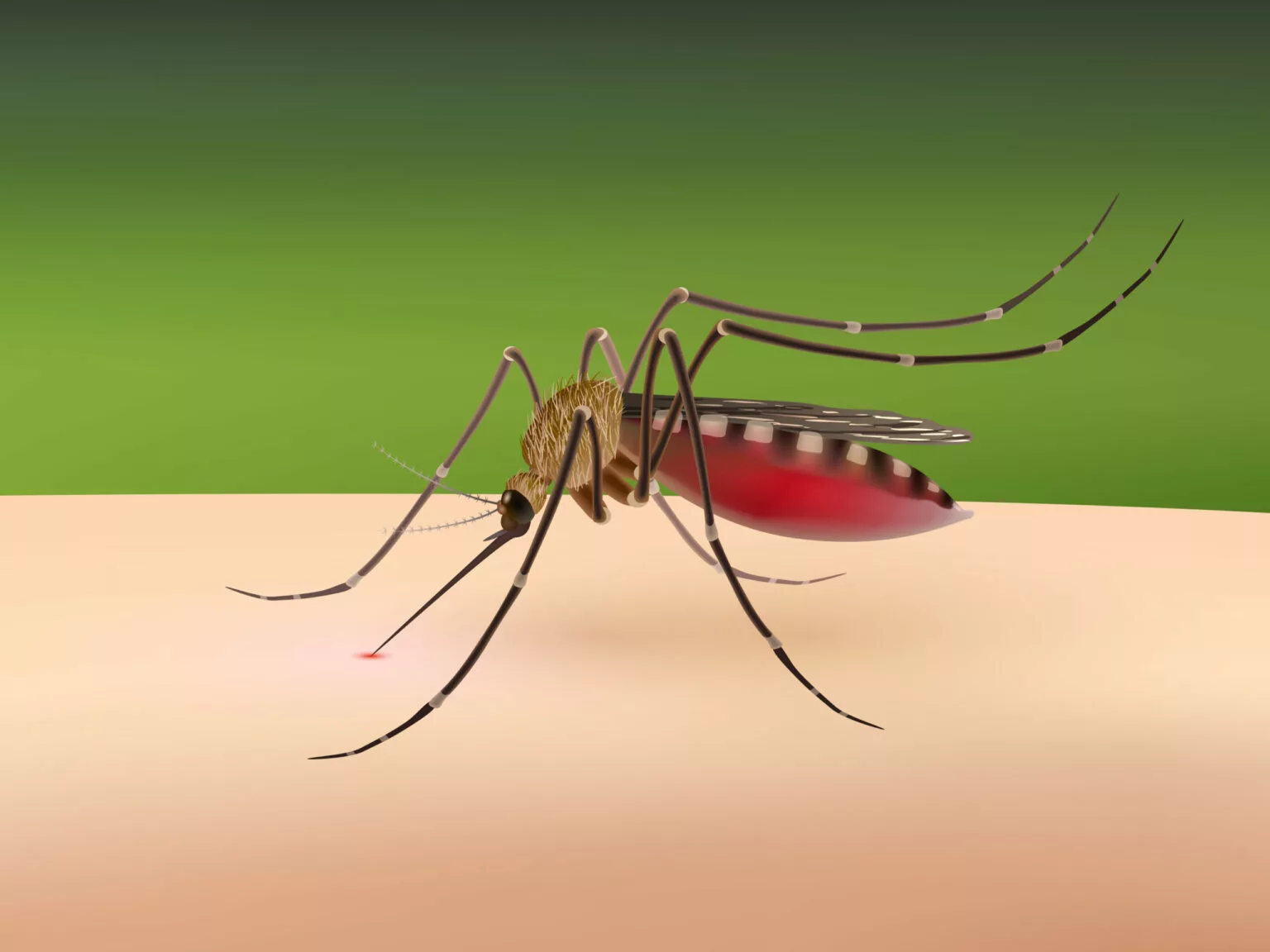
Dengue Fever is a common viral illness in tropical countries like India, transmitted by the Aedes mosquito. One of the most important clinical markers in dengue is the platelet count, which helps doctors assess disease severity and guide treatment.
In this detailed guide, we will explain dengue fever platelet count, its symptoms, causes, risks, and the best recovery strategies in simple, patient-friendly language.
The term Dengue Fever platelet count refers to the number of platelets (thrombocytes) present in the blood during dengue infection. Platelets are essential for blood clotting and preventing excessive bleeding. In dengue, this count often drops due to viral effects on bone marrow and immune response. Monitoring platelet levels helps doctors assess disease severity and decide appropriate treatment to prevent complications.
A disc bulge occurs when the intervertebral disc extends beyond its normal boundary. This can put pressure on nearby nerves, leading to pain and other symptoms.
A rapid fall in platelet count is a warning sign and requires close monitoring.
Understanding dengue fever causes helps explain why platelet levels decrease.
The dengue virus suppresses bone marrow function, reducing platelet production.
The body’s immune system mistakenly destroys platelets while fighting the infection.
Platelets are consumed rapidly due to inflammation and infection.
In severe cases like Dengue Hemorrhagic Fever, plasma leakage leads to platelet loss and bleeding risk.
Low platelet count in Dengue Fever often indicates worsening symptoms, increasing the risk of bleeding, complications, making timely monitoring and medical care essential for patient safety.
Common Symptoms
Skin-Related Symptoms
Bleeding Symptoms (Low Platelets)
Severe Symptoms
These symptoms in Dengue Fever—such as bleeding, severe pain, vomiting, and weakness—indicate a serious condition and require immediate medical attention to prevent complications and ensure timely treatment.
Certain individuals are more at risk of severe platelet drop:
Understanding the types of Dengue Fever—mild, severe, and Dengue Hemorrhagic Fever—helps assess risk levels, guide treatment decisions, and identify patients who may develop serious complications early
Proper nutrition plays a crucial role in recovering from Dengue Fever and improving platelet count naturally.
A balanced diet helps strengthen the immune system and supports faster healing. Patients should focus on easily digestible and nutrient-rich foods.
Recommended foods:
Foods to avoid:
Staying hydrated and maintaining a proper diet can significantly improve recovery speed.
Seek immediate medical attention if:
Early treatment of Dengue Fever helps prevent serious complications like bleeding and organ damage, ensures faster recovery, and improves overall patient outcomes with proper medical care and monitoring.
Dengue fever platelet count is a critical indicator of disease severity. While a drop in platelets is common, timely diagnosis, proper monitoring, and supportive care can ensure safe recovery.
Understanding symptoms, risks, and treatment options empowers patients to act early and avoid complications. Always consult a healthcare professional for accurate diagnosis and treatment.
