
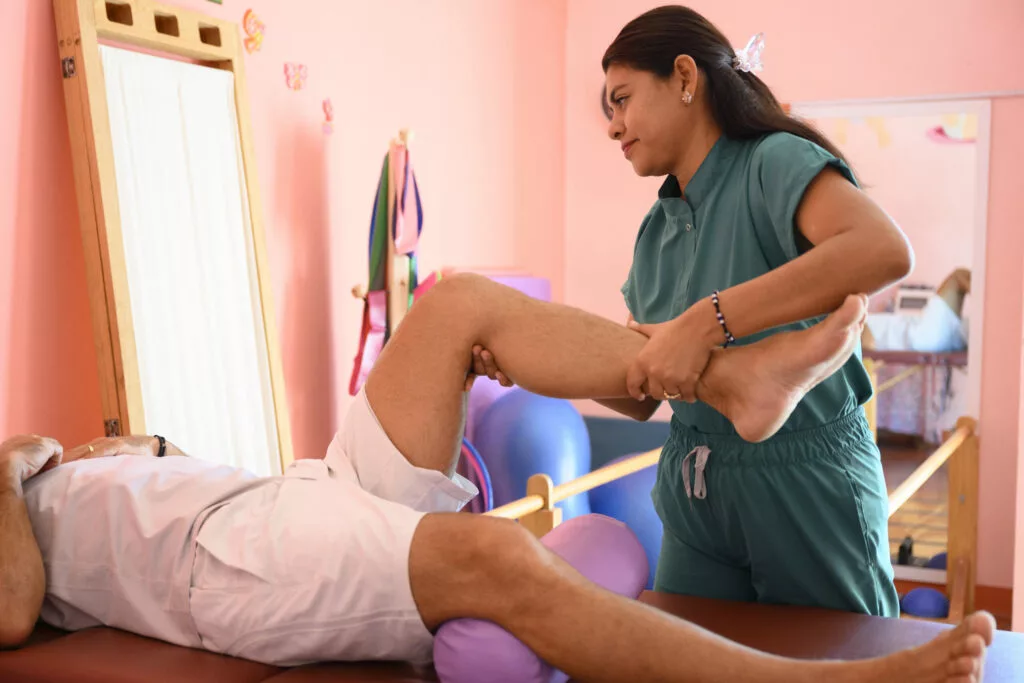
IFT physiotherapy is one of the most effective pain management treatments used in modern physiotherapy. It helps reduce pain, improve blood circulation, relax muscles, and support faster healing. Many patients suffering from joint pain, back pain, neck stiffness, sports injuries, arthritis, and muscle strain benefit from this therapy.
Today, physiotherapy centers widely use IFT physiotherapy because it is safe, non-surgical, and provides fast pain relief. This therapy uses low-frequency electrical currents that pass through the skin to stimulate nerves and tissues. The treatment is painless and usually gives a soothing sensation to the patient.
People recovering from orthopedic injuries or surgeries often receive ift treatment in physiotherapy as part of their rehabilitation program. It is commonly recommended for knee pain, frozen shoulder, sciatica, cervical pain, ligament injuries, and muscle spasms.
Many patients ask, what is ift in physiotherapy and how does it work?
IFT stands for Interferential Therapy. It is an electrotherapy treatment used by physiotherapists to reduce pain and improve healing. During treatment, mild electrical currents are applied to the painful body area using electrode pads.
The electrical impulses stimulate nerves and soft tissues, helping reduce inflammation and muscle tightness. Unlike strong electric shocks, IFT therapy provides gentle stimulation that most patients find comfortable.
IFT physiotherapy is commonly used with exercise therapy, stretching, manual therapy, and rehabilitation exercises for better recovery.
The therapy uses two medium-frequency electrical currents that cross each other inside the body tissues. This creates a low-frequency stimulation effect deep inside muscles and joints.
The electrical currents help:
This is why ift physiotherapy benefits patients with both acute and chronic pain conditions.
There are many ift physiotherapy benefits for orthopedic and neurological conditions.
IFT therapy helps reduce joint and muscle pain naturally without heavy medication.
The electrical stimulation relaxes tight muscles and improves comfort.
Better circulation helps injured tissues heal faster.
Athletes and injury patients recover more quickly with physiotherapy support.
IFT helps decrease swelling and tissue irritation around joints and muscles.
Patients with stiffness or frozen joints regain flexibility gradually.
Many patients avoid surgery through proper physiotherapy rehabilitation.
There are many important ift physiotherapy uses in orthopedic and rehabilitation care.
1. Back Pain Treatment
IFT therapy is commonly used for lower back pain and muscle stiffness.
2. Neck Pain
Patients with cervical pain and posture-related neck strain often benefit from this therapy.
3. Frozen Shoulder
IFT therapy reduces stiffness and improves shoulder movement.
4. Knee Pain
It helps patients with arthritis, ligament injury, and sports-related knee problems.
5. Sciatica
Electrical stimulation reduces nerve pain and muscle tightness.
6. Sports Injuries
Athletes use IFT therapy for muscle strain, ligament injuries, and faster recovery.
7. Arthritis Pain
IFT helps reduce joint inflammation and pain in arthritis patients.
8. Muscle Strain
Muscle injuries heal faster with physiotherapy treatment.
Modern physiotherapy often combines different therapies with IFT for better outcomes.
What is UST IFT Physiotherapy?
UST IFT physiotherapy combines ultrasound therapy with interferential therapy.
Ultrasound therapy helps improve deep tissue healing, while IFT reduces pain and inflammation. Together, they provide effective rehabilitation for muscle and ligament injuries.
What is SWD IFT Physiotherapy?
SWD IFT physiotherapy combines Short Wave Diathermy with interferential therapy.
SWD generates deep heat inside tissues, helping improve blood circulation and reduce stiffness.
This combination is useful for:
Orthopedic Conditions
Sports Injuries
Neurological Conditions
Post-Surgical Rehabilitation
IFT therapy supports recovery after orthopedic surgeries and joint replacement procedures.
How IFT Treatment is Performed
The procedure is simple and painless.
Step 1: Physical Assessment
The physiotherapist examines pain, swelling, posture, and mobility.
Step 2: Electrode Placement
Small electrode pads are attached to the skin around the painful area.
Step 3: Electrical Current Application
Controlled electrical currents pass through the tissues.
Step 4: Monitoring
The therapist adjusts intensity according to patient comfort.
Step 5: Exercise Therapy
Stretching and strengthening exercises may be added after therapy.
Each session usually lasts between 15 and 30 minutes.
Although generally safe, there can be mild ift physiotherapy side effects in some cases.
Common Side Effects Include:
These symptoms usually disappear quickly after treatment.
Who Should Avoid IFT Therapy?
People with the following conditions should consult a doctor first:
Professional supervision helps reduce risks during therapy.
The ift physiotherapy cost depends on:
In India, a single session may cost between ₹300 and ₹1500, depending on the treatment center.
Advanced rehabilitation packages may include exercises and multiple therapy sessions.
Recovery time depends on the condition severity and patient consistency.
Tips for Faster Recovery
Combining physiotherapy with healthy lifestyle habits improves long-term recovery.
Helpful Prevention Tips
These habits help reduce the risk of joint and muscle injuries.
Professional physiotherapy treatment is important for proper diagnosis and recovery.
If you are searching for the Best Physiotherapy Hospital in Greater Noida, many patients trust Numed Hospital for advanced rehabilitation and pain management care. The hospital provides modern physiotherapy services with advanced electrotherapy technologies and personalized rehabilitation programs.
Experienced physiotherapy expert Hemant Kumar is known for helping patients recover from orthopedic injuries, muscle pain, sports injuries, and post-surgery rehabilitation. His patient-focused treatment approach and rehabilitation expertise help improve mobility, strength, and long-term recovery outcomes.
IFT physiotherapy is an advanced and highly effective pain management treatment used for muscle pain, joint stiffness, sports injuries, arthritis, and rehabilitation. The therapy works by using controlled electrical stimulation to reduce pain, improve circulation, and support tissue healing.
Many patients benefit from the wide range of ift physiotherapy uses, including back pain treatment, frozen shoulder rehabilitation, knee pain management, and sports injury recovery. Combined therapies like ust ift physiotherapy and swd ift physiotherapy provide even better rehabilitation outcomes.
With proper guidance, regular physiotherapy sessions, and healthy lifestyle habits, patients can recover safely and return to normal activities comfortably.
