
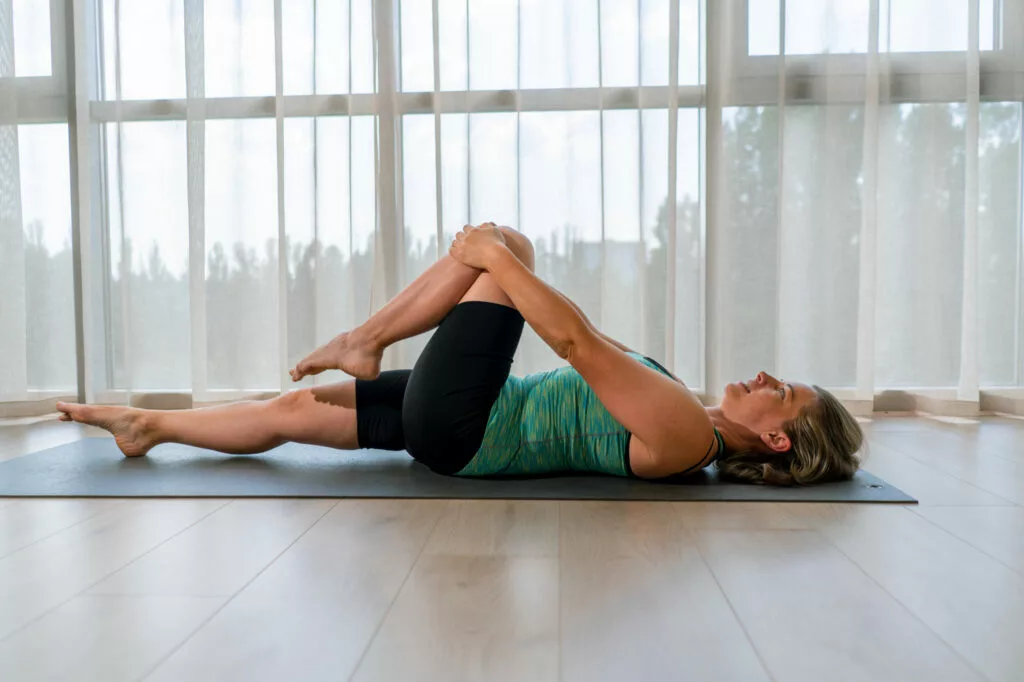
Knee pain is a common problem that affects people of all ages. It can happen due to injury, arthritis, muscle weakness, obesity, overuse, or aging. Many people look for natural ways to manage discomfort, and yoga for knee pain has become one of the most trusted options. Yoga helps improve flexibility, strengthen muscles around the knee, reduce stiffness, and support better movement.
Gentle stretching and mindful movement can ease knee joint pain and help you stay active. However, the right yoga poses matter. Incorrect posture or deep bending can worsen pain. This guide explains the best yoga poses, safety tips, causes of knee pain, and when to seek medical help.
At Numed Hospital, expert orthopedic care is available under Dr. Akhilesh Yadav (18+ Years Experience) for advanced diagnosis and treatment of knee conditions.
The knee is one of the largest and busiest joints in the body. It supports body weight while walking, climbing stairs, sitting, and standing. Because of this, it is vulnerable to wear and tear.
Common knee pain causes include:
When pain is mild to moderate, yoga and strengthening exercises can often help.
Yes, yoga for knee pain can help when done correctly. Yoga supports recovery by improving the muscles that stabilize the knee, especially the quadriceps, hamstrings, calves, hips, and core.
Benefits of Yoga for Knee Pain
Yoga is not a replacement for emergency treatment. If pain is severe or due to injury, consult a doctor first.
These poses are generally gentle and supportive. Use a yoga mat and move slowly.
1. Mountain Pose (Tadasana)
A simple standing pose that improves posture and weight balance.
How to Do:
Benefit:
Improves body alignment and reduces extra stress on knees.
2. Chair Pose (Modified)
This strengthens thighs and hips.
How to Do:
Benefit:
Strengthens muscles supporting the knee.
3. Bridge Pose
Excellent for hips, glutes, and hamstrings.
How to Do:
Benefit:
Builds leg and hip support without knee strain.
4. Reclining Hand-to-Big-Toe Pose (Using Strap)
Gentle hamstring stretch.
How to Do:
Benefit:
Tight hamstrings can worsen knee pain. This pose helps.
5. Child’s Pose (Modified)
A relaxing stretch if comfortable.
How to Do:
Benefit:
Relaxes body and reduces tension. Avoid if kneeling hurts.
Along with yoga, these exercises for knee pain can help:
A balanced routine often gives better results than yoga alone.
Along with yoga practice, use these home remedies for knee pain:
These remedies may reduce daily discomfort.
Some knee pain reasons need quick medical attention.
Seek Medical Help If You Have:
Avoid these common mistakes:
Yoga should feel supportive, not painful.
Sometimes knee pain comes from weak hips, tight ankles, or poor posture. Many people with knee pain also experience back or neck strain.
That is why related practices such as:
can indirectly improve movement patterns and reduce knee overload.
Beginner Routine (15–20 Minutes)
Practice 4–5 days a week.
If yoga alone is not enough, medical knee pain treatment may include:
Treatment depends on the exact diagnosis.
Consult a specialist if:
Early treatment prevents worsening damage.
For complete diagnosis and expert treatment, Numed Hospital provides advanced orthopedic care with modern facilities.
Why Patients Choose Numed Hospital:
Consult Dr. Akhilesh Yadav, an experienced orthopedic expert with 18+ years of experience, for knee pain evaluation and treatment.
Yoga for knee pain is a natural and effective way to reduce stiffness, improve mobility, and strengthen muscles around the joint. Safe poses like Mountain Pose, Bridge Pose, and modified Chair Pose can help many people when practiced consistently.
However, persistent pain, swelling, locking, or instability should not be ignored. Combine yoga with medical guidance for the best results. For expert care, visit Numed Hospital and consult Dr. Akhilesh Yadav (18+ Years Experience).
