
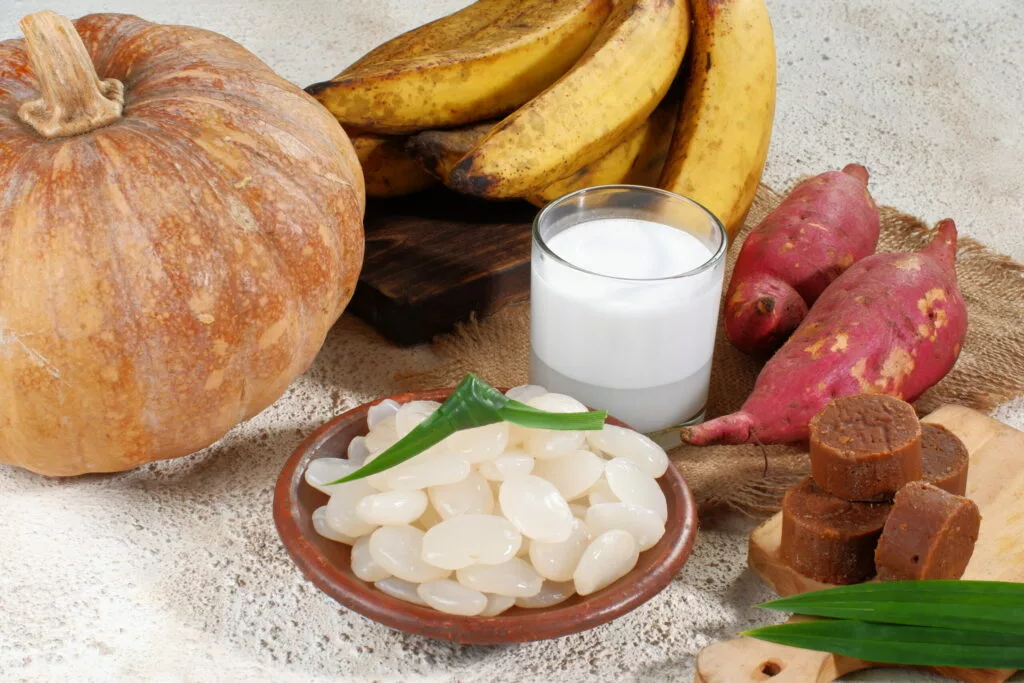
Choosing the right food to eat in jaundice is very important for faster recovery and better liver health. Jaundice affects both adults and children and usually causes yellowing of the skin, eyes, and urine due to high bilirubin levels in the blood.
A healthy diet can help the liver heal, improve digestion, and reduce weakness. Patients with jaundice should eat light, nutritious, and easy-to-digest foods that support liver function.
In this blog, we will explain the best food to eat in jaundice, foods to avoid, causes, symptoms, types, tests, and treatment options in simple language for patients and families.
Many people ask, what is jaundice disease and why it happens.
Jaundice is a medical condition where the skin, eyes, and urine become yellow because of increased bilirubin in the blood. Bilirubin is a yellow pigment formed when red blood cells break down.
Normally, the liver removes bilirubin from the body. But when the liver is weak or damaged, bilirubin builds up and causes jaundice.
There are many causes of jaundice related to liver health and blood disorders.
Common Causes of Jaundice
In children, jaundice may also happen due to infections or newborn liver immaturity.
Understanding the types of jaundice helps doctors decide the proper treatment.
1. Hepatic Jaundice
This happens because of liver damage caused by hepatitis, cirrhosis, or infection.
Symptoms
2. Obstructive Jaundice
This type happens when bile flow is blocked by gallstones or tumors.
Symptoms
3. Hemolytic Jaundice
This occurs when red blood cells break down too quickly.
Symptoms
Recognizing jaundice symptoms early helps prevent complications.
Common Symptoms of Jaundice
Many patients also search for symptoms of jaundice in adults because adults may experience more fatigue and digestive problems.
The symptoms of jaundice in adults may vary depending on the liver condition.
Common Adult Symptoms
Adults with alcohol-related liver disease may develop severe jaundice symptoms.
The etiology of jaundice means the medical reasons behind bilirubin buildup.
Medical Etiology Includes
Doctors study the exact cause before starting proper treatment.
The right food to eat in jaundice helps reduce stress on the liver and supports healing.
Patients should focus on:
1. Fresh Fruits
Fruits are among the best food to eat in jaundice because they contain vitamins and antioxidants.
Recommended Fruits
These fruits improve digestion and support liver recovery.
2. Coconut Water
Coconut water keeps the body hydrated and helps remove toxins naturally.
Benefits
It is safe for both adults and children.
3. Sugarcane Juice
Sugarcane juice is commonly recommended as a natural food to eat in jaundice.
Benefits
Always drink fresh and hygienic juice.
4. Khichdi and Soft Rice
Soft foods are easy to digest and reduce pressure on the liver.
Best Options
These foods are suitable during weakness and recovery.
5. Green Vegetables
Vegetables contain nutrients that support liver healing.
Recommended Vegetables
Cook vegetables lightly for easier digestion.
6. Lemon Water
Lemon water supports detoxification and hydration.
Benefits
Drink without excess sugar.
7. Protein-Rich Foods
Protein is important for tissue repair during recovery.
Healthy Protein Sources
Avoid oily protein sources.
Along with proper food to eat in jaundice, avoiding harmful foods is equally important.
Avoid These Foods
These foods increase stress on the liver.
Children need gentle nutrition during jaundice recovery.
Best Foods for Children
Parents should ensure proper hydration and rest.
Jaundice Test
Doctors recommend a jaundice test to check bilirubin levels and liver function.
Common Jaundice Tests
Bilirubin Test
Measures bilirubin in the blood.
Liver Function Test (LFT)
Checks liver enzymes and liver health.
Ultrasound
Detects liver swelling or bile duct blockage.
Hepatitis Test
Identifies viral infections affecting the liver.
The proper jaundice treatment depends on the underlying cause.
Common Treatment Methods
Most mild jaundice cases improve with proper care and nutrition.
The treatment of jaundice in adults may include medical management for liver disease or hepatitis.
Adult Treatment Includes
Severe cases may require hospitalization.
Following healthy habits helps improve liver recovery.
Recovery Tips
These habits improve energy and liver function.
Seek immediate medical attention if jaundice symptoms become severe.
Warning Signs
Early treatment helps prevent serious liver complications.
Choosing the right food to eat in jaundice is one of the most important parts of recovery for adults and children. Fresh fruits, coconut water, soft foods, vegetables, and proper hydration support liver healing and improve energy levels.
Understanding jaundice symptoms, jaundice causes, types of jaundice, and proper jaundice treatment helps patients recover safely and avoid complications. Always follow medical advice and maintain a liver-friendly diet during recovery.
A healthy lifestyle, nutritious diet, and timely medical care can help restore liver health naturally and effectively.
