
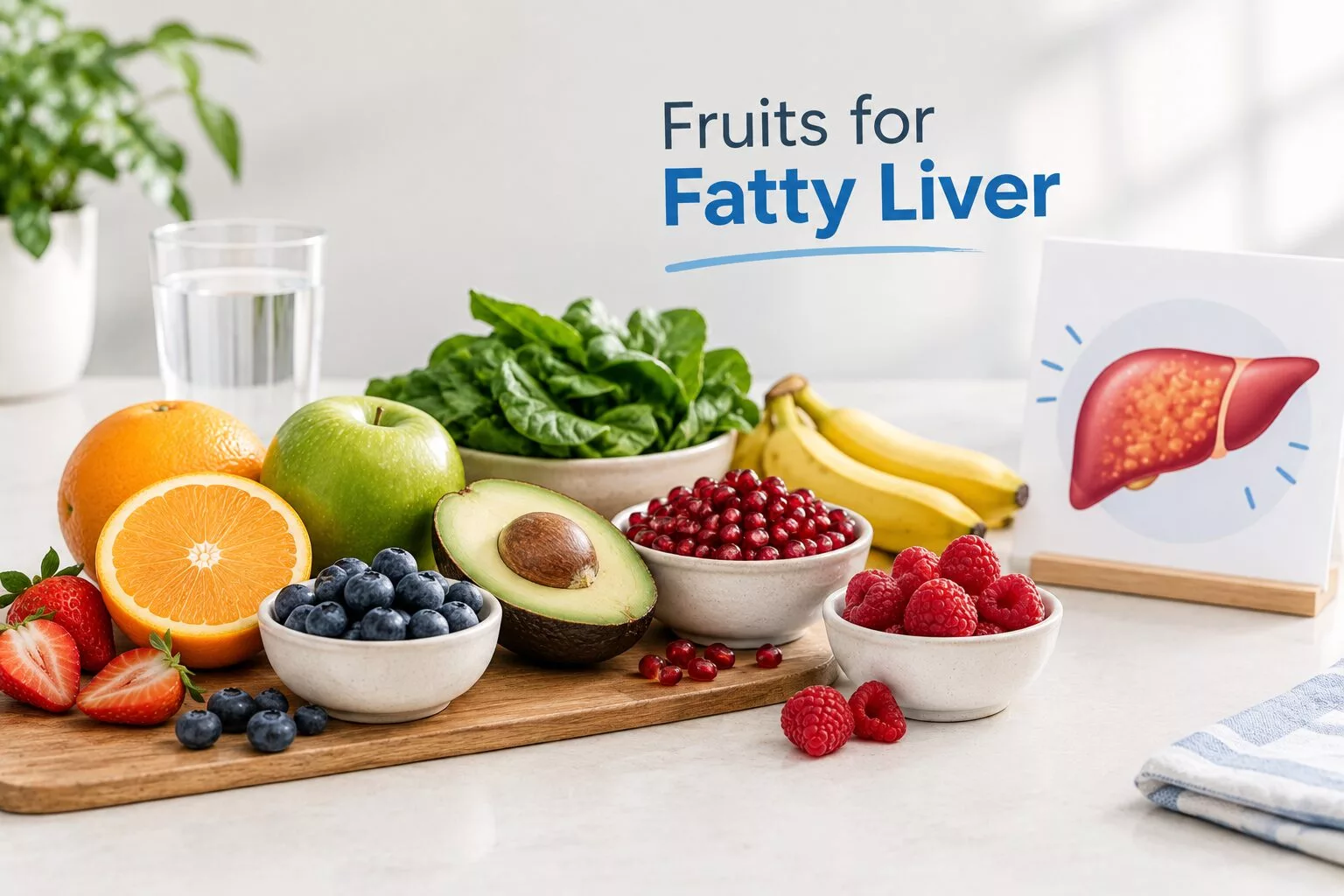
Do you often feel tired, bloated, or notice pain on the right side of your belly? These can be early signs of fatty liver. Fatty liver disease is becoming very common today because of poor eating habits, low activity, and rising obesity rates. The good news is that diet plays a big role in fixing it. In this guide, we explain the best liver-friendly fruits to eat, a simple fatty liver diet plan, foods to avoid, and easy tips to protect your liver for years to come.
Fatty liver, also called Non-Alcoholic Fatty Liver Disease (NAFLD), happens when too much fat builds up in the liver cells. A healthy liver has very little fat. But when fat makes up more than 5% of the liver’s weight, doctors call it fatty liver.
This condition is linked to obesity, insulin resistance, high sugar intake, and a sedentary lifestyle. Studies suggest that NAFLD affects nearly 25–30% of adults worldwide, making it one of the most common liver problems today.
● Eating too much sugar and refined carbs
● Being overweight or obese
● Insulin resistance or type 2 diabetes
● Lack of physical activity
● High cholesterol or triglycerides
● Some medications or rapid weight loss
As the condition grows, you may notice:
● Tiredness or low energy
● Mild pain in the upper right belly
● Bloating
● Unexplained weight loss
● In advanced cases, yellowing of skin or eyes
The liver is your body’s natural filter. It breaks down fat, clears toxins, and manages blood sugar. When you eat fruits rich in fiber, antioxidants, and natural plant compounds, you help the liver do its job better. This is why choosing the right fruit is one of the easiest and safest ways to support recovery.
However, not all fruits are equal. Some fruits are high in natural sugar and can add to liver fat if eaten in large amounts. Below, we cover the fruits backed by nutrition science for liver support.
Berries are full of antioxidants called anthocyanins. These compounds help reduce swelling in the liver and protect liver cells from damage. Berries also have a low sugar load compared to other fruits, making them one of the top liver healthy foods.
Papaya contains an enzyme called papain that supports digestion. It is also rich in vitamin C and beta-carotene, which help fight oxidative stress in the liver.
Citrus fruits are high in vitamin C and plant compounds like naringenin. Research shows these compounds may help reduce fat buildup in liver cells, making citrus fruits some of the best food for liver support.
Apples and pears (eaten with the skin) are rich in pectin, a fiber that helps lower cholesterol and slows down fat absorption. This makes them a smart choice for anyone following a diet for fatty liver.
Avocado is technically a fruit and is loaded with healthy monounsaturated fat. Unlike saturated fat, this type of fat supports better cholesterol levels and reduces liver inflammation.
Both fruits contain powerful antioxidants (resveratrol and punicalagins) linked to lower liver inflammation. Eat these in small amounts since they contain more natural sugar than berries or citrus.
Below is a simple diet chart for fatty liver you can follow daily:
Meal | Food Choices |
Morning | Warm lemon water, soaked almonds |
Breakfast | Oats with berries and flaxseeds |
Mid-Morning | One orange or a small bowl of papaya |
Lunch | Brown rice, grilled vegetables, lentils, salad |
Evening Snack | A small apple or a few grapes |
Dinner | Grilled fish or tofu with steamed vegetables |
This fatty liver diet plan focuses on fiber, lean protein, and healthy fats while keeping sugar and fried food low.
Knowing what to skip is just as important as knowing what to eat. Common foods to avoid with fatty liver include:
● Sugary drinks and packaged fruit juices
● Deep-fried and processed foods
● White bread, maida, and refined carbs
● Red meat in large amounts
● Alcohol, even in small quantities
● Helps reduce liver fat over time
● Lowers inflammation and oxidative stress
● Improves digestion and gut health
● Supports healthy blood sugar levels
● Boosts energy and reduces fatigue
If left untreated, simple fatty liver can slowly turn into more serious problems, such as:
● Liver inflammation (steatohepatitis)
● Liver scarring (fibrosis)
● Cirrhosis in advanced stages
● Higher risk of heart disease and diabetes
● Eat more fiber-rich fruits and vegetables
● Walk or exercise for 30 minutes daily
● Drink enough water through the day
● Sleep 7–8 hours each night
● Avoid alcohol and sugary drinks
● Get liver function tests checked regularly
Following these steps consistently is one of the most effective ways of learning how to reduce fatty liver without medication.
Liver health is not a one-time fix. It needs daily care. Eating liver healthy foods, staying active, managing weight, and avoiding harmful habits like smoking and excess alcohol are the best ways to protect your liver for life. Regular checkups also help catch problems early, long before symptoms appear.
