
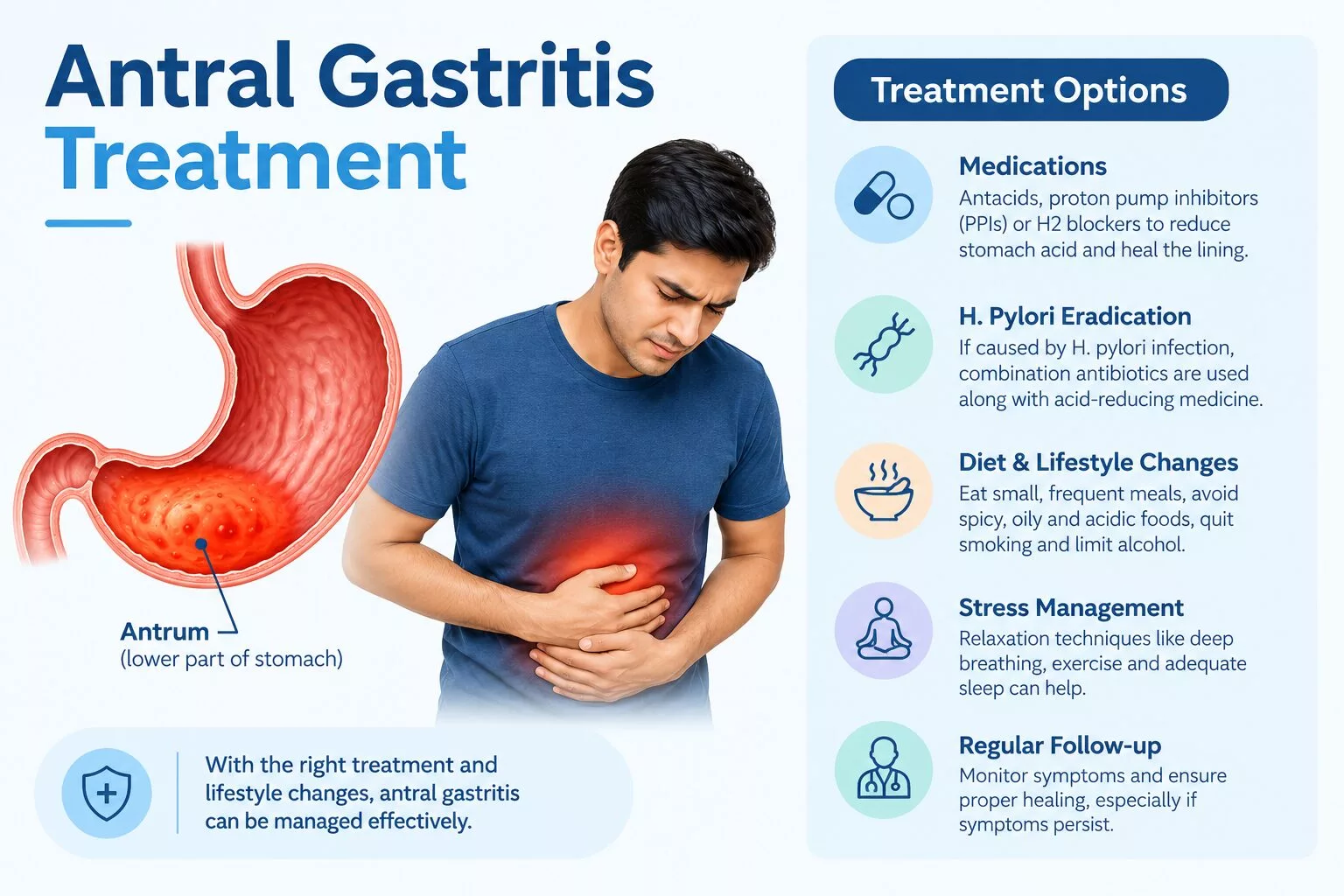
Stomach pain that won’t go away can be frustrating and worrying. One of the most common reasons behind this discomfort is antral gastritis, a condition affecting the lower part of the stomach. Understanding the right antral gastritis treatment approach can help you manage symptoms faster and prevent complications down the road. This guide walks you through the causes, symptoms, and remedies in simple, easy-to-follow language.
Antral gastritis is inflammation that specifically affects the antrum, the lower section of the stomach located near the small intestine. This area plays a key role in digestion, so when it becomes inflamed, it can disrupt normal stomach function.
Like other forms of gastritis, this condition can range from mild irritation to more severe inflammation. Getting the right antral gastritis treatment early usually leads to a smoother recovery and fewer long-term complications.
Several factors can trigger inflammation in the stomach lining. Identifying the root cause is often the first step toward effective gastritis treatment.
Recognizing gastritis symptoms early can help you seek treatment before the condition worsens. Common signs include:
Some people experience mild discomfort, while others report sharp, persistent gastric pain. If symptoms last more than a few days, it’s best to consult a doctor for proper evaluation.
Gastritis is generally classified into two types, and knowing the difference matters for treatment planning.
Acute gastritis develops suddenly, often triggered by infection, alcohol, or medication use. Symptoms tend to appear quickly but usually resolve once the underlying cause is addressed.
Chronic gastritis, on the other hand, develops gradually and can persist for months or years if left untreated. It’s often linked to long-term H. pylori infection or autoimmune conditions. Chronic inflammation increases the risk of complications, making timely gastritis treatment especially important.
Erosive gastritis is a more severe form of the condition, where the stomach lining develops small erosions or sores rather than just inflammation. When this occurs specifically in the lower stomach, it’s referred to as erosive antral gastritis.
This type can cause more intense gastric pain and, in some cases, lead to bleeding within the digestive tract. Because of the increased risk of complications, erosive antral gastritis usually requires closer monitoring and a more structured antral gastritis treatment plan.
Proper diagnosis is essential before starting any treatment. Doctors typically use a combination of methods to confirm gastritis and identify its cause.
An endoscopy allows direct visualization of the stomach lining and helps detect inflammation or erosions. A biopsy may be taken during this procedure to check for H. pylori infection or rule out other conditions. Blood tests, stool tests, or breath tests can also help confirm bacterial infection.
Accurate diagnosis ensures the treatment plan targets the actual cause rather than just masking symptoms.
Once diagnosed, the right antral gastritis treatment depends on the underlying cause and severity of inflammation. Most treatment plans combine medication, dietary adjustments, and lifestyle changes.
Medications for Antral Gastritis Treatment
If H. pylori infection is present, doctors typically prescribe a combination of antibiotics along with acid-reducing medication to clear the bacteria. Proton pump inhibitors (PPIs) or H2 blockers are commonly used to reduce stomach acid and allow the lining to heal. Antacids may also help provide short-term relief from discomfort. Medication choice and duration should always be determined by a healthcare provider based on individual test results.
Dietary Changes to Support Antral Gastritis Treatment
Diet plays a significant role in managing gastritis. Certain foods can either soothe or aggravate the stomach lining.
Helpful habits include eating smaller, more frequent meals instead of large ones, avoiding spicy, fried, or highly acidic foods, and limiting caffeine and carbonated beverages. Including fiber-rich foods like vegetables, oats, and whole grains can also support digestive healing.
Lifestyle Remedies for Gastritis
Beyond medication and diet, certain lifestyle adjustments can speed up recovery and reduce flare-ups.
Reducing alcohol intake, quitting smoking, and managing stress through relaxation techniques like meditation or light exercise all contribute to better stomach health. Avoiding unnecessary use of painkillers, unless prescribed, also helps protect the stomach lining over time.
While mild gastritis symptoms often improve with basic care, certain situations call for professional evaluation. You should consult a gastritis specialist if you experience persistent gastric pain lasting more than a week, unexplained weight loss, vomiting blood, or black, tarry stools.
A specialist can perform advanced diagnostic tests and tailor a treatment plan suited to your specific condition, especially in cases of chronic gastritis or erosive antral gastritis where complications are more likely.
While not every case is preventable, certain habits can significantly lower your risk. Practicing good hygiene to avoid H. pylori infection, moderating alcohol consumption, and being cautious with long-term painkiller use all help protect your stomach lining.
Regular checkups are also valuable, particularly if you have a family history of digestive issues or have previously been diagnosed with gastritis.
