
Seeing 160/90 on your monitor can be unsettling. Is a 160 90 blood pressure reading dangerous, or just a bad day? The honest answer is that a 160 90 blood pressure reading is high, and it deserves attention. It is rarely an emergency, but you should never ignore it.
In this guide, you will learn what 160 90 blood pressure means, why your bp may be elevated, which symptoms to watch for, and how to bring it down safely. We will also cover the normal bp range, how to measure blood pressure at home, and what low readings look like.
Blood pressure is written as two numbers. The top number, called systolic, shows the force on your artery walls when your heart beats. The bottom number, called diastolic, shows the force between beats. With 160 90 blood pressure, your systolic number is 160 and your diastolic number is 90.
Both numbers sit above healthy limits. Under American heart guidelines, a 160 90 blood pressure reading counts as stage 2 hypertension. That means your arteries are under steady, excess strain. Over time, this raises your risk of heart attack, stroke, and kidney damage.
Is 160 90 Blood Pressure an Emergency?
Usually not. A hypertensive crisis starts at 180 over 120 or higher. If you have 160 90 blood pressure and no symptoms, a prompt doctor visit is typically enough.
However, call emergency services if the reading comes with any of these signs:
Knowing the categories helps you understand 160 90 blood pressure. Normal blood pressure is below 120/80 mmHg. Here is how the ranges break down:
Category | Systolic (top) | Diastolic (bottom) |
Normal | Below 120 | and below 80 |
Elevated | 120–129 | and below 80 |
Stage 1 hypertension | 130–139 | or 80–89 |
Stage 2 hypertension | 140 or higher | or 90 or higher |
Hypertensive crisis | Above 180 | and/or above 120 |
Low (hypotension) | Below 90 | or below 60 |
As the table shows, 160 90 blood pressure falls firmly in stage 2. Even one high number is enough to place you in that category.
The normal bp range is under 120/80 for most adults. The bp normal range for female adults is the same, although pregnancy, menopause, and hormonal shifts can change readings. The normal bp range for women does not drop with age, but heart risk does climb after menopause.
Compared with these targets, 160 90 blood pressure is 40 points higher on top and 10 points higher on the bottom. That gap is why doctors take it seriously.
Several factors can push readings up to 160 90 blood pressure:
Sometimes a single 160 90 blood pressure reading is just a stress response, a strong coffee, or a rushed walk into the clinic. This is often called the white-coat effect. That is why repeat readings matter.
Most people with 160 90 blood pressure feel nothing at all. This is why hypertension is often called the silent killer. Some people notice headaches, nosebleeds, dizziness, tiredness, or blurred vision, but these signs are not reliable.
Living with 160 90 blood pressure for months or years can quietly damage the heart, brain, kidneys, and eyes. Regular checks are the only dependable way to know.
Why High Readings Differ From Low Ones
Some people search odd phrases such as “low is too high as easy is to” when they feel confused about high and low numbers. To be clear, they are separate problems.
The low blood pressure range usually starts below 90/60, though doctors care more about how you feel than the number alone. Common low blood pressure symptoms include:
A 160 90 blood pressure reading is high, so it needs a completely different approach than hypotension.
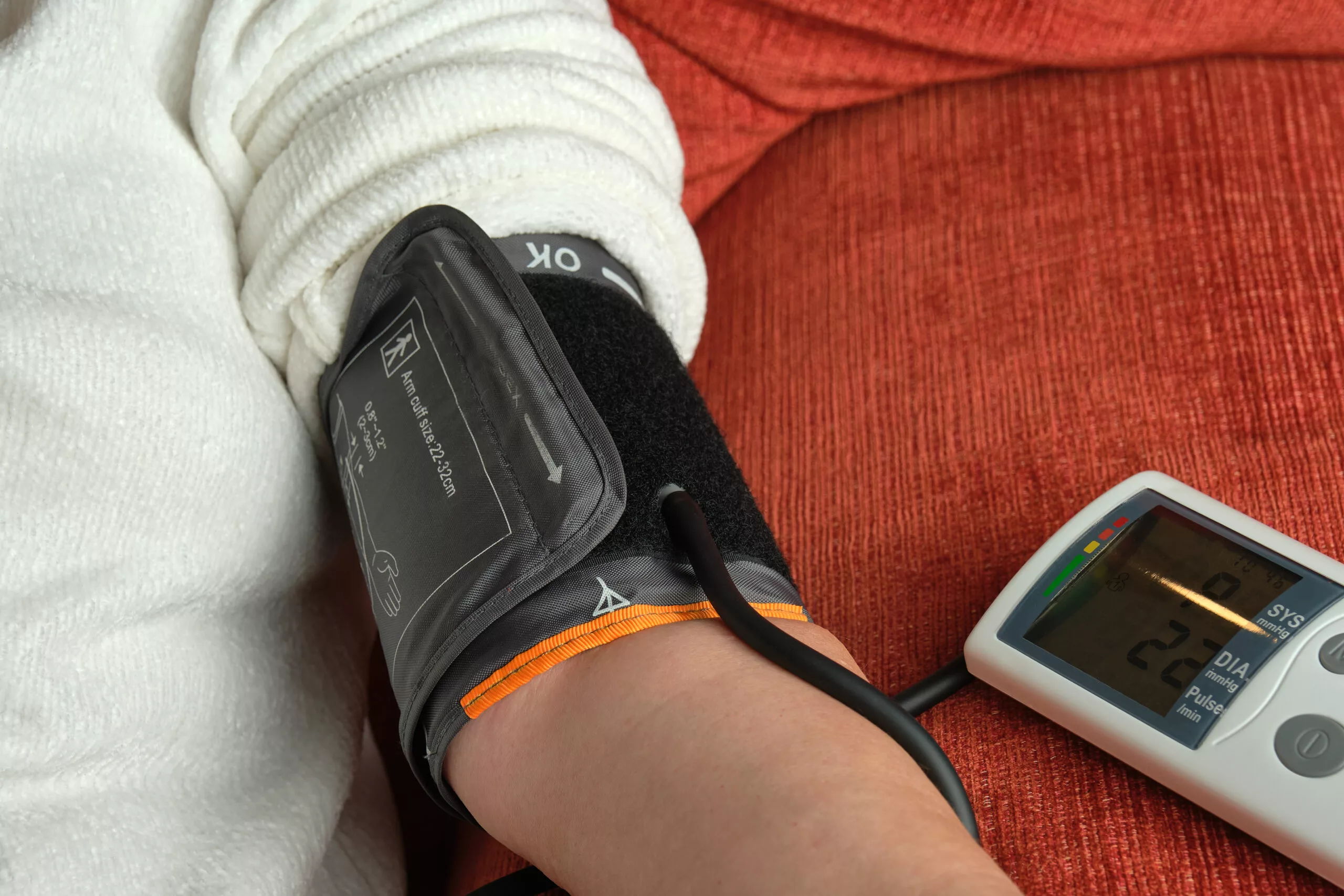
Do not rely on a single result. Here is how to measure blood pressure at home accurately and check for 160 90 blood pressure:
Check in the morning and evening for a week. If the average stays near 160 90 blood pressure, book a medical visit and bring your log.
Wondering how to lower blood pressure without rushing to medicine? Start with habits that research supports:
Together, these steps can lower systolic pressure by roughly 5 to 15 points. Still, lifestyle change alone is rarely enough for 160 90 blood pressure, so your doctor may add medicine.
Doctors commonly prescribe ACE inhibitors, ARBs, calcium channel blockers, or diuretics. Many people with stage 2 hypertension need two medicines at once. Treatment for 160 90 blood pressure often starts quickly because the risks build over time. Never start, stop, or change medicine without medical advice.
Book an appointment within a few days if your home average stays at or above 160 90 blood pressure. Go sooner if you also have headaches, dizziness, or a family history of stroke.
Seek emergency care right away if your reading goes above 180/120, or if you have chest pain, breathlessness, or sudden vision changes. Tell your doctor about every medicine and supplement you take, since some can push you toward 160 90 blood pressure.
