
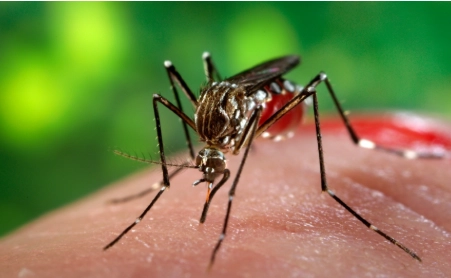
Dengue fever rash is one of the most common skin-related symptoms seen in dengue infection. It can appear in both children and adults and may range from mild redness to severe itchy skin patches. Dengue is a mosquito-borne viral disease caused by the dengue virus and spreads through the bite of infected Aedes aegypti mosquitoes.
In many cases, people first notice fever and body pain, but later a dengue fever rash develops on the skin, face, arms, or legs. Understanding the causes, stages, symptoms, and proper care is important for fast recovery and preventing complications.
At Numed Hospital, expert doctors provide advanced diagnosis and supportive care for dengue fever, dehydration, high fever, platelet monitoring, and skin complications related to dengue infection.
A dengue fever rash is a skin eruption that appears during or after dengue viral infection. The rash may look red, patchy, itchy, or similar to measles. Some patients also develop tiny red dots because of bleeding under the skin.
The rash usually develops because the immune system reacts to the dengue virus and causes inflammation in blood vessels.
Common Features of Dengue Fever Rash
Many patients also experience dengue fever rash on face, especially during the recovery phase.
Understanding dengue fever causes helps people prevent infection and complications.
Dengue fever is caused by four types of dengue viruses:
The virus spreads through infected mosquito bites, mainly in tropical and humid regions.
Risk Factors for Dengue Fever
Children and elderly people may develop more severe symptoms due to weaker immune systems.
Dengue fever rash is a common symptom of dengue infection seen in children and adults. It may cause red spots, itching, skin irritation, fever, body pain, and weakness. Early diagnosis, proper hydration, dengue blood tests, and supportive dengue treatment help prevent serious complications and support faster recovery.
Common Dengue Symptoms
Early Symptoms
Skin-Related Symptoms
Severe Symptoms
If these symptoms appear, immediate medical attention is required.
The dengue fever rash generally appears in different stages during infection.
1. Early Stage Rash
During the first 2–3 days, mild skin redness may appear due to high fever.
Symptoms Include:
This stage may be confused with viral fever or allergy.
2. Acute Stage Rash
This stage usually develops around day 4–6 of infection.
Features of Acute Rash
Many patients notice severe dengue fever symptoms rash during this stage.
3. Recovery Stage Rash
During recovery, patients may develop skin rashes after dengue fever.
Common Recovery Symptoms
This phase usually improves within a few days with proper hydration and skin care.
Children often show different symptoms compared to adults.
Common Signs in Children
A dengue fever rash in children may appear more widespread and itchy.
Parents should immediately consult doctors if the child develops:
Adults may experience more body pain and severe weakness.
Symptoms in Adults
Some adults also develop dengue fever rash on face and neck during recovery.
Understanding the types of dengue fever helps identify disease severity.
1. Mild Dengue Fever
Most patients recover within one week.
2. Dengue Hemorrhagic Fever
This severe type can cause:
Immediate hospitalisation may be needed.
3. Dengue Shock Syndrome
This is a life-threatening condition causing:
Emergency treatment is essential.
A dengue blood test is important for confirming infection and monitoring platelet count.
Common Dengue Tests
NS1 Antigen Test
IgM and IgG Antibody Tests
Complete Blood Count (CBC)
Doctors may repeat tests daily in severe dengue cases.
Currently, there is no specific antiviral cure for dengue fever. However, supportive dengue treatment helps patients recover safely.
Main Treatment Options
Hydration Therapy
Fever Management
Doctors usually recommend safe fever reducers like paracetamol.
Avoid:
These medicines may increase bleeding risk.
Many people search for medication for dengue fever, but treatment mainly focuses on symptom control.
Common Medications Used
Never self-medicate without consulting a doctor.
Proper skin care helps reduce irritation and itching.
Home Care Tips
Keep Skin Hydrated
Use:
Avoid Scratching
Scratching may damage skin and increase infection risk.
Wear Loose Clothes
Cotton clothing helps reduce irritation.
Drink Plenty of Fluids
Hydration improves skin healing and recovery.
Healthy nutrition supports faster recovery.
Recommended Foods
Avoid oily and junk foods during recovery.
Preventing mosquito bites is the best protection against dengue.
Dengue Prevention Tips
Children should be especially protected during monsoon season.
Seek medical attention immediately if symptoms worsen.
Warning Signs
Timely medical care reduces complications and improves recovery.
Numed Hospital provides comprehensive care for dengue fever and related complications.
Facilities Available
The hospital focuses on accurate diagnosis, safe treatment, and patient-centered recovery care
Dengue fever rash is an important sign of dengue infection seen in both children and adults. The rash may appear during different stages of illness and can vary from mild redness to severe itchy patches. Early diagnosis, proper hydration, monitoring platelet count, and medical supervision are essential for safe recovery.
Understanding dengue fever causes, symptoms, treatment, and prevention helps families manage the condition effectively. If you or your child develops fever with rash, consult experienced healthcare professionals immediately.
For expert dengue diagnosis and supportive treatment, Numed Hospital offers reliable medical care with advanced facilities and experienced healthcare specialists.
