

Irregular periods after the age of 30 are far more common than most women realize. While an occasional delay or early cycle may not seem serious, frequent irregularity can indicate underlying health conditions that often go unnoticed. Women in their 30s juggle career, family, stress, lifestyle changes, and hormonal shifts — all of which influence the menstrual cycle.
But ignoring irregular periods can delay the diagnosis of important health issues like hormonal imbalance, thyroid disorders, PCOS, stress-related problems, or nutritional deficiencies.
In this blog, we will explore why irregular periods become more common after 30, the hidden causes women often ignore, when to seek medical help, and how Numed Super Speciality Hospital, the best multispeciality hospital in Noida Extension, supports women with advanced gynaecology care.
A normal menstrual cycle typically ranges between 24 to 35 days. Periods are considered irregular when:
Your cycle length varies every month
You miss periods frequently
Your periods come earlier or later than expected
Bleeding is unusually heavy or too light
Your cycle suddenly becomes erratic after being regular for years
For women above 30, these irregularities often signal hormonal or lifestyle-related disruptions.
Your 30s are a transformative decade for your body. Hormones fluctuate due to stress, lifestyle changes, reproductive planning, metabolism shifts, and age-related hormonal transitions. Even slight hormonal imbalance can disturb the menstrual cycle.
Below are the most common and often ignored causes of irregular periods after 30, explained cleanly and clearly.
Hormones like estrogen, progesterone, and LH (luteinizing hormone) play the biggest role in regulating your cycle. Any imbalance can disrupt ovulation and change your period schedule.
Common hormonal triggers include:
Stress
Poor sleep
Excessive travel
Sudden lifestyle changes
Weight fluctuations
Using emergency contraceptives
This is one of the top reasons for irregular menstrual cycle in your 30s.
PCOS is extremely common among young women today, especially after 30.
Symptoms include:
Irregular or missed periods
Excess facial/body hair
Acne or oily skin
Weight gain
Difficulty conceiving
PCOS disrupts ovulation, making cycles unpredictable. It is one of the most searched health concerns among women and a leading cause of irregular periods.
Your thyroid gland controls metabolism and reproductive hormones. Even mild thyroid imbalance can cause:
Irregular cycles
Heavy or very light bleeding
Mood changes
Weight problems
Fatigue
Women in their 30s are at higher risk for thyroid disorders due to hormonal transitions, stress, and nutritional issues.
Stress releases cortisol — a hormone that directly interferes with the reproductive system.
Common stress triggers:
Work pressure
Relationship stress
Parenting responsibilities
Financial worries
Lack of rest
Sudden changes in body fat percentage affect estrogen production.
Being underweight can stop periods completely.
Being overweight can cause heavy, painful, or irregular cycles.
Maintaining a healthy weight is essential to regulate hormones naturally.
Many women after 30 start intense fitness routines for weight management. But excessive workouts, low-calorie diets, or overtraining can lead to exercise-induced amenorrhea — missing periods due to stress on the body.
Perimenopause can begin in the early 30s for some women, especially due to genetics, stress, or medical conditions.
Symptoms include:
Irregular periods
Hot flashes
Mood swings
Sleep problems
This transitional phase causes fluctuations in estrogen and progesterone.
Stopping or starting birth control pills, hormonal IUDs, or emergency contraceptives can cause temporary irregular cycles. This is normal but should be monitored.
Certain conditions can also contribute:
Fibroids
Endometriosis
Pelvic infections
Chronic illnesses
Diabetes or insulin resistance
Ignoring repeated irregular cycles may delay important diagnosis.
Deficiency of iron, vitamin D, vitamin B12, and omega-3 can impact hormone production, leading to irregular cycles.
Women in their 30s often experience deficiencies due to busy lifestyles.
Seek medical help if:
You miss periods for 2–3 months
Bleeding becomes unusually heavy
Your cycle remains unpredictable for over six months
You experience severe pain, fatigue, or mood changes
You’re trying to conceive but cycles are irregular
Your periods suddenly change after years of regular cycles
These symptoms indicate that your hormones or reproductive system need attention.

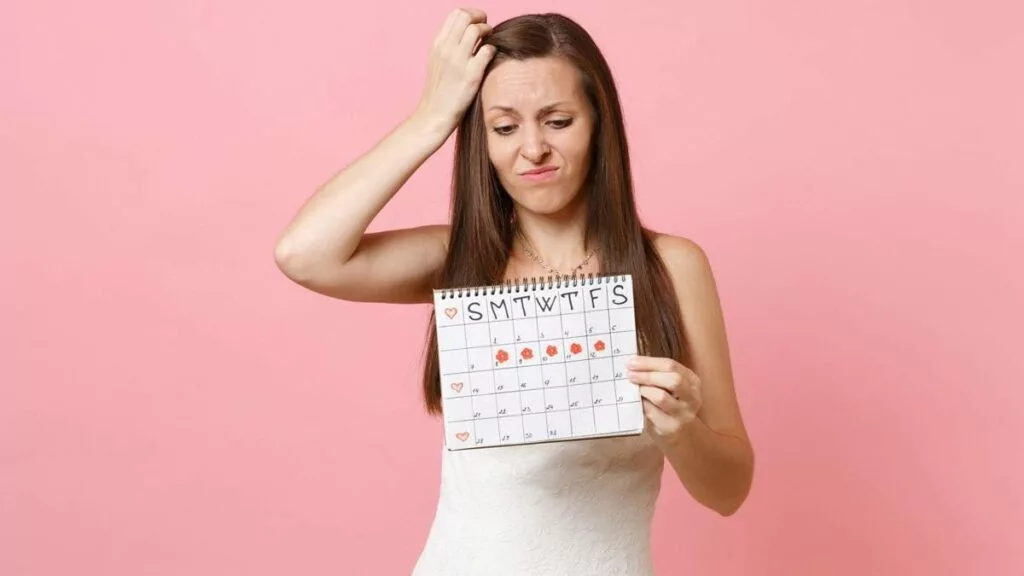
Ignoring irregular periods can lead to:
Fertility issues
Hormonal imbalance
Difficulty conceiving
Weight problems
Insulin resistance
PCOS progression
Thyroid complications
Endometrial problems
Timely diagnosis helps avoid long-term complications and supports reproductive health.
Maintain a consistent sleep schedule
Reduce caffeine and sugar intake
Manage stress through breathing or meditation
Eat a balanced diet rich in protein, iron & healthy fats
Exercise moderately
Stay hydrated
Avoid smoking & limit alcohol
Maintain a healthy weight
These simple habits support natural hormonal balance.
Numed Super Speciality Hospital, Noida Extension, provides expert and compassionate care for all women’s health issues.
As the best multispeciality hospital in Noida Extension, Numed offers:
Experienced gynaecologists
Advanced diagnostic facilities
Hormonal evaluation
Ultrasound & fertility assessments
PCOS and thyroid management
Personalized treatment plans
24×7 emergency support
Whether your irregular periods are due to hormonal imbalance, thyroid issues, PCOS, stress, or lifestyle factors, Numed Hospital provides complete care under one roof.
Your health deserves timely attention — and Numed ensures safe, accurate, and advanced women’s healthcare.

Irregular periods after 30 are common but not “normal.” They are your body’s way of signaling hormonal imbalance or lifestyle stress. The key is not to ignore them. Understanding your cycle, seeking timely care, and maintaining healthy habits can prevent long-term complications and protect your reproductive health.
If you’re experiencing irregular periods, heavy bleeding, missed cycles, or fertility concerns, don’t delay professional care.
Visit Numed Super Speciality Hospital, Noida Extension, for expert diagnosis and complete gynaecology support.
Your health, your confidence, and your peace of mind matter — take the right step today.
