
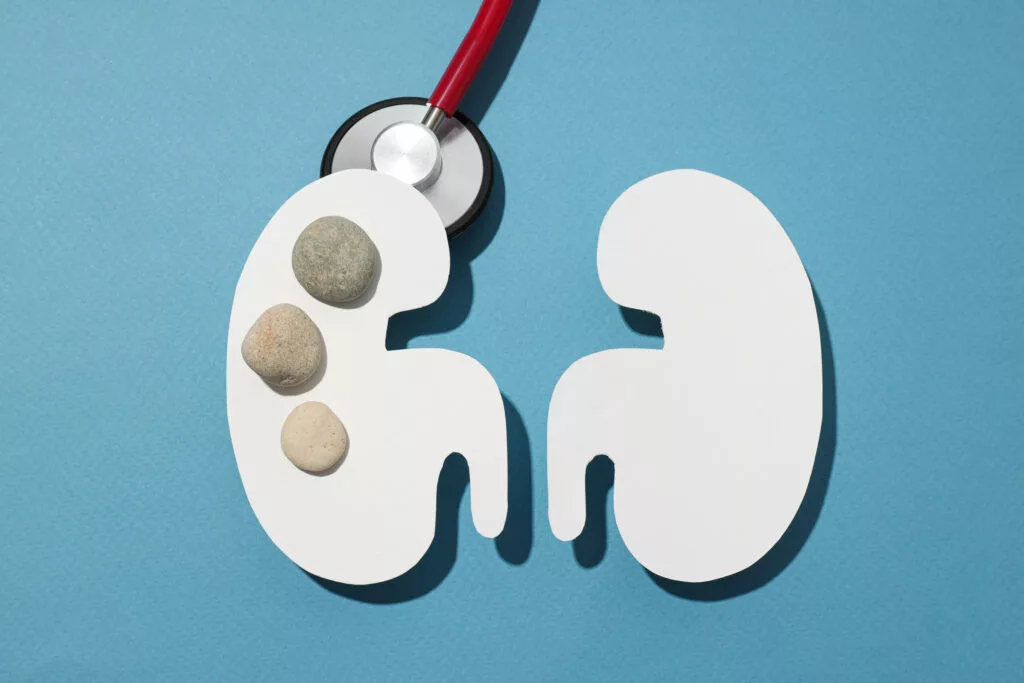
Kidney stones are a common urinary tract condition that affects millions of people worldwide. Many patients become concerned when they notice kidney stones in the toilet after urination. Seeing a stone pass naturally can be surprising, but it often provides valuable information about the stone’s size, color, composition, and overall health implications.
Understanding what passed into the toilet can help determine the severity of the condition and guide future treatment decisions. This article explains how kidney stones appear, why they vary in shape and color, and the available treatment options for effective recovery.
Finding a stone in the toilet usually indicates that a stone has traveled through the urinary tract and exited the body through urine. This process can happen naturally, especially when the stone is small enough to pass without surgical intervention.
The appearance of a passed stone can vary significantly. Some stones resemble tiny grains of sand, while others may look like small pebbles. Their color, texture, and size often depend on the minerals that formed them.
Medical professionals frequently recommend collecting the stone for laboratory analysis. Identifying the composition helps determine the cause and prevent future stone formation.
Kidney stones develop when minerals and salts in urine become concentrated and crystallize. Over time, these crystals combine and grow into larger deposits.
Common risk factors include:
The size of a passed stone can provide clues about the symptoms experienced during its journey through the urinary tract.
These stones often pass naturally with increased hydration and medical management. Many individuals may not even realize they have passed one.
These stones can cause moderate discomfort and may require medication to assist passage through the ureter.
The size of a passed stone can provide clues about the symptoms experienced during its journey through the urinary tract.
The appearance can vary considerably:
These observations often help doctors evaluate potential stone composition before laboratory testing.
The color of a passed stone can provide useful information regarding its mineral composition.
These are commonly associated with calcium oxalate stones, the most frequent type encountered in clinical practice.
White stones may contain calcium phosphate and are sometimes linked to specific metabolic conditions.
The color of a passed stone can provide useful information regarding its mineral composition.
Darker stones may contain uric acid and are more common among individuals with certain dietary and metabolic factors. While color offers clues, laboratory analysis remains the most reliable method for identifying stone composition.
There are several recognized types of kidney stones, each with unique causes and features.
Calcium Oxalate Stones
These represent approximately 70–80% of all cases and are commonly linked to dehydration and dietary factors.
Uric Acid Stones
These stones develop when urine becomes highly acidic and are often associated with metabolic disorders.
Struvite Stones
Usually related to urinary tract infections, these stones can grow rapidly and become quite large.
Cystine Stones
These rare stones result from a hereditary condition that causes excessive cystine excretion in urine.
Understanding the specific type helps physicians create personalized prevention strategies.
Most individuals experience noticeable kidney stone symptoms before the stone reaches the toilet.
Severe Flank Discomfort
Pain typically begins in the side or back and may radiate toward the lower abdomen.
Changes in Urination
Patients often notice increased urgency, frequency, or discomfort while urinating.
Blood in Urine
Microscopic or visible blood may occur as the stone irritates urinary tract tissues.
Nausea and Vomiting
Intense pain can trigger digestive symptoms and general discomfort. The intensity of symptoms often depends on the stone’s size and location.
Even after a stone passes, medical evaluation remains important to identify underlying causes.
Physical Examination
Doctors assess symptoms, medical history, and risk factors for recurrence.
Urine Analysis
Urine testing can detect blood, infection, and abnormal mineral levels.
Blood Tests
Blood investigations evaluate kidney function and metabolic abnormalities.
Imaging Studies
Ultrasound and CT scans help identify remaining stones and assess urinary tract health. Comprehensive evaluation significantly improves long-term prevention outcomes.
The choice of kidney stones treatment depends on stone size, symptoms, and location.
Conservative Management
Small stones frequently pass with increased fluid intake and prescribed medications.
Medical Expulsive Therapy
Certain medications relax the urinary tract and improve stone passage rates.
Shock Wave Lithotripsy
This non-invasive procedure uses sound waves to break stones into smaller fragments.
Ureteroscopy
A thin instrument is inserted through the urinary tract to locate and remove stones.
Surgical Intervention
In complex situations, a kidney stone operation may be necessary to remove large or obstructive stones safely. Modern treatment methods have significantly improved success rates and reduced recovery times.
Many patients describe real-life kidney stones as one of the most painful conditions they have encountered. However, experiences vary based on stone size, location, and overall health.
Some individuals pass small stones with mild discomfort, while others require emergency treatment due to severe obstruction and intense kidney stone pain. Early diagnosis and appropriate management often prevent complications and improve outcomes.
Finding kidney stones in toilet can be alarming, but it often provides important information about the condition. The size, color, and appearance of the stone can offer clues regarding its composition and the best approach for future prevention.
Although some stones pass naturally, medical evaluation remains essential to identify risk factors and reduce recurrence. With proper hydration, dietary adjustments, and timely treatment, most patients can successfully manage kidney stone disease and maintain long-term urinary health.
