Caring for You, Every Step of the Way - Helpline: (+91) 8882036990, 0120-3633454
Knock Knees Treatment in Adults & Children

Knock Knees Treatment in Adults & Children: Complete Care and Solutions

Home / Blog / Knock Knees Treatment in Adults & Children: Complete Care and Solutions

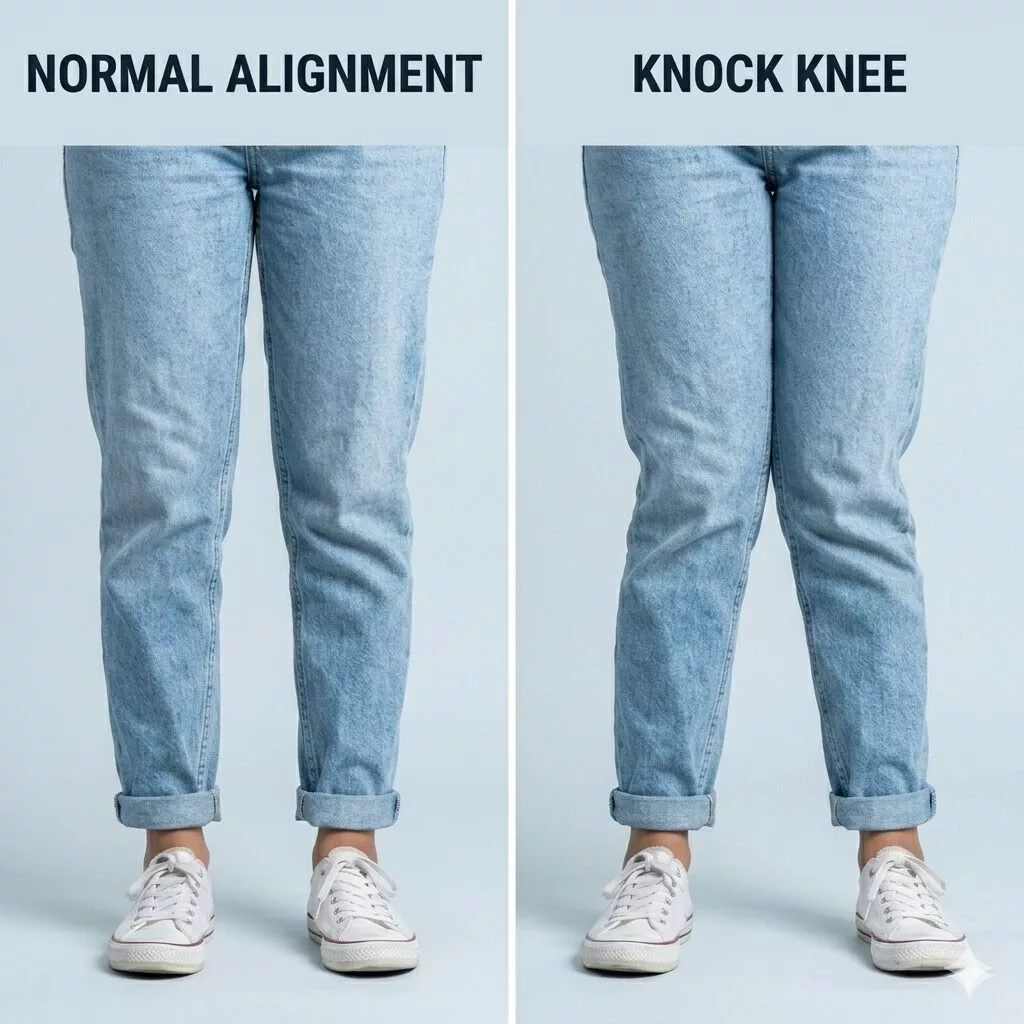
Knock knees, medically known as Genu Valgum, is a common knee alignment condition where the knees touch each other while the ankles remain apart. This condition can affect both children and adults, leading to discomfort, walking issues, and long-term joint complications if not treated properly.

In this comprehensive guide, we will explain everything about knock knees treatment, including causes, symptoms, diagnosis, and the best care options available today.

What is Knock Knees Treatment?

Knock knees treatment refers to a range of medical and non-medical approaches used to correct abnormal knee alignment. The goal is to:

  • Improve leg alignment
  • Reduce pain and discomfort
  • Prevent joint damage
  • Restore normal walking patterns

Knock knees treatment depends on age, severity, and underlying causes. Children often improve naturally with growth, while adults may need structured physiotherapy, lifestyle changes, or surgical correction for proper alignment.

Causes of Knock Knees

Understanding the cause is essential for selecting the right knee treatment approach.

Common Causes in Children

  • Natural growth variations (physiological genu valgum)
  • Nutritional deficiencies like Rickets
  • Genetic conditions
  • Bone development disorders

Causes in Adults

  • Previous injuries (Knee Injury)
  • Arthritis such as Osteoarthritis
  • Obesity causing excess pressure on joints
  • Improper healing of fractures

Other Contributing Factors

  • Weak muscles around the knee
  • Poor posture
  • Lack of physical activity

Symptoms of Knock Knees

Symptoms of knock knees vary by severity and age, including knees touching while standing, gap between ankles, walking difficulty, knee pain, joint stiffness, and in severe cases, imbalance and posture issues..

Common Signs

  • Knees touching while standing straight
  • Gap between ankles
  • Difficulty walking or running
  • Frequent tripping in children

Pain-Related Symptoms

  • Persistent knee pain treatment needs
  • Joint stiffness
  • Swelling around knees
  • Discomfort after long standing

Advanced Symptoms

  • Uneven walking pattern
  • Hip or ankle pain
  • Increased risk of joint degeneration

Risk Factors

Certain individuals are more prone to developing knock knees:

  • Obesity or excess body weight
  • Family history of bone deformities or certain orthopedic disability conditions
  • Poor nutrition (low calcium & vitamin D)
  • Previous knee injury treatment history
  • Sedentary lifestyle
  • Weak thigh and hip muscles

Children who start walking too early or have poor posture may develop knock knees, as their bones and joints are still growing and more prone to alignment issues during early developmental stages.

Diagnosis and Medical Tests

Accurate diagnosis is crucial for effective knock knees treatment adults and children.

Physical Examination

Doctors check:

  • Knee alignment
  • Walking pattern (gait analysis)
  • Distance between ankles

Imaging Tests

  • X-rays: To evaluate bone structure
  • MRI scans: For soft tissue damage
  • CT scans: In complex cases

Advanced Assessment

  • Joint function tests
  • Muscle strength evaluation
  • Alignment measurements

Diagnosis and tests help doctors decide the right treatment approach, whether non-surgical methods like physiotherapy and exercises or surgical correction, ensuring effective knee joint pain treatment and proper alignment..

Treatment Options

Treatment depends on age, severity, and underlying cause.

1. Non-Surgical Treatment (First Line Approach)

a) Knock Knees Treatment Exercise

Exercise plays a key role in correcting alignment.

Recommended exercises:

  • Squats (improve thigh strength)
  • Leg raises
  • Clamshell exercise
  • Resistance band walking
  • Yoga for posture correction

These knock knees treatment exercise methods strengthen muscles around the knee and improve alignment gradually.

b) Physiotherapy

  • Improves mobility and flexibility
  • Strengthens quadriceps and hamstrings
  • Corrects walking posture

Physiotherapy is one of the best treatment for knee pain and alignment issues.

c) Weight Management

  • Reduces stress on knees
  • Improves recovery
  • Prevents worsening of deformity

d) Orthotics and Braces

  • Knee braces help maintain alignment
  • Shoe inserts improve walking balance

2. Medical Treatment

Doctors may recommend:

  • Pain relief medications
  • Anti-inflammatory drugs
  • Supplements (calcium, vitamin D)

These support knee treatment but do not correct alignment alone.

3. Surgical Treatment

For severe cases, surgery may be required.

Types of Surgery

  • Guided growth surgery (for children)
  • Osteotomy (bone realignment)
  • Knee replacement (in advanced adults with arthritis)

Surgery is usually recommended when:

  • Pain is severe
  • Mobility is restricted
  • Non-surgical methods fail

Knock Knee Treatment for Child

Children often improve naturally as they grow. However, treatment may include:

  • Observation and regular monitoring
  • Physical therapy
  • Nutritional support
  • Bracing in some cases

Early diagnosis ensures better outcomes.

Knock Knees Treatment Adults

In adults, correction is more complex and may include:

  • Structured physiotherapy
  • Lifestyle modifications
  • Advanced surgical options

Timely intervention prevents complications like joint damage.

Recovery and Rehabilitation

Recovery depends on the type of treatment.

After Non-Surgical Treatment

  • Regular exercise routine
  • Gradual improvement in alignment
  • Pain reduction within weeks

After Surgery

  • Rehabilitation program for 6–12 weeks
  • Physiotherapy for strength recovery
  • Limited movement initially
  • Full recovery may take 3–6 months

Consistency is key for successful recovery.

Prevention Tips

Preventing knock knees is possible with simple lifestyle changes:

  • Maintain a healthy weight
  • Eat calcium and vitamin D-rich foods
  • Stay physically active
  • Practice good posture
  • Strengthen leg muscles regularly

Early intervention is the best prevention strategy.

When to See a Doctor

Consult a specialist if:

  • Knee pain persists for weeks
  • Walking becomes difficult
  • Knees worsen over time
  • Child’s condition does not improve after age 7
  • Visible deformity increases

Timely medical care helps ensure effective knee joint pain treatment, improves mobility, reduces discomfort, and prevents long-term complications like joint damage, deformity progression, and difficulty in daily activities.

Frequently Asked Questions (FAQs)

Can knock knees be corrected without surgery?

Yes, mild to moderate cases can be corrected with exercises, physiotherapy, and lifestyle changes.

What is the best exercise for knock knees?

Squats, leg raises, and resistance band exercises are highly effective for improving alignment.

Is knock knees normal in children?

Yes, it is common in young children and often corrects naturally by age 7.

When is surgery needed for knock knees?

Surgery is required in severe cases where pain, deformity, or mobility issues persist.

Can knock knees cause long-term problems?

Yes, untreated cases can lead to joint pain, arthritis, and walking difficulties.

Conclusion

Knock knees is a manageable condition when diagnosed early and treated correctly. Whether it’s a child or an adult, proper care, exercises, and medical guidance can significantly improve alignment and quality of life.

From knock knees treatment exercise to advanced surgical procedures, modern medicine offers effective solutions tailored to each patient’s needs. Always consult a qualified orthopedic specialist for the best treatment plan.