
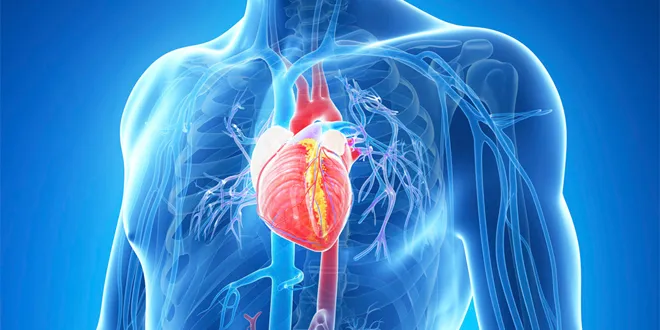
Heart-related problems often develop without clear symptoms, which makes early evaluation & treatment extremely important. Non-invasive cardiology focuses on diagnosing and monitoring heart conditions using safe cardiology tests that do not involve surgery or catheter-based procedures.
Through techniques such as imaging and heart rhythm monitoring, non-invasive cardiology helps assess heart structure, blood flow, and cardiac function accurately. These methods allow cardiologists to detect heart disease early while minimizing risk and discomfort for patients.
People searching for non-invasive cardiology often want clear knowledge about the procedure, the cardiology tests used, the benefits, the cost in India, and how it differs from invasive or interventional cardiology. This guide explains these aspects in a simple, patient-friendly way to support informed decisions.
Non-invasive cardiology focuses on evaluating heart health using diagnostic tests that do not involve surgery, incisions, or instruments entering the blood vessels. These methods help cardiologists assess heart structure, function, and rhythm safely and painlessly.
Because it carries minimal risk, non-invasive cardiology treatment is usually the first and most important step before considering invasive or interventional cardiology procedures.
Non-invasive cardiology relies on advanced yet safe cardiology tests to evaluate overall cardiac health, blood flow, and electrical activity of the heart. These tests help diagnose problems accurately without exposing patients to surgical stress.
These non-invasive cardiology tests help detect heart conditions early, guide treatment decisions, and reduce the need for invasive procedures.
Before the beginning of non-invasive cardiology treatment, doctors conduct a detailed clinical review to choose the most appropriate cardiology tests. This step improves diagnostic accuracy and avoids unnecessary testing.
This structured evaluation ensures that non-invasive cardiology tests are correctly selected and interpreted, resulting in reliable diagnoses and effective heart care planning.
The procedure of non-invasive cardiology is designed to be simple, safe, and comfortable for patients. Most non-invasive cardiology evaluations are performed on an outpatient basis and do not require hospital admission.
Most non-invasive cardiology procedures take 15 to 60 minutes, allowing patients to resume normal activities the same day.
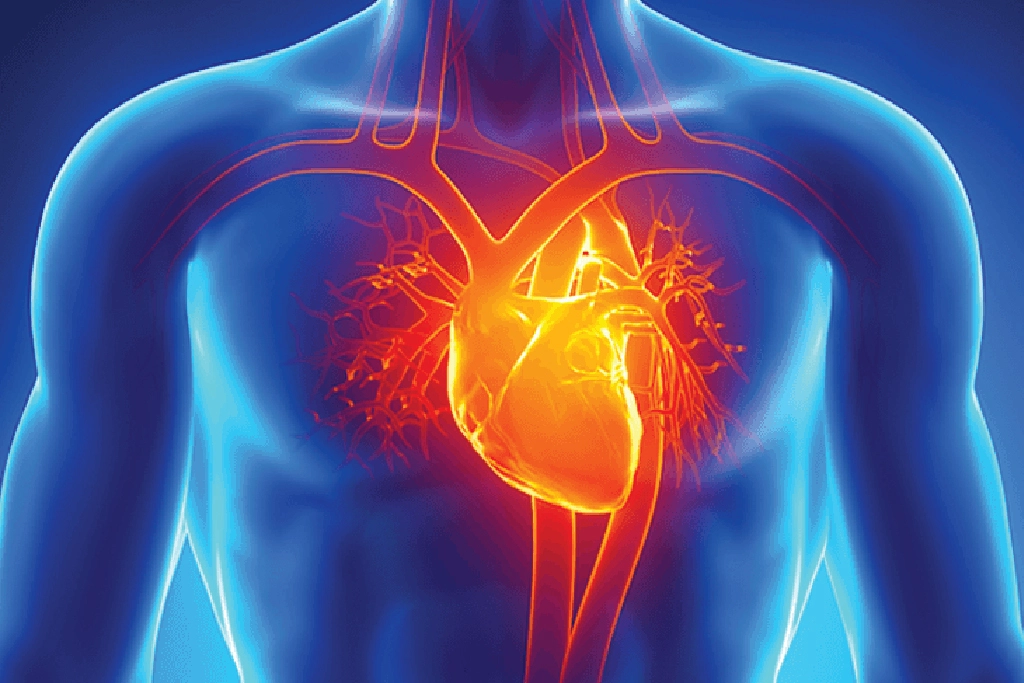
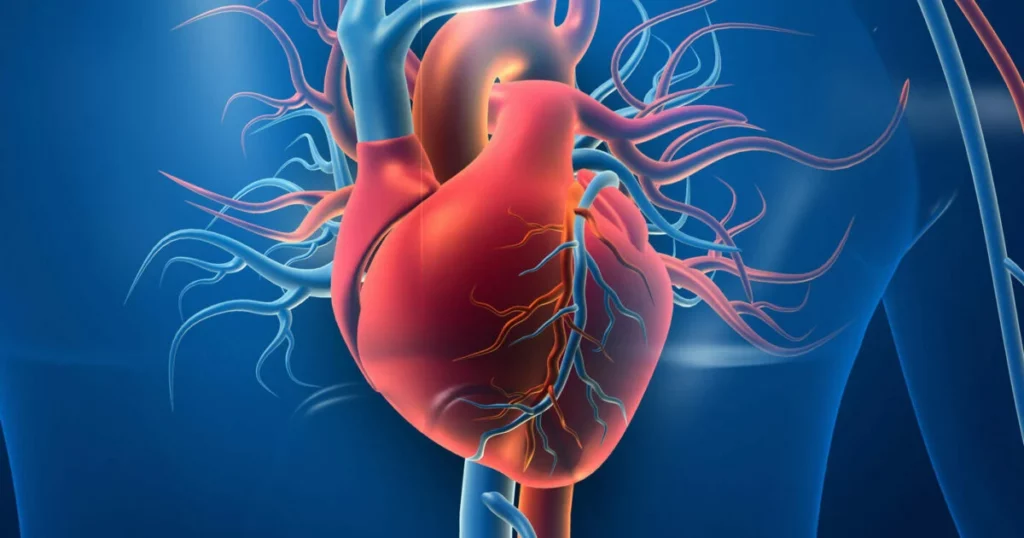
Non-invasive cardiology offers significant advantages, particularly for patients who need early heart evaluation without surgical risk. It is often the first step in diagnosing and monitoring heart disease.
These advantages make non-invasive cardiology treatment a vital part of modern, patient-friendly heart care.
The difference between invasive and non-invasive cardiology lies in the approach to heart evaluation. Non-invasive cardiology uses imaging and monitoring tests without surgery, while invasive cardiology involves catheter-based procedures for diagnosis or treatment.
Aspect | Non-Invasive Cardiology | Invasive Cardiology |
Surgery Required | No | Yes |
Diagnostic Method | Imaging & monitoring | Catheter-based |
Risk Level | Very low | Moderate |
Recovery Time | Same day | Several days |
Usage | Diagnosis & monitoring | Treatment & intervention |
In most cases, non-invasive cardiology is used first, while invasive cardiology is recommended only when further intervention is necessary.
Non-invasive cardiology is recommended for individuals who have symptoms or risk factors related to heart disease, even if the symptoms appear mild.
Non-invasive cardiology tests are also widely used for routine heart screening, helping detect early cardiac abnormalities and guide timely treatment before serious complications develop.

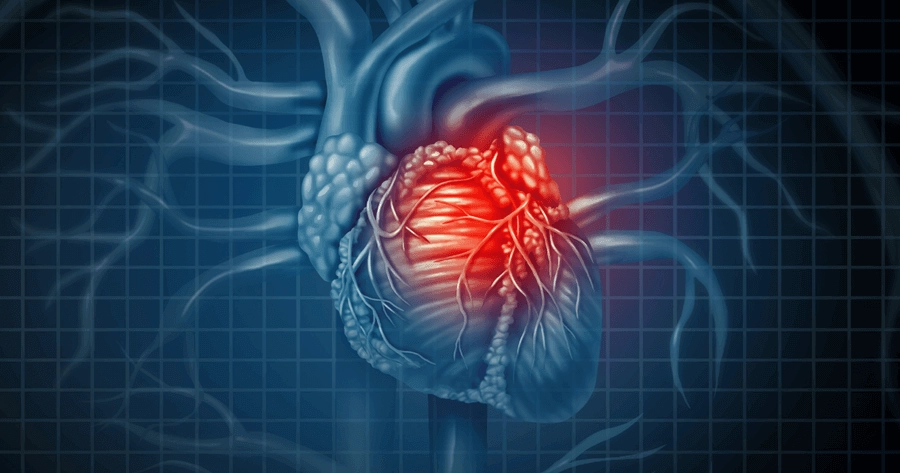
The non-invasive cardiology treatment approach focuses on understanding heart function and managing risk without surgical intervention. It plays an important role in preventive and long-term heart care.
Based on these findings, cardiologists can determine whether continued non-invasive care is sufficient or if invasive cardiology procedures are required.
The non-invasive cardiology cost in India is generally affordable and varies based on the type and number of diagnostic tests required. These tests help evaluate heart health without surgery, making them a cost-effective option for early diagnosis and routine screening.
Overall, non-invasive cardiology remains significantly more affordable than invasive heart procedures while providing accurate and reliable cardiac assessment.
Non-invasive cardiology plays a crucial role in early heart disease detection, ongoing monitoring, and preventive care. By using safe and accurate cardiology tests, doctors can identify heart problems before they progress into serious conditions.
Understanding the procedure, benefits, and cost of non-invasive cardiology in India helps patients make informed decisions about heart health. These non-invasive cardiology tests offer reliable diagnosis, minimal risk, and cost-effective evaluation while avoiding unnecessary surgical or catheter-based procedures.
