
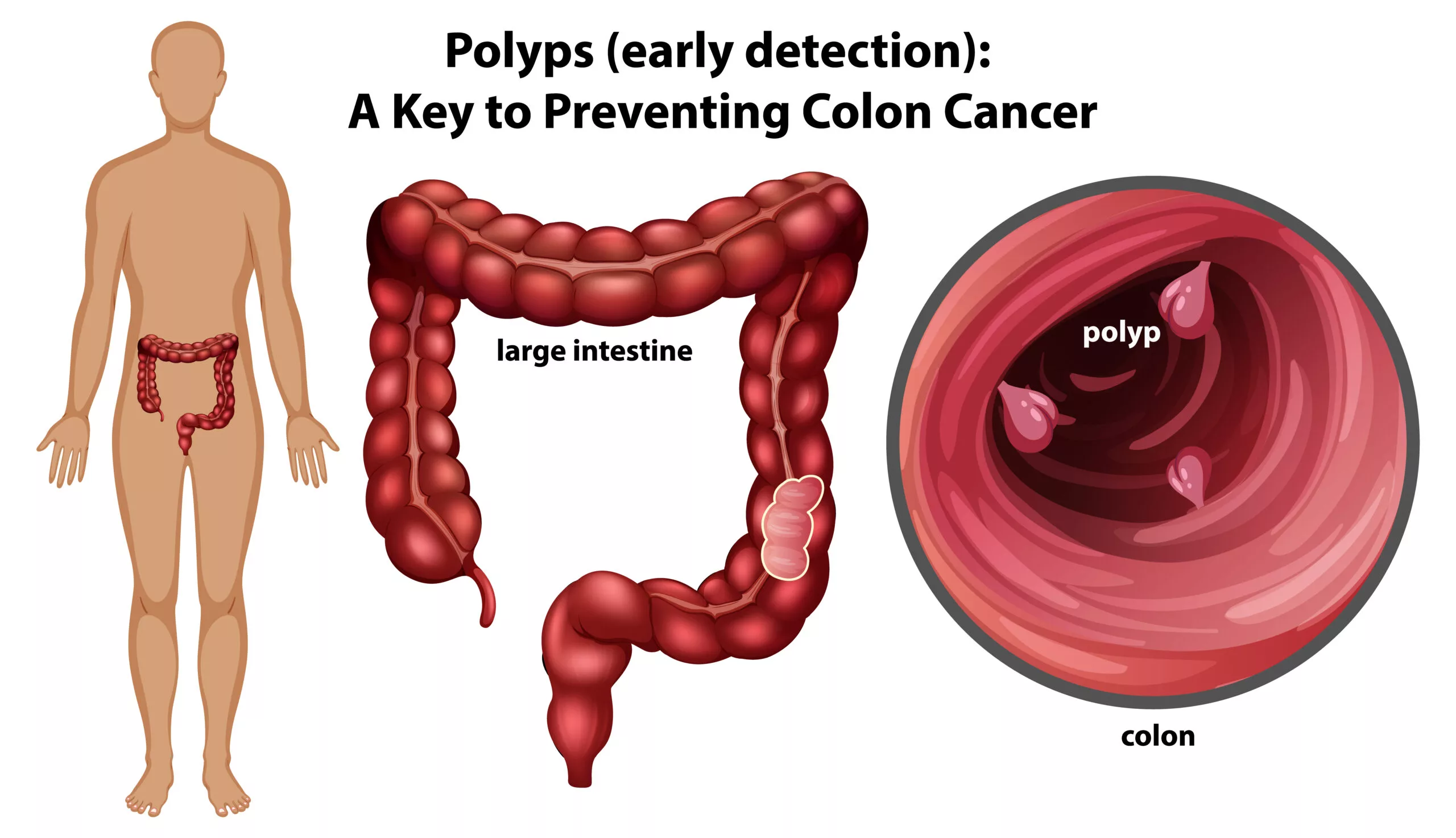
Piles, also known as hemorrhoids, are one of the most common health problems affecting people of all ages. Most cases of piles can be managed with simple lifestyle changes and medication, but sometimes a piles operation becomes the only effective way to get lasting relief.
A quick look at what this guide covers:
● What piles are and how they progress through four stages
● Whether piles are actually dangerous if left untreated
● Non-surgical treatment for piles that works in the early stages
● Clear signs that surgery may be the better option
● The different types of piles operation available today
● What piles operation cost usually depends on
● Five common questions patients ask before surgery
Piles are swollen veins located in and around the lower rectum and anus. They develop due to increased pressure in this area, often caused by straining during bowel movements, chronic constipation, pregnancy, obesity, or a low-fiber diet.
Piles can be internal or external, and their severity is usually classified into four stages. Understanding your stage helps your doctor decide whether surgery is necessary or whether conservative care is enough. This matters because early management can often prevent the condition from progressing to a point where an operation becomes unavoidable.
Many people wonder, is piles dangerous, especially when they first notice symptoms like bleeding or discomfort. In most cases, piles are not life-threatening. However, if left untreated, they can lead to complications such as:
● Chronic bleeding and anemia
● Painful blood clots (thrombosed piles)
● Infection
● Prolapse, where the piles protrude permanently outside the anus
● Severe pain that affects daily activities
So while the answer to is piles dangerous is generally “not directly,” ignoring the condition for too long can make it harder to treat and may eventually require surgical intervention instead of simple medication.
The first stage of piles is the mildest form. At this point, internal piles are small, and the only symptom may be slight bleeding during bowel movements. There is no prolapse or protrusion.
If detected early, the first stage of piles usually responds well to dietary changes, increased fluid intake, and topical treatment for piles. Doctors rarely recommend a piles operation at this stage unless there are unusual complications.
As piles progress to stage two, three, and four, symptoms worsen — prolapse becomes more frequent, bleeding increases, and pain intensifies. By stage three or four, surgery is often the most reliable way to resolve the problem permanently, since the tissue changes at this point rarely reverse on their own.
Not everyone with piles needs an operation. Doctors usually start with conservative piles treatment before considering surgery. Common non-surgical treatment for piles includes:
● High-fiber diet and increased water intake
● Stool softeners to reduce straining
● Topical creams and ointments for pain relief
● Sitz baths for soothing inflammation
● Minimally invasive procedures like rubber band ligation, sclerotherapy, or infrared coagulation
These methods work well for early-stage piles. However, when symptoms persist or worsen despite proper treatment for piles, your doctor may recommend a piles operation as the next step
A piles operation is generally recommended when non-surgical treatment for piles fails to provide relief, or when the condition has advanced significantly. Your doctor may suggest a piles operation if you experience the following.
● Persistent or heavy bleeding that leads to anemia
● Piles that prolapse and do not go back inside on their own
● Severe pain that does not improve with medication
● Thrombosed external piles causing intense discomfort
● Recurrent piles despite multiple non-surgical treatments
● Piles combined with other conditions like fistula or fissure
If you notice several of these signs together, it is a strong indication that a piles operation may be the right course of action rather than continuing with medication alone.
Piles surgery is typically considered for patients with grade three or grade four piles, or for those whose quality of life is significantly affected by ongoing symptoms. People with a family history of complicated piles, or those who have already tried multiple rounds of treatment for piles without success, are also good candidates for surgical intervention. Patients with certain health conditions, such as uncontrolled diabetes or bleeding disorders, may need additional evaluation before their surgeon confirms which procedure is safest for them.
There isn’t just one way to perform this surgery. Depending on the severity, location, and your overall health, your surgeon will recommend the most suitable procedure. The three most common approaches are described below, each with its own benefits and recovery timeline.
A laser operation for piles is one of the most popular modern techniques. It uses focused laser energy to shrink and seal off the swollen tissue without traditional cutting.
Laser treatment for piles is known for:
● Minimal bleeding during the procedure
● Shorter hospital stay, often same-day discharge
● Faster recovery compared to traditional surgery
● Less post-operative pain
Because of these benefits, many patients now prefer laser treatment for piles over conventional methods, especially for grade two and three piles.
Stapler surgery for piles, also called procedure for prolapse and hemorrhoids (PPH), uses a circular stapling device to reposition prolapsed tissue and cut off blood supply to the piles. Stapler surgery for piles is usually less painful than traditional surgery because it does not involve cutting sensitive skin near the anus. Recovery time is also generally quicker.
Traditional piles surgery, known as hemorrhoidectomy, involves surgically removing the swollen tissue. It remains the most effective option for severe or complicated cases, particularly grade four piles. While recovery takes longer than laser or stapler methods, this approach offers a very low recurrence rate and remains the gold standard for the most advanced cases.
One of the biggest concerns for patients is piles operation cost. The overall piles.
operation cost depends on several factors:
● Type of procedure chosen (laser, stapler, or traditional)
● Severity and grade of piles
● Hospital or clinic location and reputation
● Surgeon’s experience and expertise
● Length of hospital stay
● Pre- and post-operative care included in the package
Generally, piles laser treatment cost tends to be higher than traditional surgery due to the advanced equipment involved, though it often balances out with a shorter recovery
period and fewer follow-up visits. Similarly, piles surgery cost for stapler procedures usually falls between laser and traditional methods. It’s a good idea to discuss the complete piles operation cost, including consultation, anesthesia, procedure, and follow-up charges, with your hospital before proceeding.
Recovery after a piles operation varies depending on the technique used. Here are some general expectations:
● Mild to moderate discomfort for the first few days
● Prescribed pain relief and stool softeners to ease bowel movements
● A high-fiber diet to prevent constipation and straining
● Follow-up visits to monitor healing
● Gradual return to normal activities within one to three weeks
Following your doctor’s post-surgical instructions closely can significantly reduce complications and speed up recovery after your piles operation.
