
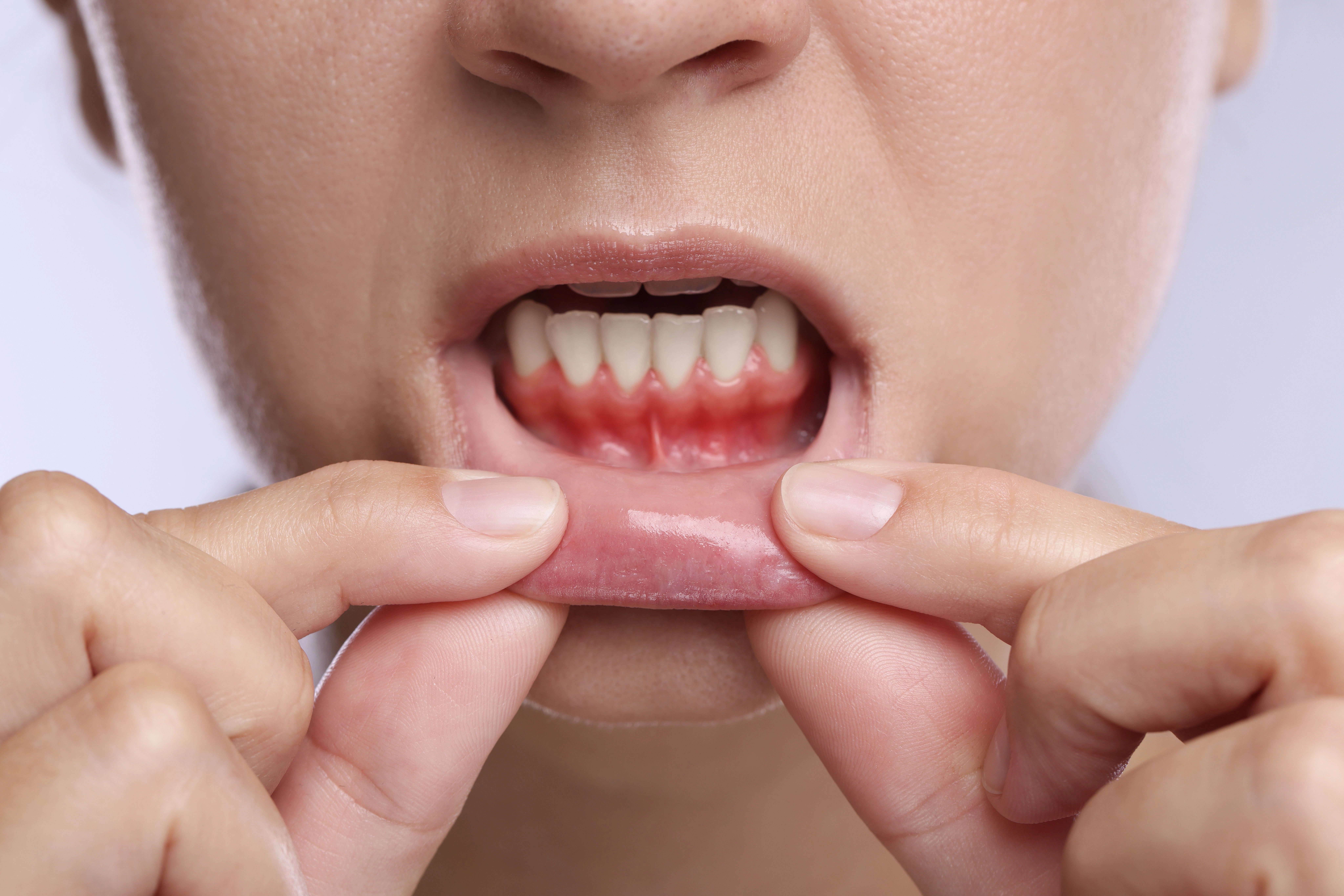
Swollen gums are a common problem that many people face at some point. Understanding the reason for swollen gums can help you treat the issue early and avoid bigger dental problems later. This guide covers the main causes, symptoms, and simple ways to find relief.
There are several everyday factors that can lead to gum swelling. Below are the most common ones.
Poor Oral Hygiene
Not brushing or flossing enough lets plaque build up along the gum line. This plaque irritates the gums and is one of the most frequent causes of gum swelling. Over time, it can also lead to bad breath and tooth decay.
Gum Disease and Infection
Gingivitis and periodontitis are two common gum diseases. Both are a major reason for swollen gums and can cause redness, tenderness, and bleeding gums causes if left untreated.
Vitamin Deficiency
A lack of Vitamin C or Vitamin K in your diet can weaken gum tissue. This makes gums more prone to swelling and gum pain. Eating fresh fruits and leafy greens can help prevent this.
Hormonal Changes
Pregnancy, puberty, and menstruation can all cause hormonal shifts. These changes increase blood flow to the gums, which is a lesser-known reason for swollen gums, especially in women.
Ill-Fitting Dentures or Braces
Dental tools that don’t fit well can rub against the gums. This constant friction often leads to tooth gum pain and swelling around the affected area.
Besides the points above, a few other factors can also trigger gum swelling:
Knowing the symptoms helps you spot the problem early. Common signs include:
Simple home care can often ease mild swelling. Try these steps for gum pain relief:
If swelling lasts more than a week, or if you notice heavy bleeding, pus, or loose teeth, it’s time to see a dentist. A professional can find the exact reason for swollen gums and suggest the right treatment before it turns into a bigger issue.
Swollen gums are usually a sign that something needs attention, whether it’s better brushing habits, a diet change, or a dental checkup. By understanding the reason for swollen gums, you can take quick action and keep your smile healthy for the long run.
