
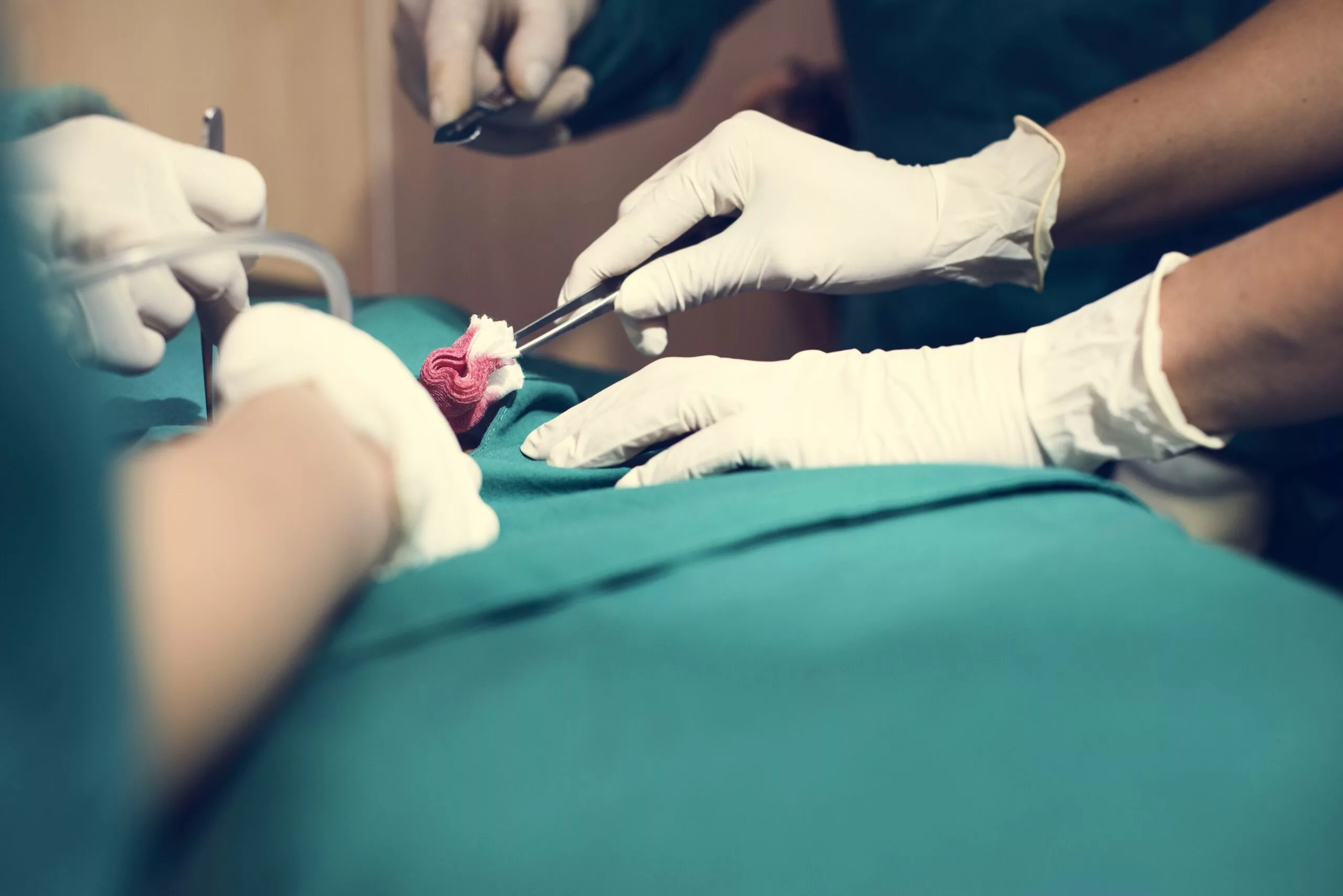
Piles, medically known as hemorrhoids, affect a large number of adults at some point in their lives. When home care and medicines fail to bring relief, doctors often recommend surgery. One of the most popular modern options is stapler surgery for piles.
This blog explains what this procedure is, why it is done, and what patients can expect before, during, and after treatment. We will also cover causes, symptoms, risk factors, diagnosis, treatment options, recovery, and prevention tips.
Whether you are exploring piles surgery for the first time or comparing it with laser surgery for piles, this guide will help you understand the process in simple terms.
Also called Procedure for Prolapse and Hemorrhoids (PPH), this technique is a surgical method used to treat internal piles. Instead of cutting the swollen tissue directly, a circular stapling device repositions the prolapsed hemorrhoidal tissue back into the anal canal.
The stapler also cuts off the blood supply to the piles, causing them to shrink over time. This is different from traditional hemorrhoidectomy, which physically removes the piles tissue.
How This Procedure Works
Because this technique does not involve cutting the sensitive skin around the anus, it is generally linked with less pain compared to conventional piles surgery.
Understanding the causes helps explain why doctors may suggest surgical treatment instead of home remedies alone. Common causes include:
These factors increase pressure on the veins in the rectal and anal area, leading to swelling and prolapse. When lifestyle changes and medicines cannot control the swelling, a surgical option becomes practical.
Piles symptoms can range from mild irritation to significant discomfort. Typical signs include:
If these symptoms persist despite home remedies, a doctor may evaluate whether piles surgery, including this stapling technique, is appropriate.
This procedure is usually recommended for Grade II and Grade III piles.
Certain factors raise the likelihood of developing piles severe enough to need surgical treatment:
Patients with these risk factors are more likely to ask whether piles can be cured without surgery, but in advanced cases, surgical options remain the most reliable path to relief.
Before recommending this treatment, a doctor performs a thorough evaluation.
These tests help the surgeon grade the piles accurately and decide whether this stapling technique, laser surgery for piles, or conservative treatment is the best fit for the patient.
Treatment for piles depends on severity, symptoms, and patient preference. Options range from lifestyle changes to advanced surgical techniques.
Many patients search for how to get rid of piles without surgery or how to remove piles without surgery, especially for mild cases. External piles treatment without surgery, such as dietary changes and topical medication, can work well for Grade I piles.
Comparing This Stapling Technique with Laser Surgery for Piles
Aspect | This Stapling Technique | Laser Surgery for Piles |
Technique | Circular stapling device | Laser energy application |
Pain level | Low to moderate | Low |
Recovery time | 1–2 weeks | 1–2 weeks |
Best suited for | Grade II–III prolapse | Grade I–III piles |
Some patients ask about disadvantages of laser surgery for piles, such as higher equipment cost and possible recurrence in advanced cases. This stapling technique is often preferred when there is significant prolapse, since it addresses the structural repositioning of tissue.
Piles surgery cost varies by hospital, city, surgeon expertise, and technique used. Generally:
It is best to consult your surgeon and hospital for an accurate estimate based on your specific case.
Recovery after this procedure is generally faster and less painful than traditional hemorrhoidectomy, since it avoids cutting the sensitive perianal skin.
After Piles Surgery: What to Expect
After Piles Surgery How Many Days Rest
Most patients need about 1 to 2 weeks of rest before resuming normal activities. Desk-based work may be possible within a week, while physically demanding jobs may require a longer break.
Piles Laser Surgery Recovery Time
For comparison, piles laser surgery recovery time is also typically around 1 to 2 weeks, though individual healing varies based on overall health and how well post-operative instructions are followed.
Tips for Faster Recovery
While not all cases of piles can be prevented, certain habits lower the risk of recurrence after any surgical treatment.
Many people wonder can piles be cured permanently without surgery. In mild cases, consistent lifestyle changes can manage symptoms long-term, but moderate to severe prolapse often needs a surgical procedure for lasting relief.
Consult a doctor if you notice:
Early consultation helps your doctor decide between conservative treatment, laser surgery for piles, or this stapling technique before the condition worsens.
This procedure is a widely used, minimally invasive option for treating prolapsed internal hemorrhoids. It offers a shorter recovery period and less pain compared to conventional surgery, making it a preferred choice for many patients with Grade II and Grade III piles.
If you are dealing with persistent piles symptoms, speak with a colorectal specialist to understand whether stapler surgery for piles, laser surgery, or non-surgical care suits your condition best.
