
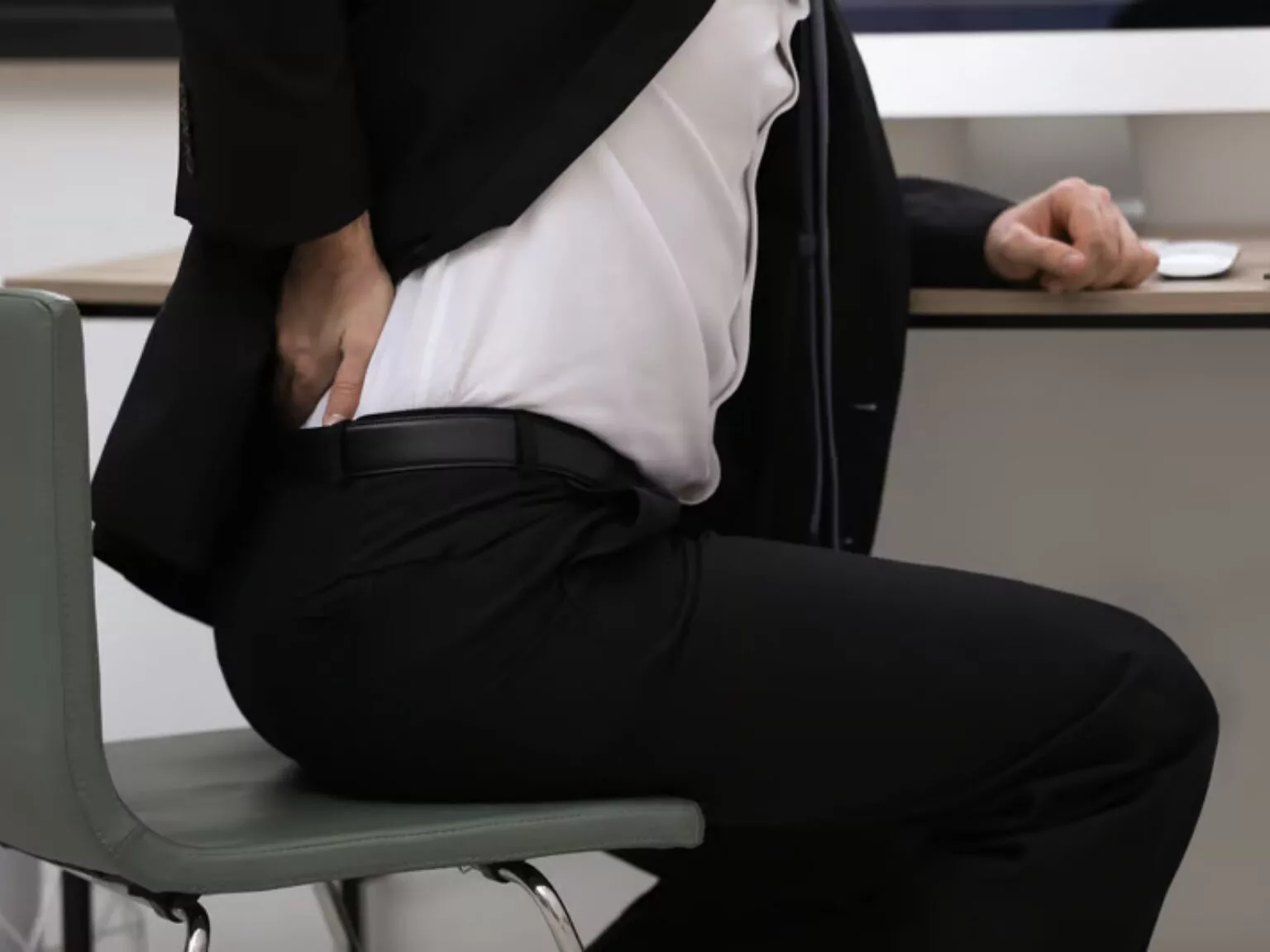
Tail bone pain can make daily life uncomfortable. Sitting, bending, standing for long periods, or changing posture may become painful. The good news is that the right Tail Bone Pain Exercise routine can reduce discomfort, improve flexibility, strengthen supporting muscles, and support recovery naturally.
The tail bone, also called the coccyx, sits at the bottom of the spine. It helps support body weight while sitting and provides attachment for muscles, tendons, and ligaments. When this area becomes irritated or injured, even simple movements can feel difficult.
This complete guide explains safe exercises, causes of pain, treatment options, precautions, and when to seek medical care.
Tail bone pain is discomfort around the coccyx area at the lower end of the spine. Doctors often call it coccydynia. It may happen suddenly after a fall or develop slowly from poor posture, prolonged sitting, childbirth, obesity, or repetitive strain.
Many people search for relief because tail bone pain can affect:
A structured Tail Bone Pain Exercise plan can help many mild to moderate cases.
Understanding the cause is important before starting exercises. Some common bone pain reason factors include:
Landing on the buttocks can bruise or inflame the coccyx.
Leaning backward on hard chairs increases pressure on the tail bone.
Delivery may strain ligaments around the coccyx.
Tight pelvic floor muscles, glutes, or lower back muscles may worsen symptoms.
Age-related joint wear can create lower back bone pain and coccyx irritation.
Both can affect pressure distribution while sitting.
Infection, cyst, fracture, tumor, or referred pain from the lumbar spine.
You may notice:
Sometimes people confuse it with hip bone pain or lower spine problems.
A proper Tail Bone Pain Exercise program can:
This gentle movement strengthens the core and supports the lower spine.
How to Do:
Benefit:
Helpful for lower back bone pain and pelvic support.
Improves spinal mobility and reduces tension.
How to Do:
Benefit:
Relieves spinal stiffness and posture-related pain.
A relaxing stretch for the lower back and pelvis.
How to Do:
Benefit:
Excellent for tension-related coccyx discomfort.
Strengthens hips and glutes to reduce pressure on tail bone.
How to Do:
Benefit:
Supports pelvic stability and reduces hip bone pain.
Tight buttock muscles can worsen tail bone pain.
How to Do:
Great for desk workers.
How to Do:
Simple walking increases circulation and reduces stiffness.
Start With:
Avoid these until pain improves:
Along with Tail Bone Pain Exercise, treatment may include:
Tail bone pain treatment depends on the actual cause.
Sometimes yes. Pain around the tail bone may be confused with:
If pain spreads widely, proper evaluation is needed.
Many people search bone marrow biopsy pain, but that is a separate medical procedure pain and not directly linked to tail bone pain. However, any deep pelvic or lower back discomfort should be medically assessed if unusual.
Healthy weight reduces tail bone pressure.
Consult a specialist if you have:
Recovery depends on cause:
Consistency with Tail Bone Pain Exercise often speeds recovery.
To avoid future pain:
Tail bone pain can disturb comfort, sleep, work, and movement. The right Tail Bone Pain Exercise routine helps improve mobility, reduce stiffness, and support healing naturally. Gentle stretching, posture correction, walking, and strengthening exercises are usually the safest starting point. If symptoms continue or worsen, seek professional medical care to identify the real cause and get proper treatment. For expert diagnosis, physiotherapy, and advanced orthopedic care, you can consult Numed Hospital.
