
Severe Headache: Signs, Causes & Treatment
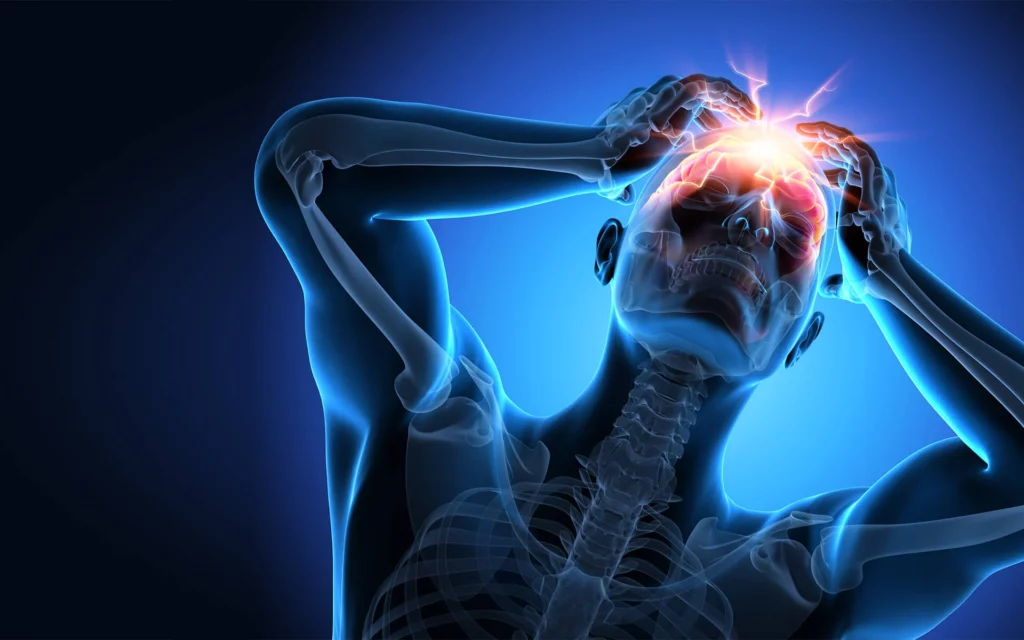
Epilepsy Treatment in Delhi: Understanding Causes, Symptoms & Modern Treatment Options Epilepsy is one of the most common neurological conditions worldwide, affecting people of all ages. With advanced medical facilities and expert neurologists, epilepsy treatment in Delhi has become more accessible, accurate, and result-oriented. This blog explains the causes, symptoms, diagnosis, and modern treatment options so patients and families can understand the condition better and seek timely care. What Is Epilepsy? Epilepsy is a neurological disorder where the brain experiences sudden bursts of abnormal electrical activity. These episodes are called seizures, and they can range from mild to severe. How Common Is Epilepsy? Data Point Statistics Global epilepsy cases Around 50 million Epilepsy cases in India Around 10 million Patients who become seizure-free with medications 70% Epilepsy with unknown cause 40–50% Children affected 1 in every 4 epilepsy patients Common Causes of Epilepsy There are multiple reasons why epilepsy may develop. Sometimes, the cause can be identified clearly; other times, it may remain unknown. 1. Genetic Causes Some types of epilepsy are hereditary. If the condition runs in the family, the chances may increase, although many people with genetic changes do not develop seizures. 2. Structural Changes in the Brain This group includes conditions such as: Stroke Brain tumor Traumatic head injury Birth injury Brain infections (like meningitis or encephalitis) These conditions can disrupt normal brain functions and trigger seizures. 3. Developmental Disorders Children with autism, ADHD, or other developmental conditions may have a higher chance of experiencing seizures. 4. Unknown Causes In nearly half of all cases, the exact cause remains unclear. But even with an unknown cause, treatment can still be highly effective. Symptoms of Epilepsy Symptoms vary depending on the part of the brain involved. Common signs include: Sudden jerking movements Loss of awareness Staring spells Confusion after an episode Uncontrolled shaking Temporary loss of memory If someone experiences repeated seizures, they should immediately consult a neurologist for epilepsy treatment in Delhi. Types of Seizures Seizure Type Description Duration Generalized Seizures Affect both sides of the brain Few seconds to minutes Focal Seizures Begin in one part of the brain 10 seconds–2 minutes Absence Seizures Brief staring episodes 5–20 seconds Tonic-Clonic Seizures Intense shaking and loss of consciousness 1–3 minutes Understanding the seizure type helps doctors plan personalized treatment. How Epilepsy Is Diagnosed Accurate diagnosis is the first step toward effective management. Hospitals offering the best epilepsy treatment in Delhi follow a structured approach: Diagnostic Tests Used Test Purpose EEG (Electroencephalogram) Detects abnormal brain activity MRI Brain Shows structural brain problems CT Scan Helps identify injuries, bleeding, tumors Blood Tests Detect infections or metabolic issues These tests help determine the cause, the seizure type, and the best treatment approach. Modern Treatment Options for Epilepsy 1. Anti-Seizure Medications Nearly 70% of patients respond well to medications when taken regularly. Your neurologist adjusts the dosage based on age, weight, and seizure type. 2. Surgical Treatment When medications don’t control seizures, surgery may be recommended. Delhi has advanced neurosurgical units that offer: Temporal lobe surgery Focal resection Lesion removal These procedures can significantly reduce or completely stop seizures. 3. Vagus Nerve Stimulation (VNS) A small device is implanted under the skin to reduce seizure frequency. 4. Ketogenic Diet A medically supervised high-fat, low-carb diet used especially in children who don’t respond to medications. 5. Lifestyle Management Adequate sleep Stress control Avoiding alcohol Taking medications on time These habits support long-term seizure control. Why Delhi Is a Leading Hub for Epilepsy Care Delhi is considered one of the best cities for epilepsy care due to: Advantages Details Expert Neurologists & Neurosurgeons Specialists trained in advanced epilepsy management Advanced Neurodiagnostic Facilities EEG, Video EEG Monitoring, 3T MRI Integrated Care Approach Neurology + Neurosurgery + Psychology Access to Modern Treatments VNS, epilepsy surgery, advanced medications This is why many patients search for the best hospital for epilepsy treatment in Delhi and trust the city’s healthcare expertise. When to Seek Immediate Medical Help Visit the nearest hospital if: Seizure lasts more than 5 minutes Repeated seizures occur without recovery The patient is injured during a seizure Breathing becomes difficult It is the first seizure in a person’s life Early treatment can save lives. Living With Epilepsy With modern advancements, epilepsy is completely manageable. Patients receiving epilepsy treatment in Delhi can lead normal, active, and productive lives when they follow care plans regularly. Key tips include: Take medicines on time Avoid triggers Maintain proper sleep Regular follow-up with neurologists When You Should See a Neurologist? Seek medical help if you experience: Repeated seizures Frequent unexplained blackouts Jerking movements during sleep Sudden confusion Memory issues after episodes Early evaluation improves long-term outcomes and reduces complications. Moving Toward Safer, More Effective Epilepsy Care Epilepsy is a treatable neurological condition, and early diagnosis plays a major role in long-term control. With expert neurologists, modern technologies, and comprehensive care, epilepsy treatment in Delhi offers hope and confidence to patients and families. Choosing the right medical center ensures better recovery, improved quality of life, and long-term seizure control. FAQs (Frequently Asked Questions) What is epilepsy? Epilepsy is a neurological condition where a person experiences repeated seizures due to abnormal electrical activity in the brain. It can affect people of any age. What causes epilepsy? Epilepsy may be caused by head injury, infections, stroke, genetic factors, brain tumors, or developmental issues. In many cases, the exact cause is not known. How is epilepsy diagnosed? Doctors diagnose epilepsy by reviewing medical history, symptoms, and tests like EEG, MRI, and CT scans. These tests help identify seizure patterns and possible triggers. Is surgery needed for epilepsy? Surgery is recommended only when medicines do not control seizures. It is suggested after detailed evaluation by epilepsy specialists. How long does epilepsy treatment take to work? This varies by patient. Many people see improvement within weeks of starting medication, while others need adjustments over time. What are the treatment options for epilepsy? Treatment includes anti-seizure medications, lifestyle changes, nerve stimulation therapy, and in selected cases,
Epilepsy Treatment in Delhi: Understanding Causes, Symptoms & Modern Treatment Options
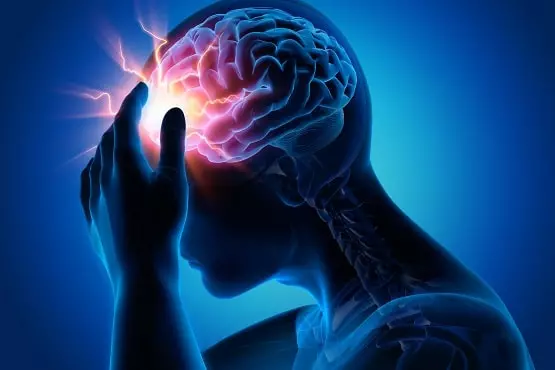
Epilepsy Treatment in Delhi: Causes, Symptoms & Care Options Home / Epilepsy is one of the most common neurological conditions worldwide, affecting people of all ages. With advanced medical facilities and expert neurologists, epilepsy treatment in Delhi has become more accessible, accurate, and result-oriented. This blog explains the causes, symptoms, diagnosis, and modern treatment options so patients and families can understand the condition better and seek timely care. What Is Epilepsy? Epilepsy is a neurological disorder where the brain experiences sudden bursts of abnormal electrical activity. These episodes are called seizures, and they can range from mild to severe. How Common Is Epilepsy? Data Point Statistics Global epilepsy cases Around 50 million Epilepsy cases in India Around 10 million Patients who become seizure-free with medications 70% Epilepsy with unknown cause 40–50% Children affected 1 in every 4 epilepsy patients Common Causes of Epilepsy There are multiple reasons why epilepsy may develop. Sometimes, the cause can be identified clearly; other times, it may remain unknown. 1. Genetic Causes Some types of epilepsy are hereditary. If the condition runs in the family, the chances may increase, although many people with genetic changes do not develop seizures. 2. Structural Changes in the Brain This group includes conditions such as: Stroke Brain tumor Traumatic head injury Birth injury Brain infections (like meningitis or encephalitis) These conditions can disrupt normal brain functions and trigger seizures. 3. Developmental Disorders Children with autism, ADHD, or other developmental conditions may have a higher chance of experiencing seizures. 4. Unknown Causes In nearly half of all cases, the exact cause remains unclear. But even with an unknown cause, treatment can still be highly effective. Symptoms of Epilepsy Symptoms vary depending on the part of the brain involved. Common signs include: Sudden jerking movements Loss of awareness Staring spells Confusion after an episode Uncontrolled shaking Temporary loss of memory If someone experiences repeated seizures, they should immediately consult a neurologist for epilepsy treatment in Delhi. Types of Seizures Seizure Type Description Duration Generalized Seizures Affect both sides of the brain Few seconds to minutes Focal Seizures Begin in one part of the brain 10 seconds–2 minutes Absence Seizures Brief staring episodes 5–20 seconds Tonic-Clonic Seizures Intense shaking and loss of consciousness 1–3 minutes Understanding the seizure type helps doctors plan personalized treatment. How Epilepsy Is Diagnosed Accurate diagnosis is the first step toward effective management. Hospitals offering the best epilepsy treatment in Delhi follow a structured approach: Diagnostic Tests Used Test Purpose EEG (Electroencephalogram) Detects abnormal brain activity MRI Brain Shows structural brain problems CT Scan Helps identify injuries, bleeding, tumors Blood Tests Detect infections or metabolic issues These tests help determine the cause, the seizure type, and the best treatment approach. Modern Treatment Options for Epilepsy 1. Anti-Seizure Medications Nearly 70% of patients respond well to medications when taken regularly. Your neurologist adjusts the dosage based on age, weight, and seizure type. 2. Surgical Treatment When medications don’t control seizures, surgery may be recommended. Delhi has advanced neurosurgical units that offer: Temporal lobe surgery Focal resection Lesion removal These procedures can significantly reduce or completely stop seizures. 3. Vagus Nerve Stimulation (VNS) A small device is implanted under the skin to reduce seizure frequency. 4. Ketogenic Diet A medically supervised high-fat, low-carb diet used especially in children who don’t respond to medications. 5. Lifestyle Management Adequate sleep Stress control Avoiding alcohol Taking medications on time These habits support long-term seizure control. Why Delhi Is a Leading Hub for Epilepsy Care Delhi is considered one of the best cities for epilepsy care due to: Advantages Details Expert Neurologists & Neurosurgeons Specialists trained in advanced epilepsy management Advanced Neurodiagnostic Facilities EEG, Video EEG Monitoring, 3T MRI Integrated Care Approach Neurology + Neurosurgery + Psychology Access to Modern Treatments VNS, epilepsy surgery, advanced medications This is why many patients search for the best hospital for epilepsy treatment in Delhi and trust the city’s healthcare expertise. When to Seek Immediate Medical Help Visit the nearest hospital if: Seizure lasts more than 5 minutes Repeated seizures occur without recovery The patient is injured during a seizure Breathing becomes difficult It is the first seizure in a person’s life Early treatment can save lives. Living With Epilepsy With modern advancements, epilepsy is completely manageable. Patients receiving epilepsy treatment in Delhi can lead normal, active, and productive lives when they follow care plans regularly. Key tips include: Take medicines on time Avoid triggers Maintain proper sleep Regular follow-up with neurologists When You Should See a Neurologist? Seek medical help if you experience: Repeated seizures Frequent unexplained blackouts Jerking movements during sleep Sudden confusion Memory issues after episodes Early evaluation improves long-term outcomes and reduces complications. Moving Toward Safer, More Effective Epilepsy Care Epilepsy is a treatable neurological condition, and early diagnosis plays a major role in long-term control. With expert neurologists, modern technologies, and comprehensive care, epilepsy treatment in Delhi offers hope and confidence to patients and families. Choosing the right medical center ensures better recovery, improved quality of life, and long-term seizure control. FAQs (Frequently Asked Questions) What is epilepsy? Epilepsy is a neurological condition where a person experiences repeated seizures due to abnormal electrical activity in the brain. It can affect people of any age. What causes epilepsy? Epilepsy may be caused by head injury, infections, stroke, genetic factors, brain tumors, or developmental issues. In many cases, the exact cause is not known. How is epilepsy diagnosed? Doctors diagnose epilepsy by reviewing medical history, symptoms, and tests like EEG, MRI, and CT scans. These tests help identify seizure patterns and possible triggers. Is surgery needed for epilepsy? Surgery is recommended only when medicines do not control seizures. It is suggested after detailed evaluation by epilepsy specialists. How long does epilepsy treatment take to work? This varies by patient. Many people see improvement within weeks of starting medication, while others need adjustments over time. What are the treatment options for epilepsy? Treatment includes anti-seizure medications, lifestyle changes, nerve stimulation therapy, and in selected cases,
Heart Disease: Signs, Causes & Treatment
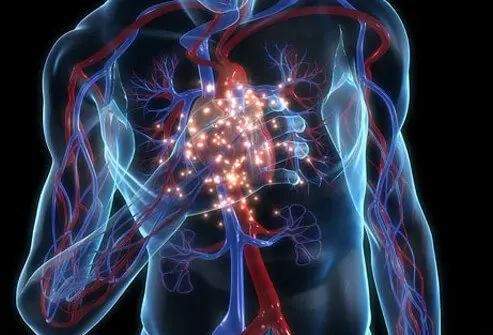
Heart Disease: Signs, Causes & Treatment Home / Heart disease is one of the leading causes of death globally, responsible for millions of cases each year. It affects the heart’s ability to function properly, resulting in symptoms like chest pain, breathlessness, irregular heartbeat, fatigue, and more. Identifying early signs and understanding the key causes of heart disease can help people seek timely medical attention and prevent life-threatening complications. In many cases, heart disease develops silently over years. Lifestyle choices, genetics, and underlying health issues all play a role. This guide breaks down the early warning signs, major causes, and treatment options for heart disease — supported by current medical insights and practical examples. How Common Is Heart Disease? Here’s a quick global and national overview: Statistic Data (2024) Source Global deaths due to heart disease 17.9 million per year WHO Indians affected by heart disease 54 million+ ICMR Average age of first heart attack in India 45–50 years AIIMS Percentage of lifestyle-related heart issues 80% CDC These numbers highlight why early detection and lifestyle awareness are essential. Early Signs of Heart Disease Heart disease doesn’t always begin with sudden chest pain. Many symptoms start slowly and are often ignored. Below are the early signs that should never be taken lightly. 1. Chest Pain or Discomfort (Angina) The most common warning sign.It may feel like: Pressure Tightness Burning Squeezing sensation Normal Condition vs Possible Heart Disease Normal Concerning Pain from acidity or muscle strain Pain that spreads to arms, neck, or jaw Temporary discomfort Pain lasting more than a few minutes No sweating or breathlessness Accompanied by sweating, nausea, breathlessness If this symptom appears frequently, immediate medical evaluation is needed. 2. Shortness of Breath Feeling breathless after climbing stairs is normal — but breathlessness at rest, during light activity, or while lying down can be a sign of heart failure or coronary artery disease. 3. Fatigue and Weakness Unusual tiredness, especially in women, can indicate reduced blood flow due to blockages.Signs include: Feeling drained even after rest Low stamina Heavy feeling in the legs 4. Irregular Heartbeat (Arrhythmia) If your heart feels like it’s: Racing Skipping beats Fluttering …it may be an early sign of an underlying heart rhythm issue. 5. Swelling in Feet, Ankles, or Abdomen This occurs when the heart can’t pump blood efficiently, causing fluid retention.It’s commonly seen in heart failure patients. 6. Persistent Coughing or Wheezing A chronic cough with white or pink mucus may indicate fluid buildup in the lungs — a possible sign of severe heart disease. 7. Dizziness or Fainting If blood flow to the brain drops due to heart problems, dizziness or fainting spells can occur.This could signal: Arrhythmias Valve disorders Severe heart disease Major Causes of Heart Disease Heart disease typically results from a combination of genetic factors and lifestyle choices. 1. High Blood Pressure (Hypertension) Persistent high pressure damages artery walls, making them narrow and prone to blockage. 2. High Cholesterol LDL (“bad cholesterol”) builds up in arteries, leading to plaque formation and coronary artery disease. 3. Diabetes High blood sugar damages blood vessels and significantly increases the risk of heart attack. 4. Smoking & Alcohol Nicotine constricts blood vessels, reduces oxygen flow, and makes the heart work harder.Excessive alcohol weakens the heart muscle. 5. Obesity & Sedentary Lifestyle Being overweight forces the heart to work more, while inactivity increases risk of: Blockages High cholesterol High blood pressure 6. Family History Genetics play a major role — especially if a parent or sibling developed heart disease before age 55 (men) or 65 (women). 7. Stress Chronic stress increases cortisol levels, raising blood pressure and inflammation. How Heart Disease Is Diagnosed If multiple symptoms appear, doctors may recommend: ECG (Electrocardiogram) – checks heart rhythm Echocardiography – assesses heart function Stress Test – measures the heart’s response to activity Lipid Profile – checks cholesterol CT Coronary Angiography – detects blockages Troponin Test – identifies heart attack damage Early diagnosis significantly improves treatment outcomes. Heart Disease Treatment Options Treatment varies based on the severity and type of heart disease. 1. Medications Common prescriptions include: Cholesterol-lowering drugs Blood thinners Beta-blockers ACE inhibitors Blood pressure medications These help manage symptoms and prevent complications. 2. Lifestyle Modifications This is the most important part of treatment: Healthy diet (low fat, low sodium) Regular exercise Weight management Quitting smoking Stress reduction 3. Medical Procedures When medications aren’t enough: Angioplasty – opens blocked arteries Stent placement Bypass surgery – reroutes blood flow Pacemaker or ICD implantation Heart Disease Risk Factors Category Examples Impact Lifestyle Smoking, junk food, inactivity Strongly increases heart disease risk Medical Diabetes, hypertension, obesity High risk Genetic Family history Higher likelihood Age Above 45 (men), 55 (women) Risk increases Emotional Chronic stress Triggers heart events Prevention: How to Protect Your Heart Research-backed prevention methods: 30 minutes of exercise daily Eat fresh, fiber-rich foods Avoid smoking & limit alcohol Maintain healthy weight Regular medical checkups Manage diabetes and blood pressure Reduce salt and sugar intake Up to 80% of heart disease cases can be prevented with these lifestyle changes. When to See a Doctor Seek medical attention if you notice: Constant chest discomfort Breathlessness at rest Rapid or irregular heartbeat Swelling in the legs Sudden dizziness or fainting Extreme fatigue Early intervention saves lives. For Trusted Heart Care, Visit Numed Hospital Numed Super Speciality Hospital offers advanced cardiology services, experienced heart specialists, modern diagnostic tools, and comprehensive treatment options. From routine checkups to critical heart procedures, Numed ensures expert and compassionate care for every patient. FAQs (Frequently Asked Questions) What are the first signs of heart disease? Early signs include chest pain, unusual fatigue, breathlessness, irregular heartbeat, dizziness, and swelling in the legs or feet. Can heart disease be cured? Heart disease cannot be fully cured, but with the right treatment, lifestyle changes, and regular monitoring, it can be managed effectively. What foods help prevent heart disease? Leafy greens, fruits, oats, nuts, seeds, whole grains, olive oil, and omega-3 rich foods support heart health and reduce disease
10 Early Signs of Alzheimer’s: A Detailed Guide to Early Detection
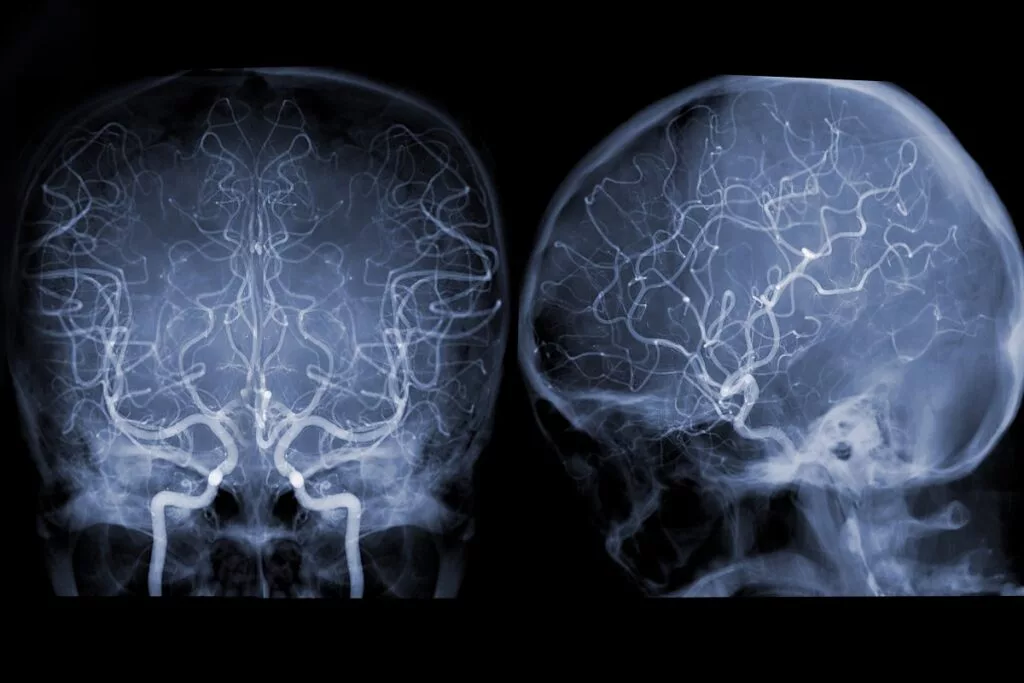
10 Early Signs of Alzheimer’s: A Detailed Guide to Early Detection Home / 10 early signs of Alzheimer’s indicate the onset of a progressive neurological disorder that affects memory, reasoning, and behaviour. It’s the leading cause of dementia worldwide, accounting for 60–70% of cases. Recognising these early signs of Alzheimer’s can make a crucial difference in diagnosis, management, and quality of life. Early detection allows individuals and families to plan, start treatments, and make lifestyle adjustments that may slow the disease’s progression. This guide breaks down each early sign in detail — supported by current data and practical insights. Global Overview: How Common Is Alzheimer’s? Statistic Data (2024) Source Global dementia cases 55 million+ World Health Organization (WHO) Expected global cases by 2050 ~139 million Alzheimer’s Disease International People aged 65+ living with Alzheimer’s in the U.S. 6.9 million Alzheimer’s Association Percentage of dementia cases caused by Alzheimer’s 60–70% WHO, CDC These statistics show why awareness of the early warning signs of Alzheimer’s is more important than ever. The 10 Early Signs of Alzheimer’s Below are the 10 early signs of Alzheimer’s, along with practical examples and how to differentiate them from normal aging. 1. Memory Loss That Disrupts Daily Life Occasional forgetfulness is normal, but frequent memory loss — especially forgetting recently learned information — can signal early Alzheimer’s. Normal Aging Possible Alzheimer’s Sign Forgetting names but remembering later Forgetting names or events entirely Misplacing objects occasionally Repeatedly losing items and being unable to retrace steps Occasionally missing appointments Relying heavily on reminders for daily tasks 2. Difficulty Planning or Solving Problems People may struggle to follow familiar recipes, pay bills, or manage time. They may also find it hard to concentrate or complete multi-step tasks that were once easy. Tip: If simple daily tasks start to feel confusing or overwhelming, it’s a potential early sign of Alzheimer’s. 3. Trouble Completing Familiar Tasks Whether it’s making coffee or driving to a familiar place, routine tasks can suddenly become confusing. Example: A person may start a familiar household chore but forget halfway through what they were doing. 4. Confusion with Time or Place Losing track of dates, seasons, or the passage of time is a common early warning sign of Alzheimer’s disease. Individuals might forget where they are or how they got there. Situation Possible Interpretation Forgetting the date occasionally Normal aging Believing it’s a different year or not recognizing current surroundings Possible Alzheimer’s symptom 5. Trouble Understanding Visual Images and Spatial Relationships Before prevention, it’s important to understand kidney stone reasons — why they form in the first place. Common causes include: Not drinking enough water (dehydration) High salt, protein, or oxalate-rich diet Obesity or lack of physical activity Family history of kidney stone disease Excessive intake of sugary or carbonated drinks Simple lifestyle changes like staying hydrated and eating a balanced diet can significantly lower your risk of developing stones. 6. New Problems with Words in Speaking or Writing People may pause mid-sentence, struggle to find the right words, or call objects by incorrect names.This may seem minor at first but is one of the most consistent early signs of Alzheimer’s disease. 7. Misplacing Things and Losing the Ability to Retrace Steps Placing objects in unusual places (like car keys in the refrigerator) and being unable to find them later is another red flag. Over time, the person may accuse others of stealing. Why this happens: Alzheimer’s affects the hippocampus — the brain region responsible for forming new memories and spatial orientation. 8. Decreased or Poor Judgment Alzheimer’s can cause lapses in decision-making. People may: Give away large sums of money to strangers. Neglect grooming or hygiene. Make risky financial or driving decisions. Poor judgment often goes unnoticed until serious mistakes occur. 9. Withdrawal from Work or Social Activities When cognitive decline begins, individuals might withdraw from social interactions, hobbies, or professional commitments due to embarrassment or confusion. Normal Aging Possible Alzheimer’s Sign Occasionally skipping social events Consistently avoiding social interactions Taking breaks from hobbies Losing interest in activities once enjoyed 9. Withdrawal from Work or Social Activities You can significantly reduce your chances of developing stones by following these tips: Drink at least 2.5–3 liters of water daily. Limit intake of salt and animal protein. Avoid excessive coffee, tea, and sugary drinks. Add fruits and vegetables rich in potassium and fiber. Maintain a healthy body weight and stay physically active. At Numed Hospital, our dietitians work alongside urologists to design customized kidney-friendly meal plans for patients prone to stone formation. 10. Changes in Mood or Personality Mood swings, depression, irritability, or suspicion can appear even before memory loss becomes obvious. These emotional changes are among the subtler early signs of Alzheimer’s. Example: A calm person becoming easily upset or anxious in new environments. Early vs. Later Symptoms of Alzheimer’s Stage Common Symptoms Early (Mild Cognitive Impairment) Memory lapses, language issues, confusion about time/place Middle (Moderate Alzheimer’s) Increased forgetfulness, personality changes, wandering Late (Severe Alzheimer’s) Loss of ability to communicate, dependency on caregivers, severe memory loss Recognizing the 10 early signs of Alzheimer’s helps identify the disease in its first stage, when interventions are most effective. When to See a Doctor If you or a loved one experiences multiple symptoms from this list, it’s time to consult a healthcare professional.A doctor may recommend: Cognitive assessment tests (MMSE, MoCA) Blood tests to rule out vitamin deficiencies or thyroid issues Brain imaging (CT, MRI, or PET scans) Neurological evaluation Alzheimer’s Risk Factors Category Examples Impact Age Over 65 years Risk doubles every 5 years after 65 Genetics Family history, APOE ε4 gene 3x to 10x higher risk Lifestyle Smoking, obesity, inactivity Increases likelihood significantly Medical conditions Hypertension, diabetes, heart disease Strongly linked to cognitive decline Education Low formal education Linked to higher dementia risk Note: Research suggests that up to 40% of dementia cases could be delayed or prevented by addressing modifiable risk factors such as diet, physical activity, and cardiovascular health. Early Intervention and Management While there’s no
5 Warning Signs of Kidney Stones

Warning Signs of Kidney Stones Home / 1. Sharp Pain in the Back, Side, or Lower Abdomen The most common and noticeable kidney stone symptom is sharp pain — often described as one of the worst types of pain a person can experience.This pain, known as renal colic, typically begins in the back or side (just below the ribs) and may radiate toward the lower abdomen or groin. The intensity of pain can fluctuate, coming in waves as the stone moves through the urinary tract. It may also increase after drinking water or physical activity. This pain occurs when a stone obstructs the normal flow of urine, putting pressure on the kidneys. If you experience this kind of discomfort, don’t ignore it — consult the urology specialists at Numed Hospital immediately. Our team uses modern diagnostic tools like ultrasound and CT scans to confirm the stone’s size and location, ensuring accurate and timely treatment. 2. Pain or Burning During Urination One of the lesser-known warning signs of kidney stones is pain or burning while urinating. As the stone moves down the ureter toward the bladder, it can irritate the delicate tissues of the urinary tract.This leads to inflammation and a burning sensation every time you urinate. This symptom can often be confused with a urinary tract infection (UTI) — but when the burning persists for more than a day or two, or comes along with back pain, it’s usually a sign of kidney stone disease. At Numed Hospital, we offer quick diagnostic tests to differentiate between infections and stones, ensuring you get the right kidney stone treatment at the right time. 3. Blood in Urine (Hematuria) Blood in the urine, also called hematuria, is another key symptom. When stones scratch or damage the inner lining of the urinary tract, small amounts of blood may appear in the urine.The color might look pink, red, or brown depending on the level of bleeding. Sometimes, the blood is not visible to the naked eye and can only be detected through a urine test. If you ever notice discolored or cloudy urine, consult a doctor immediately. At Numed Hospital, our urology department conducts advanced urine analysis and imaging tests to detect even the smallest signs of kidney stone disease early. 4. Frequent Urge to Urinate Do you find yourself needing to use the restroom more often than usual? This could be one of the early warning signs of kidney stones.When the stone moves closer to the bladder, it can create irritation or partial blockage, triggering the constant urge to urinate — even if little urine actually comes out. This symptom may worsen at night and is often accompanied by discomfort or pressure in the lower abdomen. Ignoring these signals can lead to worsening of the condition or even kidney infection.Our urologists at Numed Hospital recommend getting a urine analysis and imaging test done immediately if you experience such persistent urges, to rule out kidney stone disease or infection. 5. Nausea, Vomiting, or Fever When a kidney stone causes infection or complete blockage of urine flow, it can lead to nausea, vomiting, chills, or fever. These are signs that the body is responding to inflammation or infection in the urinary system. This condition can quickly become serious, requiring emergency medical care.If you ever feel nauseated or develop a fever along with kidney stone pain, visit Numed Hospital’s 24×7 emergency unit immediately. Our specialists provide quick pain relief, hydration therapy, and infection control — followed by laser or minimally invasive procedures for safe and effective kidney stone treatment. Understanding the Causes of Kidney Stones Before prevention, it’s important to understand kidney stone reasons — why they form in the first place. Common causes include: Not drinking enough water (dehydration) High salt, protein, or oxalate-rich diet Obesity or lack of physical activity Family history of kidney stone disease Excessive intake of sugary or carbonated drinks Simple lifestyle changes like staying hydrated and eating a balanced diet can significantly lower your risk of developing stones. How Kidney Stones Are Diagnosed and Treated at Numed Hospital At Numed Hospital, Greater Noida West, we believe early detection is the key to effective kidney stone treatment. Our urology department uses modern diagnostic tools like: Ultrasound & CT Scans – to detect stones accurately Urine & Blood Tests – to check for infection and kidney function Laser Stone Removal (RIRS, URS) – minimally invasive, quick recovery Medication & Hydration Therapy – for smaller stones that can pass naturally Our kidney stone specialists provide personalized treatment plans based on stone size, location, and severity — ensuring faster recovery and long-term prevention. Preventing Kidney Stone Disease You can significantly reduce your chances of developing stones by following these tips: Drink at least 2.5–3 liters of water daily. Limit intake of salt and animal protein. Avoid excessive coffee, tea, and sugary drinks. Add fruits and vegetables rich in potassium and fiber. Maintain a healthy body weight and stay physically active. At Numed Hospital, our dietitians work alongside urologists to design customized kidney-friendly meal plans for patients prone to stone formation. Why Choose Numed Hospital for Kidney Stone Treatment If you’re searching for trusted, painless, and affordable kidney stone treatment, Numed Hospital is your destination. Here’s why patients prefer Numed: Experienced urologists and nephrology experts Advanced laser & endoscopic procedures for minimal pain 24×7 emergency and diagnostic support Personalized care with post-treatment follow-ups Affordable treatment packages and insurance support Numed Hospital ensures complete comfort, safety, and quick recovery for every patient suffering from kidney stone disease. Conclusion The Warning Signs of Kidney Stones are not something to overlook. Recognizing early symptoms like kidney stone pain, blood in urine, or frequent urination can prevent severe complications and protect your kidney health. At Numed Hospital, our expert urologists and nephrology specialists provide advanced kidney stone treatment using world-class technology and compassionate care. From diagnosis to recovery, our goal is simple — to help you live pain-free and healthy. Don’t ignore the symptoms. Get yourself checked at Numed
When Should You Consider a Knee Replacement Surgery?

When Should You Consider a Knee Replacement Surgery? Home / Knee pain can be more than just an occasional nuisance—it may signal a deeper problem with your joint health. If you’ve been asking yourself “when should I consider knee replacement surgery?”, you’re not alone. In this article, we’ll walk you through the key symptoms, diagnostic milestones, non-surgical options, and the optimal time to explore a knee replacement. We’ll also highlight why Numed Hospital, Greater Noida is an excellent choice if you decide on surgery. Understanding the Need: What Is Knee Replacement Surgery? Knee replacement surgery — also known as knee arthroplasty — involves replacing parts of the damaged knee joint with artificial components made of metal and plastic. When the joint cartilage is severely worn out and bones rub together, pain, stiffness, and mobility issues become prominent. There are two main types of knee replacement surgeries: Total knee replacement: When most or all of the knee joint surface is replaced. Partial knee replacement: Only part of the joint is replaced, often when the damage is isolated. In India today, knee replacement surgery is widely performed, and many hospitals offer advanced options and rehabilitation programs to ensure faster recovery and better outcomes. When Should You Consider a Knee Replacement? Deciding when to undergo knee replacement—not too early and not too late—is important. Here are the key indicators that suggest you should seriously consider it. 1. Persistent severe knee pain affecting daily life If you’re experiencing chronic knee pain even while resting, getting up from a chair, climbing stairs, or walking short distances—and non-surgical methods no longer help—it’s a major red flag. One of the most common reasons for knee replacement is advanced arthritis causing pain and loss of mobility. 2. Significant stiffness, swelling or reduced motion When your knee joint becomes stiff, swollen frequently, or you cannot bend or straighten it fully, it’s a sign of advanced joint damage. The inability to perform basic movements like squatting, standing, or walking comfortably is often a precursor to considering surgery. 3. Failed non-surgical treatments Before surgery, most orthopaedic specialists recommend trying lifestyle changes (weight loss, exercise), medications (anti-inflammatories), physical therapy, braces or injections. If these interventions no longer provide relief, a knee replacement may be the right next step. 4. Impact on your quality of life When knee problems prevent you from doing what you enjoy—walking with your family, travelling, or even handling daily chores—and you find yourself dependent on painkillers or walking aids, exploring surgical options becomes sensible. 5. Radiographic evidence of joint damage X-rays or MRI scans showing significant cartilage loss, bone-on-bone contact, deformities or joint instability are key signs that surgery may be required. When the damage is widespread across the knee, total knee replacement is often the best choice. 6. Age, health and expectations While knee replacement used to be common among older adults, today younger patients are also candidates if their joint condition and activity level justify it. Your overall health, weight, and lifestyle also play a crucial role in determining the right time for surgery. Why Choose Numed Hospital for Your Knee Replacement? At Numed Hospital, Greater Noida, we believe in delivering personalized, advanced orthopaedic care tailored to each patient’s needs. Here’s why choosing us makes a difference: Multispeciality Orthopaedic Team: Our joint replacement specialists are highly trained and experienced in both total and partial knee replacements. State-of-the-Art Infrastructure: We use modern imaging, robotic or computer-assisted techniques, and high-quality implants to ensure precision and durability. Comprehensive Pre- and Post-Operative Care: We begin with detailed diagnostics, risk assessment, and physiotherapy planning. After surgery, our rehabilitation team helps you recover faster and regain mobility. Patient-Centric Experience: From explaining your condition clearly to involving you in every decision, we ensure you feel confident and cared for. Accessible Location & Amenities: Located in Greater Noida, Numed Hospital offers modern facilities, comfortable rooms, and round-the-clock medical care. If you are wondering “when should I consider knee replacement surgery in India?” – the answer is simple: when your symptoms match the signs above and when you choose a trusted healthcare partner like Numed Hospital. What to Expect: The Process at a Glance Pre-surgery evaluation Your orthopaedic surgeon will assess your knee with physical exams and imaging, review your medical history, and discuss expected outcomes. You’ll also receive guidance to optimize your health before surgery, including diet, fitness, and managing conditions like diabetes or hypertension. Surgery & hospital stay A typical knee replacement takes 1–2 hours under general or regional anesthesia. Depending on your condition and the hospital’s protocol, the hospital stay is usually between 2–5 days. At Numed Hospital, our goal is safe, early recovery with minimal pain and early mobilisation. Rehabilitation & recovery Physical therapy begins almost immediately after surgery. Most patients can walk with assistance within a day. Full recovery may take up to 12 months, but you’ll see noticeable improvement within weeks. The key to successful recovery is consistency with physiotherapy and follow-up appointments. Long-term outcomes Modern implants and surgical techniques ensure that around 90% or more knee replacements deliver excellent pain relief and function for over a decade. At Numed Hospital, our long-term follow-up programs help monitor implant performance and maintain your joint health. Final Thoughts If you’re noticing that your knee pain is constant, limits your mobility, and resists all other treatments—it may be time to ask: when should you consider knee replacement surgery? If your answer is now, then connect with Numed Hospital, Greater Noida, where we combine expert surgical care, modern technology, and patient-first values to help you regain mobility and confidence. Don’t let knee pain control your lifestyle. Take the first step today—schedule a consultation at Numed Hospital, discuss your symptoms, and explore whether knee replacement surgery is the right step toward a pain-free future. FAQ’s For Knee Replacement Surgery How do I know if I need knee replacement surgery? If knee pain doesn’t go away with medicines or physiotherapy and limits your daily movement, it’s time to consult an orthopaedic specialist. What is
5 Early Signs of Heart Attack | Numed Hospital

5 Early Signs of a Heart Attack Home / A heart attack doesn’t happen suddenly — your body gives you warning signs days or even weeks before the actual event. Recognizing these signs early can save your life or that of someone you love. In this blog, we’ll discuss the five early warning signs of a heart attack and why it’s crucial to seek expert care from the best cardiology hospital in Delhi NCR – Numed Super Specialty Hospital, Greater Noida. Understanding a Heart Attack A heart attack, or myocardial infarction, occurs when blood flow to the heart muscle is blocked due to plaque buildup or a blood clot. Without immediate treatment, parts of the heart begin to die from lack of oxygen.Heart attacks are one of the leading causes of death in India, especially among people with high blood pressure, diabetes, obesity, or high cholesterol. However, early detection and treatment can greatly reduce the damage and improve recovery. 1. Chest Pain or Discomfort The most common symptom of a heart attack is chest discomfort — often described as tightness, heaviness, pressure, or squeezing in the center or left side of the chest.This feeling might last for several minutes or come and go. Many people mistake it for acidity or indigestion, but ignoring this sign can be life-threatening.If you experience persistent chest pain, don’t delay — rush to a nearby cardiology hospital in Noida like Numed Super Specialty Hospital for immediate evaluation. 2. Pain in Arms, Back, Neck, or Jaw A heart attack doesn’t always cause pain just in the chest. You might also feel discomfort spreading to your shoulders, arms, neck, jaw, or even your back.This happens because the pain signals from the heart travel through nearby nerves. If you notice such unexplained pain — especially after physical activity or emotional stress — it’s important to get a heart checkup immediately. 3. Shortness of Breath and Fatigue Another key sign of a heart problem is shortness of breath, even with mild exertion or at rest. You may feel like you can’t catch your breath, especially when lying down.Sometimes, this symptom appears without chest pain, making it easier to miss.Along with it, unusual fatigue or weakness — feeling tired even after light work — can be an early sign of an upcoming heart attack, particularly in women. 4. Cold Sweat, Dizziness, or Nausea Breaking out into a cold sweat, feeling light-headed, or experiencing nausea without an apparent reason could also signal a heart attack.These symptoms occur because your heart struggles to pump blood effectively, reducing oxygen flow to the brain and body.Many people confuse these warning signs with anxiety, dehydration, or food poisoning — but if they persist, it’s time to consult a heart specialist in Delhi NCR.Another key sign of a heart problem is shortness of breath, even with mild exertion or at rest. You may feel like you can’t catch your breath, especially when lying down.Sometimes, this symptom appears without chest pain, making it easier to miss.Along with it, unusual fatigue or weakness — feeling tired even after light work — can be an early sign of an upcoming heart attack, particularly in women. 5. Irregular Heartbeat or Anxiety Sometimes, people experience a fast, irregular, or pounding heartbeat before a heart attack.You may feel as if your heart is skipping beats or fluttering. This irregular rhythm (arrhythmia) can cause anxiety, weakness, and breathlessness.Ignoring these symptoms can lead to severe complications. Visit Numed Super Specialty Hospital, Greater Noida for a detailed heart health checkup and expert consultation. Act Fast – Every Second Counts A heart attack is a medical emergency. If you or someone around you shows these symptoms: Call for emergency medical help immediately. Don’t wait for the pain to subside or self-medicate. Sit or lie down comfortably and remain calm until help arrives. The sooner you receive treatment, the greater the chances of survival and recovery. Hospitals like Numed Super Specialty Hospital have 24×7 emergency and cardiology services to handle heart attack cases quickly and effectively. Why Choose Numed Super Specialty Hospital for Heart Care At Numed Super Specialty Hospital, Greater Noida, we believe prevention and timely treatment are key to saving lives. Our Department of Cardiology is equipped with advanced technology, modern diagnostic tools, and a team of highly experienced cardiologists. Here’s why Numed is trusted for cardiac care in Delhi NCR: 24×7 Cardiac Emergency Support Advanced Cardiac ICU (CCU) for critical care State-of-the-art Diagnostic Facilities (ECG, 2D Echo, TMT, Holter Monitoring, etc.) Expert Cardiologists and Cardiac Surgeons Comprehensive Heart Health Packages for early detection and prevention Whether it’s an emergency, preventive screening, or post-surgery rehabilitation, Numed Hospital provides end-to-end care with compassion and precision. Protect Your Heart with Regular Checkups Your heart health deserves constant care. Lifestyle factors such as unhealthy eating, lack of exercise, smoking, and stress contribute to heart diseases.Simple steps like regular exercise, a balanced diet, maintaining healthy blood pressure, and getting routine heart checkups can significantly reduce your risk. If you’re over 35 or have a family history of heart disease, visit Numed Super Specialty Hospital for a complete Heart Health Checkup today. Conclusion Heart attacks can often be prevented — or managed better — if you act early. Recognize these 5 early warning signs of a heart attack, listen to your body, and seek timely medical help.At Numed Super Specialty Hospital, Greater Noida, our goal is to protect your heart with world-class care, advanced treatments, and compassionate attention — because every heartbeat matters.
Comprehensive Care Plan for Hypertension: Steps to Manage High Blood Pressure Effectively

Comprehensive Care Plan for Hypertension: Steps to Manage High Blood Pressure Effectively Home / A well-structured care plan for hypertension is the most effective way to control high blood pressure and prevent long-term health risks. In India, where changing lifestyles, stress, and dietary habits are increasing cases of hypertension, it has become essential for individuals to follow a practical plan for monitoring and managing this condition. Hypertension is often called the “silent killer” because it usually shows no symptoms until it causes serious damage. The right care plan ensures that patients not only keep their blood pressure in check but also protect their heart, kidneys, and overall health. Understanding Hypertension Before creating a care plan for hypertension, it is important to know what the condition means. Normal blood pressure: Below 120/80 mmHg Elevated blood pressure: 120–129/<80 mmHg Hypertension Stage 1: 130–139/80–89 mmHg Hypertension Stage 2: ≥140/90 mmHg Uncontrolled hypertension puts extra strain on the heart and blood vessels, increasing the chances of stroke, heart disease, kidney failure, and other complications. Why a Care Plan for Hypertension is Important? Unlike other conditions that may be cured with a short treatment, hypertension requires long-term management. A personalized care plan for hypertension helps individuals: Keep blood pressure within a safe range Reduce risks of stroke, heart attack, and kidney damage Maintain a structured, heart-healthy lifestyle Stay consistent with medication and lifestyle goals Step 1: Medical Evaluation and Monitoring Every effective care plan for hypertension begins with proper diagnosis and regular medical monitoring. Initial assessment: Blood pressure monitoring, blood tests, ECG, and sometimes echocardiography. Identifying causes: Conditions like kidney disease or hormonal imbalance can contribute. Self-monitoring at home: Using a reliable blood pressure monitor ensures patients stay aware of their condition. In India, many people wait until symptoms get worse. But a strong care plan emphasizes early and consistent check-ups. Step 2: Lifestyle Modifications Lifestyle changes form the foundation of any care plan for hypertension. These small but steady steps can make a huge difference. 1. Dietary Changes Cut back on salt: Pickles, papads, fried snacks, and packaged foods raise sodium levels. Adopt the DASH diet: More fruits, vegetables, whole grains, and low-fat dairy. Choose fresh over processed: Home-cooked meals are always better than fast food. Stay hydrated: Water and fresh juices are better than sugary or caffeinated drinks. 2. Weight Management Even a small reduction in weight can lower blood pressure significantly. 3. Physical Activity Walking, yoga, cycling, or 30 minutes of exercise daily can lower hypertension risk. 4. Stress Reduction Meditation, pranayama, or spending time with family helps lower stress, which is an important part of the care plan. Step 3: Medication as Prescribed Sometimes lifestyle changes alone are not enough. Doctors may prescribe medicines like: Diuretics ACE inhibitors Beta-blockers Calcium channel blockers A care plan for hypertension always includes strict adherence to prescribed medicines. Skipping doses or stopping treatment suddenly can be dangerous. Step 4: Avoiding Tobacco and Alcohol Tobacco and alcohol both raise blood pressure and damage blood vessels. A good care plan for hypertension encourages patients to completely avoid or strictly limit these substances. Step 5: Patient Education and Family Support In India, family plays a key role in daily meals and lifestyle choices. A successful care plan for hypertension involves educating both the patient and family members about: The importance of regular follow-ups How to check blood pressure at home Early warning signs like chest pain, breathlessness, or dizziness Step 6: Special Considerations for Indian Lifestyle India’s diverse culture and food habits influence hypertension management. A practical care plan respects traditions but makes healthier modifications: Food habits: Pickles, fried snacks, sweets, and heavy curries are common across the country. Replacing them with steamed, grilled, or baked alternatives helps. Festivals: Diwali, Eid, Onam, Durga Puja, and weddings often involve indulgent meals. The care plan encourages portion control and balance instead of strict restrictions. Sedentary lifestyle: Long office hours or business routines reduce physical activity. Short walks and yoga breaks during the day can help. Family meals: Cooking with less oil and salt benefits the whole household, not just the patient. Step 7: Long-Term Monitoring and Adjustment Hypertension care is lifelong. A strong care plan for hypertension evolves with the patient’s age, lifestyle, and health condition. Doctor visits every 3–6 months Annual heart, kidney, and cholesterol checks Adjusting medicines if lifestyle changes bring improvement Preventing Complications with a Care Plan Uncontrolled hypertension can lead to: Stroke Heart attack Kidney disease Eye problems By following a care plan for hypertension, patients can significantly reduce these risks and live a healthier life. Daily Routine Example for a Care Plan for Hypertension Here’s a simple routine many people can follow: Morning: 20–30 minutes of yoga or walking + light, low-salt breakfast (oats, poha, fruit). Midday: Balanced lunch with whole grains, dal, sabzi, and curd. Afternoon: 10 minutes of meditation or deep breathing. Evening: Light exercise or a walk + green tea instead of fried snacks. Dinner: Early, light dinner like soup, salad, or khichdi. Before bed: Reading or meditation instead of mobile scrolling. The Role of Hospitals in Hypertension Management While lifestyle changes at home are vital, hospitals play a big role in a comprehensive care plan for hypertension. They provide: Expert cardiologists and specialists Advanced diagnostic facilities Personalized diet and exercise guidance Support in managing hypertension-related complications NUmed Super Speciality Hospital: Your Partner in Hypertension Care For patients in Greater Noida, Noida, and nearby areas, NUmed Super Speciality Hospital offers complete support for hypertension management. Our experienced cardiologists, dietitians, and lifestyle experts work together to design a personalized care plan for hypertension that covers everything from diagnosis to daily lifestyle counseling. At NUmed, we believe hypertension management is not only about controlling numbers but also about empowering patients to live healthier, happier lives.
Inside the Comprehensive orthopedic care in Greater Noida: What to Expect During Your Visit

Inside the Comprehensive orthopedic care in Greater Noida: What to Expect During Your Visit Home / Visiting a hospital for bone or joint concerns can often feel overwhelming. Questions like “Will the doctor understand my pain?” or “Is this the right place for my treatment?” are common. The experience can be filled with uncertainty—but much of that anxiety fades when you choose the Comprehensive orthopedic care in Greater Noida Here’s a closer look at what patients can expect during their visit to a leading orthopedic center—and why the right environment, expertise, and care approach can make all the difference. A Warm Welcome—Not What You Expect from a Hospital You might expect clinical corridors and robotic check-ins, but the best ones make you feel comfortable the moment you walk in. From the security guard to the reception staff, everyone acknowledges your presence—not just as a patient, but as a person. There’s a quiet reassurance in the way things move—organized yet warm. Consultation That Goes Beyond “Tell Me Where It Hurts” Good orthopedic care is not just about X-rays and MRIs. It’s about listening. A great orthopedic specialist won’t just glance at your scan reports; they’ll ask about your lifestyle, daily routine, when the pain gets worse, and what you’ve tried so far. This conversation often feels more like you’re talking to someone who genuinely wants to help, not rush you through an appointment. That’s what separates a standard hospital from the best orthopedic hospital in Greater Noida—the attention to detail, empathy, and a clear focus on long-term recovery. Cutting-Edge Facilities that Inspire Confidence Whether you’re coming in for a knee consultation, a shoulder injury, or back pain that just won’t go away, it’s comforting to know that everything—right from diagnostics to rehab—is under one roof. In a well-equipped orthopedic hospital, you won’t be sent outside for every test. You’ll find digital X-rays, advanced physiotherapy setups, and even robotic-assisted surgery in some cases. The convenience isn’t just about technology—it’s about reducing your stress, your waiting time, and your back-and-forths. Your Recovery Is a Partnership Perhaps one of the most overlooked things during a hospital visit is what happens after you leave. Great hospitals don’t let you go with a prescription and silence. They keep in touch, follow up, and ensure that your recovery plan is something you’re supported in—be it through physiotherapy, lifestyle changes, or even emotional reassurance. So, Where Should You Go? If you’re looking for Comprehensive orthopedic care in Greater Noida, one name that consistently comes up—for all the right reasons—is Numed Super Speciality Hospital. What makes Numed different isn’t just the medical infrastructure or renowned orthopedic surgeons. It’s the way the team combines empathy with excellence. Whether it’s joint replacement surgery, sports injury care, spine issues, or trauma management, Numed ensures each patient receives personalized, evidence-based care with a human touch. From consultation to recovery, every step at Numed feels less like a hospital visit and more like a step towards getting your life back—stronger and pain-free. Our Orthopedic Experts NuMed Super Specialty Hospital is proud to feature a team of highly skilled and experienced orthopedic experts. They are dedicated to providing innovative and revolutionary clinical procedures, ensuring the best possible outcomes for our patients. Dr. Akhilesh Yadav Orthopaedics MBBS, MS,Mch (Exp: 18 Years) Dr. Himanshu Gupta Orthopaedics MBBS, MS, Mch (Exp: 18+ Years) Dr. Abhishek Rao Orthopaedics MBBS, MS, DNB, MNAMS What Patients Speaks
Advanced Orthopedic Care at NUmed: Regaining Mobility with Confidence
BEST ORTHOPEDIC CARE IN DELHI NCR Home / Mobility is something we often take for granted—until it’s taken away. Whether it’s due to injury, aging, or a chronic condition, impaired movement can have a significant impact on daily life. At NUmed Hospital in Greater Noida West, we understand how important it is to help our patients regain their freedom to move. Our department of advanced orthopedic care is built to deliver comprehensive, patient-centric treatment backed by cutting-edge technology, expert specialists, and a commitment to excellence. Understanding the Need for Advanced Orthopedic Care Orthopedic issues are more common than ever, affecting people of all age groups. From sports injuries and trauma to joint pain and degenerative conditions like arthritis, the demand for advanced orthopedic care continues to grow. These conditions not only cause physical discomfort but also affect emotional well-being and independence. NUmed Hospital’s Orthopedic Department is designed to provide holistic solutions—addressing pain, improving functionality, and restoring mobility. Whether it’s a child with a congenital deformity or an elderly person suffering from osteoarthritis, we ensure every patient receives tailored care. What Sets NUmed Apart in Advanced Orthopedic Care At NUmed Hospital, advanced orthopedic care is more than just surgery or rehabilitation—it’s a complete ecosystem of services that put the patient first. Here’s what makes NUmed a leader in orthopedic excellence: 1. Expert Orthopedic Surgeons Our team of highly experienced and fellowship-trained orthopedic surgeons specializes in managing complex cases with accuracy and compassion. From trauma care to robotic-assisted joint replacement, our experts are at the forefront of advanced orthopedic care. 2. State-of-the-Art Infrastructure NUmed Hospital is equipped with modular operation theatres, advanced imaging systems like MRI and CT scans, and high-precision surgical instruments. This modern infrastructure allows us to offer minimally invasive procedures that reduce recovery time and increase surgical success rates. 3. Comprehensive Diagnostics Proper diagnosis is the foundation of effective treatment. NUmed offers in-house radiology, pathology, and diagnostic labs, ensuring quick and accurate assessments that support every stage of advanced orthopedic care. 4. Robotic and Minimally Invasive Surgery One of the hallmarks of our orthopedic services is our expertise in robotic and minimally invasive surgical techniques. These procedures result in smaller incisions, less pain, quicker healing, and fewer complications. Patients looking for advanced orthopedic care often seek these procedures for their effectiveness and shorter hospital stays. Range of Orthopedic Services Offered NUmed Hospital’s advanced orthopedic care covers a wide range of conditions and procedures. Some of the key services include: Joint Replacement Surgery Our Total Knee Replacement (TKR) and Total Hip Replacement (THR) procedures are performed using cutting-edge technology and guided imaging. These surgeries are ideal for patients suffering from severe arthritis or joint degeneration. Sports Injury Management NUmed offers dedicated sports injury treatment that includes arthroscopic surgeries, ligament repair, and rehabilitation. Whether you’re a professional athlete or a weekend jogger, we provide expert advanced orthopedic care to get you back in the game. Pediatric Orthopedics Children with congenital disorders, scoliosis, or developmental issues receive specialized care at NUmed. Our pediatric orthopedic specialists understand the unique needs of growing bodies and tailor their approach accordingly. Trauma and Fracture Care In cases of accidents or injuries, our emergency orthopedic team provides immediate treatment, including surgical and non-surgical options for fractures, dislocations, and soft tissue injuries. Spine Surgery Back and neck pain caused by herniated discs, scoliosis, or spinal injuries are treated through modern spine surgeries at NUmed. Our specialists use techniques such as spinal fusion and disc replacement, ensuring safe and successful outcomes. Physiotherapy and Rehabilitation No advanced orthopedic care plan is complete without rehabilitation. NUmed’s in-house physiotherapy team works closely with surgeons and patients to ensure a smooth recovery. Personalized exercise programs help restore strength, mobility, and confidence. Patient-Centric Approach at Every Step What sets NUmed apart is its unwavering commitment to patient well-being. From the moment you step in, our team ensures you are informed, comfortable, and supported. Each patient receives a treatment plan customized to their needs and lifestyle. Our counselors and staff work closely with families to ensure clear communication and compassionate care. Patients undergoing advanced orthopedic care at NUmed have access to nutritionists, psychologists, and physical therapists as part of their recovery team. This holistic approach improves outcomes and ensures a higher quality of life post-treatment. Why People Trust NUmed for Advanced Orthopedic Care Successful Outcomes: High success rates in complex surgeries like joint replacement and spine procedures. Experienced Team: Surgeons with decades of experience and multiple fellowships. Modern Facilities: World-class operation theatres and recovery units. Affordable Excellence: NUmed provides top-notch advanced orthopedic care at competitive rates, making quality healthcare accessible. Location Advantage: Situated in the heart of Greater Noida West, it is easily accessible for residents across Delhi NCR. Recovery and Beyond At NUmed, recovery is not just about healing wounds but restoring lives. Our post-operative care includes: Follow-up consultations Home exercise plans Pain management Lifestyle modification counseling We aim to empower our patients so they can return to their normal lives with confidence, free from pain and limitations. Final Thoughts Mobility is essential to living a fulfilling life, and NUmed Hospital is dedicated to helping you regain it through expert advanced orthopedic care. Whether you’re dealing with chronic joint pain, recovering from a sports injury, or planning a major surgery like joint replacement, our team of specialists is here to support you every step of the way. NUmed combines medical excellence with compassionate care, ensuring that every patient receives the attention, technology, and treatment they deserve. We believe that everyone deserves to move freely, live pain-free, and enjoy life to its fullest.
